
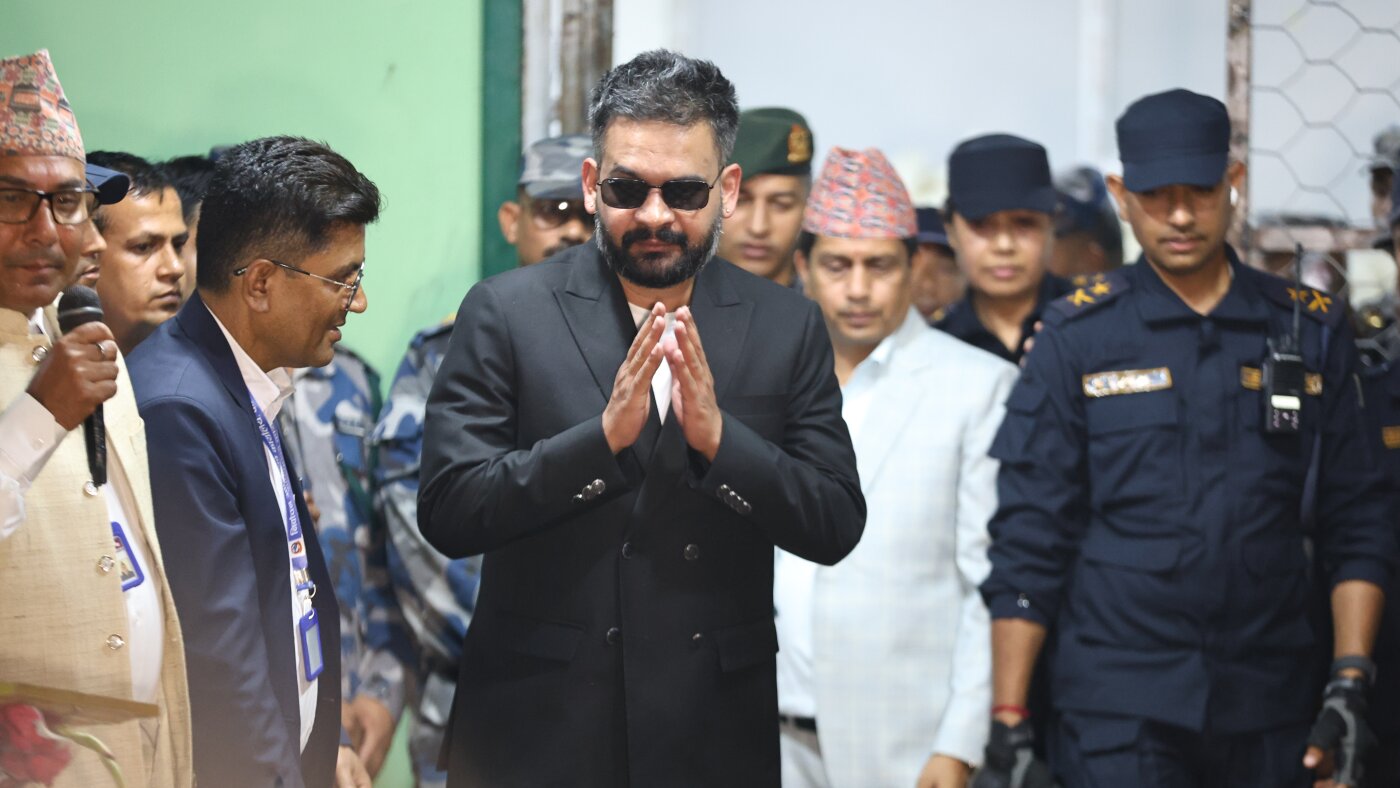
KATHMANDU, Nepal — A political party led by a former rapper is on track for a significant victory in Nepal’s first parliamentary elections since the protests that swept away long-standing leaders. The Rastriya Swatantra Party (RSP), formed just four years ago, has already secured 103 out of 165 directly elected seats, with leads in 21 more.
The other parties, along with independent candidates, have gathered just 27 seats so far. Vote counting is still ongoing, and final results will be out later this week.
The RSP’s candidate for prime minister is Balendra Shah, a rapper who won the Kathmandu mayoral race in 2022. He became prominent during the 2025 protests that ended the rule of former Prime Minister Khadga Prasad Oli.
In Nepal, citizens directly choose 165 members for the House of Representatives, the smaller chamber of Parliament. The remaining 110 seats are filled through a proportional representation system. Reports indicate that the RSP also leads in securing over 51% of these 110 seats.
This election marks a pivotal shift, as the RSP has dethroned the two dominant parties: Nepali Congress and the Communist Party of Nepal (Unified Marxist–Leninist), both of which have alternated power for decades.
Local media have hailed the RSP’s achievements. The Himalayan Times reported, “RSP set for a landslide victory,” while Annapurna Post noted a “shift in political paradigm.” Celebrations among RSP supporters have included flower garlands and traditional red vermilion powder. However, due to the tragic loss of life during last year’s protests, party officials have urged a more subdued approach to celebrations.
Voters in Nepal receive two ballot papers: one for their preferred candidate, typically a party nominee, and the other for their chosen party. RSP’s strong performance shows it can secure the necessary support to form a government, with more than half the votes in its favor.
The protests that preceded these elections were sparked by issues like corruption and poor governance. A ban on social media escalated public anger, leading to clashes with police that resulted in numerous injuries and fatalities.
Recent surveys indicate that discontent with the previous leadership has been pervasive among the youth, many of whom played pivotal roles in the protests. Social media trends also show a surge in support for RSP, reflecting a generational shift and desire for change.
This election is more than just numbers; it’s a reflection of Nepal’s evolving political landscape and a hopeful step towards addressing the needs of its citizens. For more insights into the issue of political reform in Nepal, check out reports from the International Crisis Group, which explores the ongoing challenges facing the nation.
