
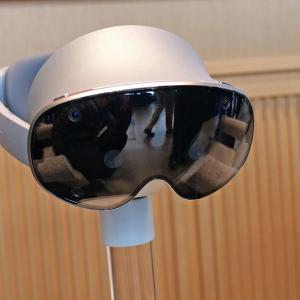
Apple’s Vision Pro aimed to set a new standard in headset technology. Yet, its hefty price and limited practical use have made it a major disappointment. Now, Samsung is stepping up with the Galaxy XR, designed to improve on some of Vision Pro’s shortcomings. This headset is built in collaboration with Qualcomm and Google, promising a fresh perspective on mixed reality.
The Galaxy XR is priced at $1,800—about half of the Vision Pro’s cost. While both headsets share similarities like hand and eye tracking, they differ significantly. Unlike Apple’s proprietary OS, the Galaxy XR runs on Google’s new Android XR platform. This system emphasizes AI features and voice controls, allowing it to work seamlessly with more third-party apps and devices.
In terms of design, the Galaxy XR is similar to the Vision Pro with its large visor and numerous external sensors. Notably, it lacks an outward display, which some may find a relief. Samsung’s version is also lighter, weighing just 545 grams. This makes it more comfortable for extended use, especially with its padded headband. A simple strap lets you easily adjust the fit, unlike the Vision Pro, which can feel heavier and less user-friendly.
Looking at the specifications, the Galaxy XR is powered by Qualcomm’s Snapdragon XR2+ Gen 2 chip, featuring dual micro OLED displays that deliver 4K resolution to each eye at up to 90Hz. While it doesn’t reach Vision Pro’s 120Hz, many users find the image quality exceptional, even better than Apple’s offering.
Battery life is decent, lasting around two hours under normal use and up to two and a half hours for video streaming. Plus, you can recharge it while using the headset. Another notable feature is the iris recognition for quick login, skipping the need for a password.
Exploring Android XR
Switching to the software, Android XR offers a mostly familiar experience for users acquainted with Android devices. You can easily navigate using gestures, like pinching to select apps. There’s also access to both XR-specific applications and a wide range of standard Android apps, greatly enhancing its versatility.
For example, the Google Photos app allows you to experience your pictures in a more dynamic way, turning flat images into immersive views. Google Maps enables users to zoom in on locations and explore inside businesses virtually. This feature might not have everyday applications, but it showcases the potential of mixed reality.
Voice commands using Google’s Gemini AI add another layer of ease to navigation. Unlike smartphones, you can just talk without repeatedly saying a wake word. This makes interactions feel more natural, allowing for quick adjustments and simple commands.
Additionally, the Galaxy XR supports a variety of Android games and can connect to PCs for broader gaming experiences. Samsung plans to introduce optional wireless controllers, but other Bluetooth devices will also work.
What’s Next?
As for the future, Samsung and Google are preparing to introduce new features like personalized avatars for video calls, utilizing advanced sensors for lifelike expressions. This reveals just a hint of what the Galaxy XR is capable of.
While the Galaxy XR is not just a cheaper alternative to the Vision Pro, it genuinely stands out with a better price-point and impressive technology. There’s a mix of skepticism surrounding the headset market, especially with smart glasses gaining traction. Still, the Galaxy XR presents a significant leap in mixed reality and is a fascinating addition to the tech landscape.
Available for $1,800, the Galaxy XR includes the “Explorer Pack,” featuring subscriptions to various services like YouTube Premium and Google Play Pass, adding to its overall value. The future of mixed reality seems bright, and Samsung is positioning itself strategically in this evolving market.
Source link
Vision, Samsung, Google, Galaxy XR, the Galaxy, Sam Rutherford, Android XR, mixed reality
