
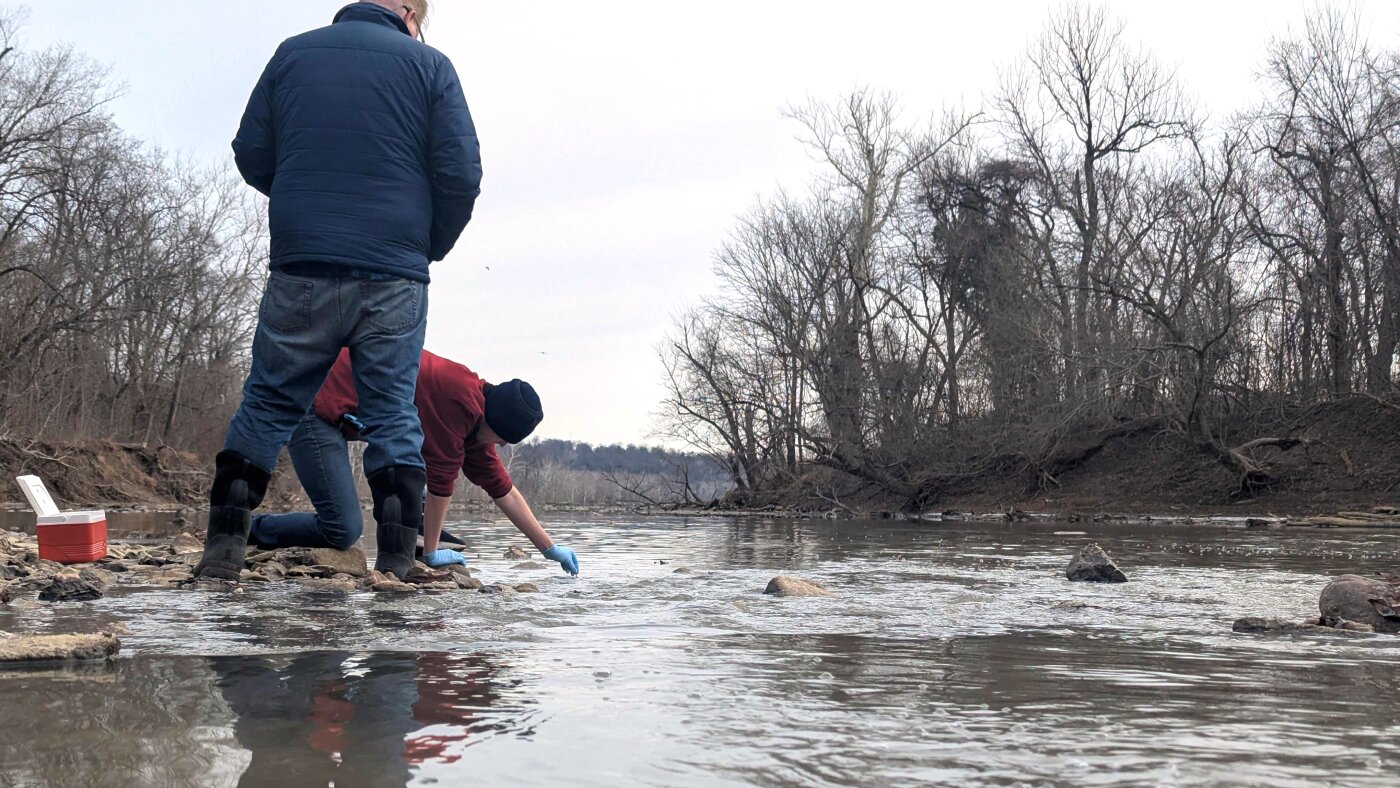
In January, a sewer line in Maryland collapsed, causing over 200 million gallons of raw sewage to spill into the Potomac River. This incident is one of the largest sewage spills in U.S. history and raises serious concerns about water quality in the region.
Since the collapse, DC Water has started work to divert wastewater and repair the damaged pipe. Thankfully, the drinking water supply has not been contaminated. However, experts warn that the environmental impact could be significant. Gary Belan, from American Rivers, highlighted the dangers of raw sewage, which contains harmful substances like pharmaceuticals and chemicals. These can harm aquatic life and disrupt local ecosystems.
The accident shines a light on the wider issue of aging sewer systems across the U.S. Many cities struggle with outdated infrastructure that can’t handle heavy rainfall, particularly as storms become more intense due to climate change. Gussie Maguire from the Chesapeake Bay Foundation points out that as temperatures rise, extreme weather events will likely worsen, increasing the risk of such spills.
While the exact cause of the sewer line collapse remains unclear, aging infrastructure was noted as a contributing factor. DC Water has been aware of the pipe’s corrosion for years and had plans for repairs.
The severity of this incident has raised alarms among community leaders and environmentalists. Mike Gerel from the Chesapeake Bay Foundation warns that this spill could lead to algae blooms, which are harmful to fish and could affect recreational users of the river. Dean Naujoks, a riverkeeper, also points to the psychological impact on residents and their faith in the safety of the river. “How do we reassure people the river is safe again?” he asks.
As a reaction, D.C. Mayor Muriel Bowser has requested federal disaster aid, emphasizing the need for financial support to address this complex problem. Meanwhile, discussions are ongoing about improving water infrastructure nationwide, which industry leaders like David Gadis of DC Water stress is critical for both public health and environmental safety.
Investing in infrastructure may not be glamorous, but experts agree it’s essential for safeguarding our water supplies and preventing future crises. The Potomac spill is a reminder that diligent maintenance and proactive reforms are key to protecting our natural resources for generations to come.
Source link
