
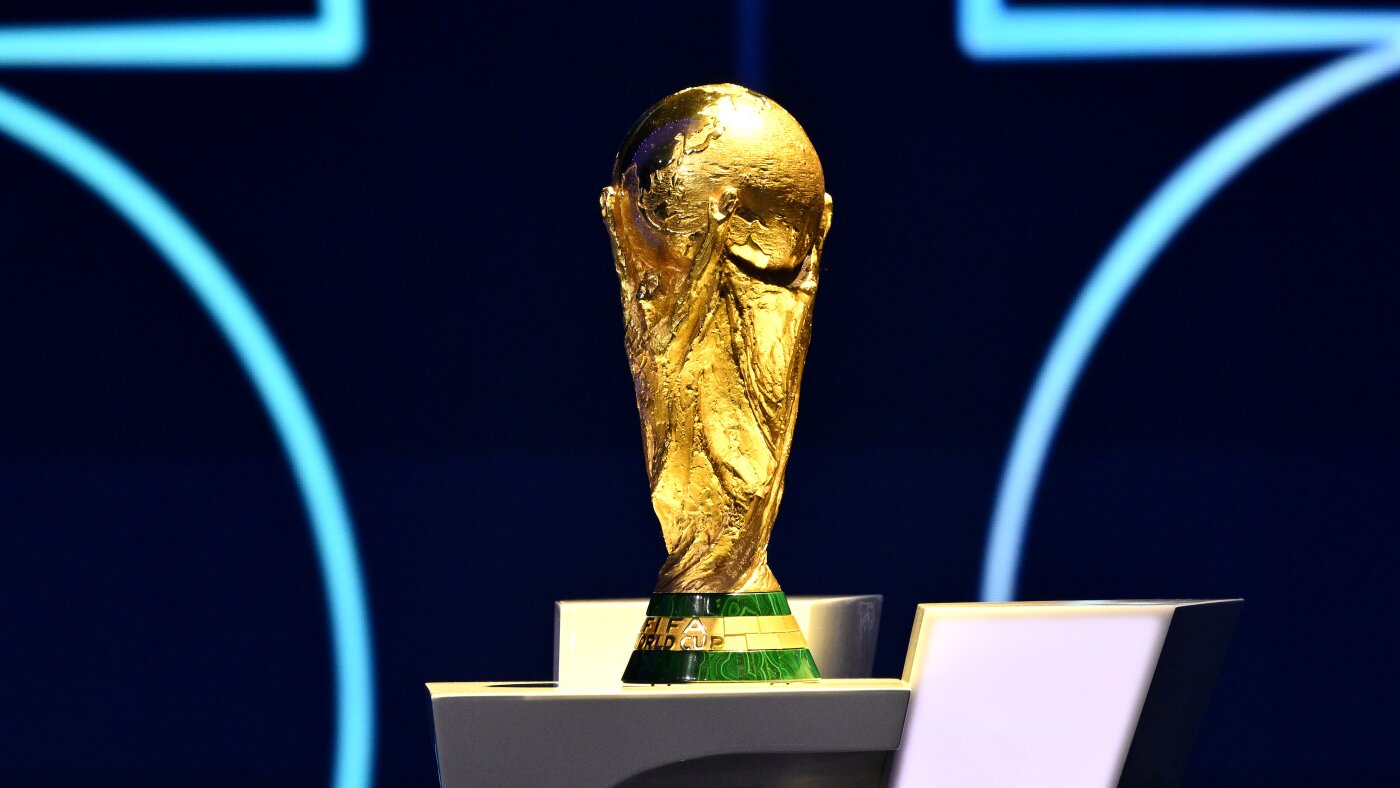
FIFA is raising ticket prices for the upcoming World Cup, set for June and July in the U.S., Canada, and Mexico. Recently, a review of ticket prices showed that 40 out of 104 games now cost more than in the previous sales round. This has sparked reactions from fans and lawmakers alike.
One of the biggest changes is in the price of “Category 1” tickets for the final. They’re now priced at an astonishing $10,990, a significant leap from $8,700 in the last sales phase and $6,370 when sales first started last year (source: FIFA Stadium Map). The increase comes despite FIFA facing backlash for high prices and its new dynamic pricing policy. A European consumer group labeled the costs as “exorbitant,” even filing a formal complaint to the European Commission in hopes of prompting lower prices.
The reaction from lawmakers in the U.S. has been equally forceful. They accused FIFA of “price gouging,” undermining the very fans that make the World Cup the beloved event it is today. FIFA maintains that the ticket prices reflect strong demand and assert that most of the revenue is reinvested into global soccer initiatives.
Interestingly, the ticket price hikes largely affected teams with massive followings, such as Brazil, Argentina, and England, as well as co-host Mexico. Many price increases were under $100, but some, like the tickets for Mexico’s opening game against Saudi Arabia, soared from $1,825 to $2,985—an almost 64% jump.
Recent statistics show that fan engagement with World Cup ticket prices is a growing concern. According to a 2022 survey by the sports analytics firm, Statista, nearly 70% of fans expressed dissatisfaction with high ticket prices for major events.
FIFA has not publicly responded to all these criticisms, but they argue that adapting prices to the North American market reflects economic trends and consumer willingness to pay. As the tournament approaches, they plan to release more tickets periodically, aiming to accommodate demand.
As ticket sales continue, it’s essential for fans to remain vigilant about the prices and voice their concerns through appropriate channels. This could ultimately influence how FIFA approaches pricing in future tournaments.
