
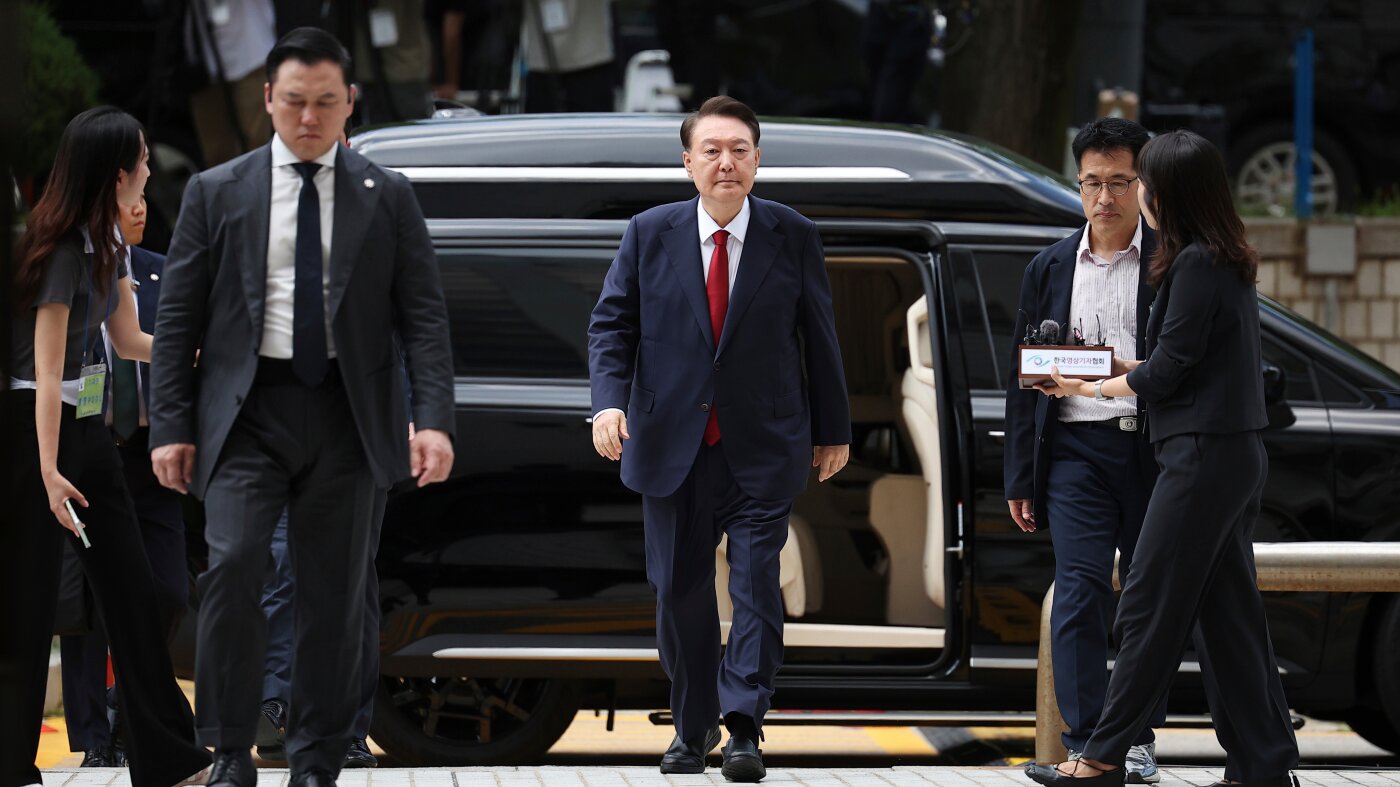
SEOUL, South Korea (AP) — Former President Yoon Suk Yeol has been sentenced to life in prison. This follows his imposition of martial law in December 2024, which was deemed illegal.
Judge Jee Kui-youn found Yoon guilty of rebellion. He had mobilized military and police forces in a failed attempt to seize control of the National Assembly, arrest political opponents, and establish unchecked power. This effort lasted only six hours before it was lifted.
Yoon is expected to appeal the verdict. While prosecutors sought the death penalty, many analysts anticipated a lesser punishment, arguing that no one died during his poorly planned power grab. South Korea hasn’t executed anyone since 1997, creating a significant shift in its approach to capital punishment.
Yoon’s court arrival was marked by heavy police presence and conflicting protests outside, with some supporters rallying for him while others called for harsher punishment. Besides Yoon, several former military and police officials were also convicted. Ex-Defense Minister Kim Yong Hyun received a 30-year sentence for his role in the martial law.
Yoon has maintained that the decree aimed to curb what he described as “anti-state” actions from the liberal majority in the Assembly. However, his mandate ended swiftly as lawmakers managed to break through military barriers and unanimously voted to rescind the martial law.
His presidency effectively ended when he was impeached by lawmakers in December 2024, followed by formal removal in April 2025. He has been in custody since last July, facing various criminal charges. Recently, he was also sentenced to five years for resisting arrest and for the deception surrounding the martial law declaration.
As political tensions rise in South Korea, many wonder how this verdict could affect future governance. The case highlights ongoing debates about democracy and leadership in the nation. Experts suggest that these events may challenge how future leaders approach authority and public dissent in South Korea.
For more information on South Korea’s legal history related to capital punishment, you can check a report by Amnesty International.
