
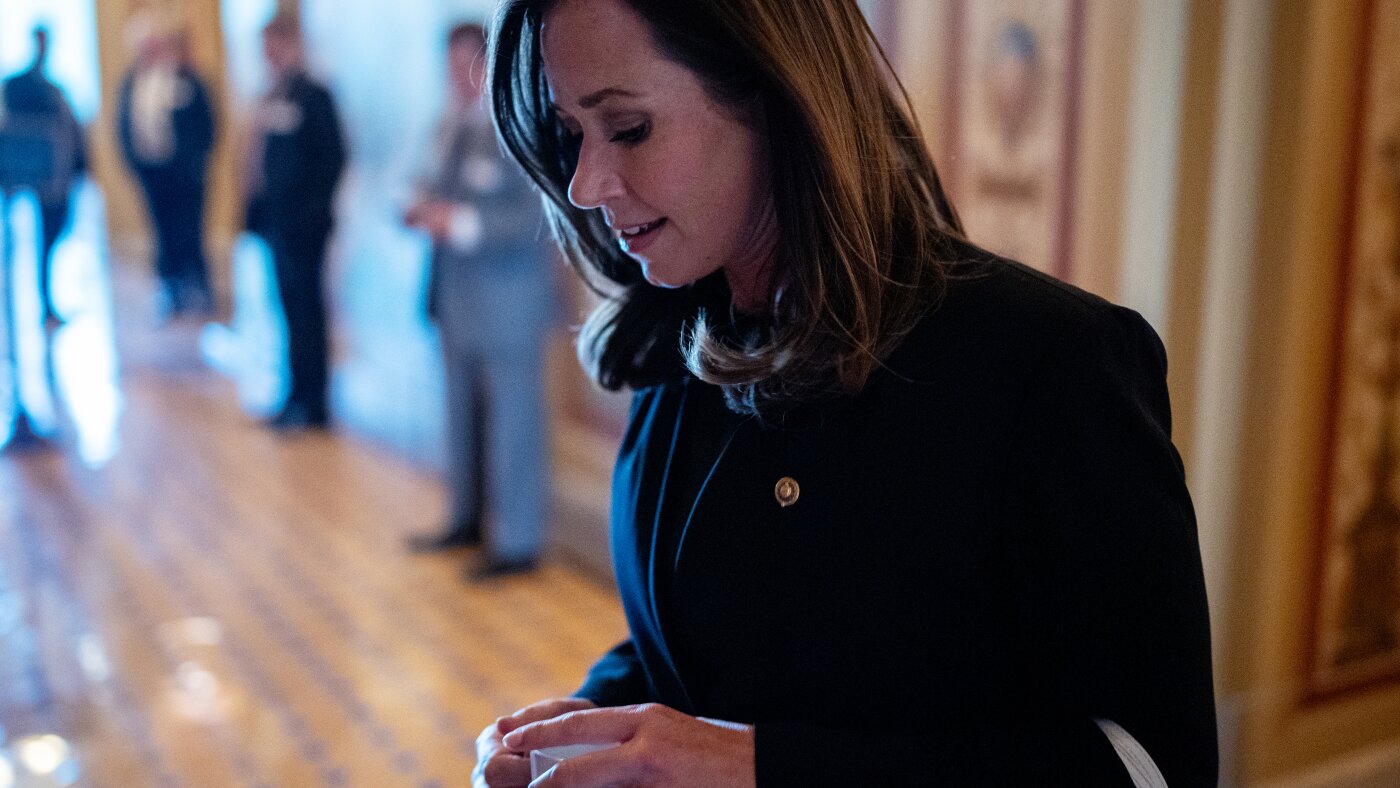
Senator Katie Britt from Alabama faced a challenging political moment two years ago when she gave the Republican response to the president’s State of the Union address. Broadcast from her kitchen, her speech introduced her to a national audience, with many critics labeling her as over-the-top. The phrase “the American dream has turned into a nightmare for so many families” stood out in her speech, emphasizing her party’s concerns during a tough political climate. Despite mixed reactions, including some Republican colleagues describing her performance as “bizarre,” Britt’s narrative has evolved.
Today, she is known as a bipartisan dealmaker. In the aftermath of tragic shootings in Minneapolis, she is actively negotiating changes in immigration policy as the Department of Homeland Security has faced funding hold-ups from Democrats. This creates a focal point amidst the current political polarization, testing not just her negotiation skills but also her willingness to tackle complex issues.
Veteran political observers see Britt’s potential. Steve Flowers, a long-time Alabama columnist, recalls meeting her as a teenager and later encouraging Senator Richard Shelby to take her under his wing. Shelby, who led the Senate Appropriations Committee, taught her the importance of trust and building relationships across the aisle. According to colleagues, Britt has embraced this lesson, tirelessly working to foster connections with other Senate chiefs.
Britt values personal relationships and feels this helps in reaching bipartisan agreements. For example, her collaboration with Senator Tim Kaine on childcare legislation laid the groundwork for a successful partnership, even when they faced significant challenges. Both senators recognize the need for continuing dialogue, signaling that compromise is still possible amid division.
However, her approach is not without difficulty. Some Democratic negotiators express frustration with her priorities, as she emphasizes funding for border enforcement agencies while downplaying humanitarian concerns about affected families. The contentious balance between maintaining her Republican roots and building cross-party relationships presents a unique challenge for her political identity.
In recent interviews, Britt pointedly remarked that it’s critical for lawmakers to engage rather than retreat during such pivotal moments for the country. “Two-year-olds throw tantrums in corners, not sensible adults,” she explained, urging fellow lawmakers to actively address pressing issues instead.
As she navigates her early Senate career, Britt demonstrates essential qualities. On one hand, she shows loyalty to her party and the president’s agenda; on the other, she is unafraid to stand against inappropriate rhetoric or actions when necessary. Flowers articulately categorized senators into two types: ideologues, who chase fame through extreme positions, and facilitators, who work to achieve tangible results. Britt, he argues, needs to maintain this balance amidst increasing national scrutiny.
In a political landscape that feels increasingly divided, Britt’s ability to engage with both sides may provide a glimmer of hope for future negotiations. How she continues to navigate this dual image of a supporter and independent thinker will shape not only her career but possibly the Senate’s ability to function effectively in a contentious environment.
For more on Britt’s journey and insights into her approach to governance, see reports by credible sources like The New York Times and CNN.
