
The Impact of ICE Actions on U.S. Citizens in Minnesota
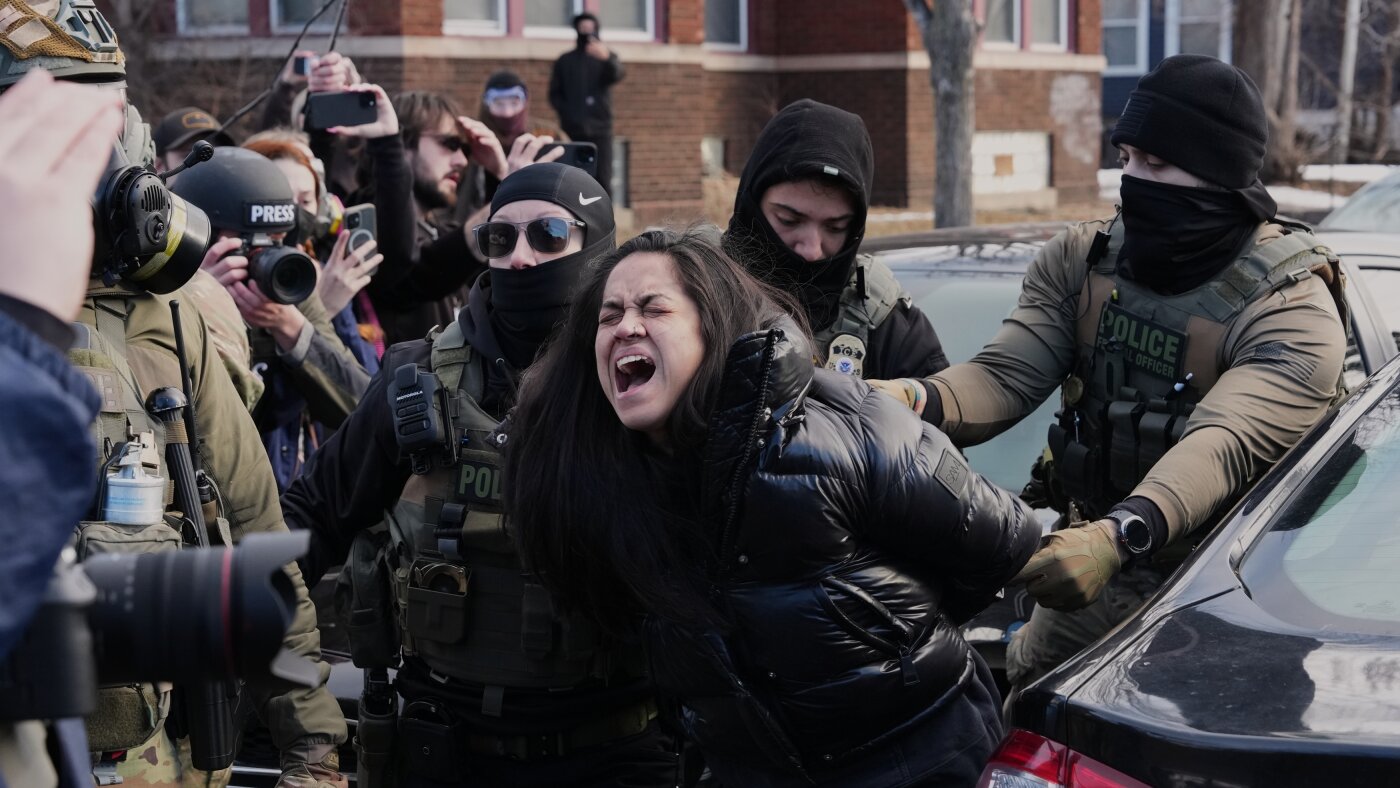
Recently, a shocking incident involving Immigration and Customs Enforcement (ICE) gained attention on social media. A U.S. citizen, Aliya Rahman, was forcibly removed from her car during a protest in Minneapolis. This encounter left her traumatized and brought to light broader concerns about the treatment of American citizens by immigration authorities.
Rahman’s Experience
On her way to a doctor’s appointment, Rahman inadvertently found herself amidst an ICE operation and a protest. The situation escalated quickly when officers ordered her to move her car. Struggling with auditory commands due to her autism and a recent brain injury, Rahman was caught off guard. She described the moment as terrifying, saying it felt like she might die as ICE agents hoisted her away, referring to her as a “body.”
After her arrest, she was taken to the Whipple Federal Building. Despite requesting medical help multiple times, she received none and eventually fainted. Medical staff later informed her that she had a concussion.
Widespread Fear
Rahman’s ordeal is not an isolated case. Many citizens in Minnesota have faced similar situations. ChongLy Scott Thao, also a U.S. citizen, was pulled from his home in just his underwear during an ICE raid. Mubashir Khalif Hussen, another U.S. citizen, recounted being tackled and dragged outside while trying to assert his citizenship. Hussen is now part of a class-action lawsuit claiming racial profiling against the Trump administration.
According to a recent survey, 70% of Minnesota residents reported feeling unsafe due to increased ICE presence in their communities. This has led to widespread anxiety among families, many of whom are U.S. citizens but fear being wrongly targeted.
Legal Perspectives
Walter Olson, from the Cato Institute, argues that what’s happening is a systematic assault on constitutional rights. The Fourth Amendment protects against unreasonable searches and seizures. Recent changes in rulings have left room for discretion, allowing immigration authorities to act based on perceived ethnicity, which some legal experts view as problematic.
Community Reactions
Local leaders and community members are speaking out against these actions. Luis Escoto, who owns a local restaurant, shared how his wife was stopped by immigration agents. Even after proving her citizenship, he felt the encounter was deeply unsettling. Many customers now escort him and his wife home at night out of concern for their safety.
Conclusion
The incidents in Minnesota highlight the pressing issues surrounding ICE enforcement and its impact on citizens. As local communities continue to react and organize against this type of treatment, the quest for justice and safety remains paramount.
For further reading on the broader implications of immigration policy and community impacts, you can check out the Cato Institute’s analysis.
