
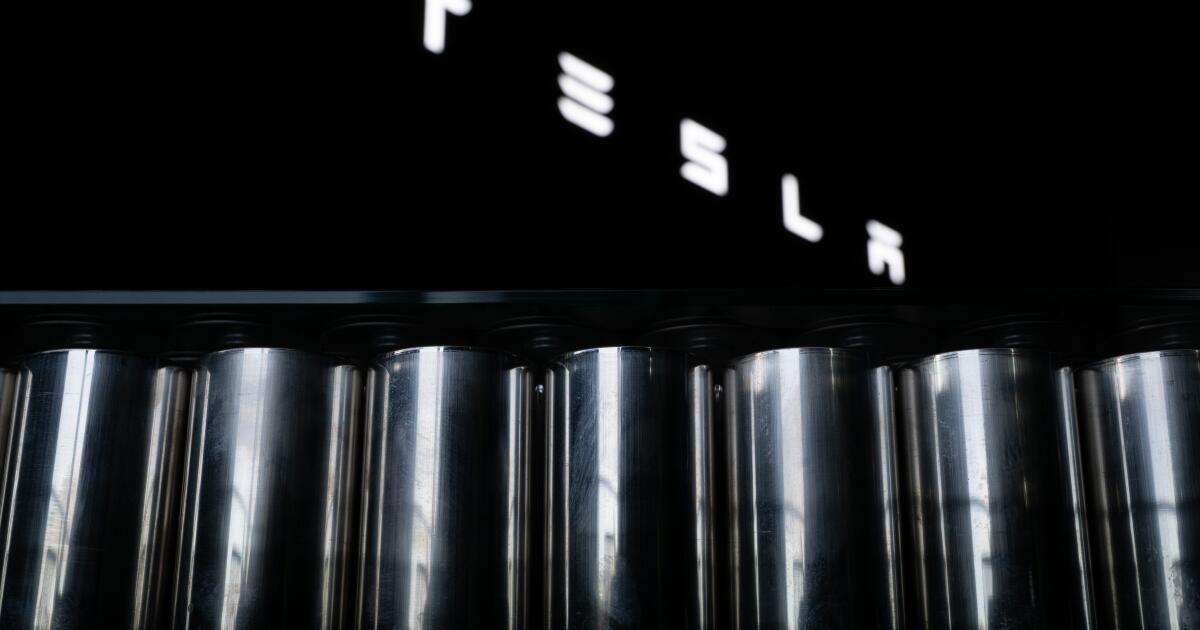
The recent Supreme Court ruling that overturned President Trump’s global tariffs is a significant development for businesses like Tesla. Rising production costs have been a challenge for these companies, especially since 2022. In their October earnings call, Tesla mentioned that tariffs on battery components alone cost them around $200 million in the last quarter of 2025.
China also stands to gain from this decision, benefiting from reduced trade barriers. However, Trump has hinted at reintroducing tariffs through other means, including a new proposed 15% global levy. This creates a layer of uncertainty for companies in the clean tech sector.
### Impact on Clean Technology
While the ruling helps some solar-related companies by lowering tariffs on photovoltaic cells, it doesn’t fully alleviate the financial burden for electric vehicles and wind energy sectors. Tariffs on these technologies remain the same, according to Matthew Hales, an analyst at BloombergNEF.
Interestingly, even though tariffs on energy storage batteries are now lower, American companies still face challenges. The U.S. imported about $10 billion in lithium-ion batteries last year, and this drop in tariffs means reduced costs for developers. In 2025, the U.S. also ramped up energy storage capacity, adding 13.3 gigawatts—about a 10% increase from the previous year.
### Future Concerns
The legal landscape is complex, especially since businesses can seek refunds for tariffs paid over the past year. However, the process can be lengthy and complicated. Alongside this, the threat of new tariffs looms. Trump’s administration is also considering national security tariffs on various sectors, including large-scale batteries.
Chinese manufacturers are in a more favorable position, benefiting from lower tariffs, while producers in Japan and South Korea may not be as lucky if Trump’s proposed increases take effect. As Hales points out, American battery manufacturers will face increased competition, adding pressure to an already strained clean tech landscape.
### Broader Context
Historically, tariff decisions often come with long-term implications. The landscape of global trade in clean technologies has shifted significantly over the years. Previous tariff regimes have had effects on everything from job creation in renewable energy sectors to pricing for consumers.
Looking ahead, staying on top of these changes will be crucial for companies aiming to navigate the evolving market. As policies shift, companies that can adapt quickly may find opportunities to thrive despite the uncertainty.
In summary, the Supreme Court’s ruling brings some relief, but many challenges remain for clean technology firms. By understanding the broader economic and political context, these businesses can position themselves for success in an ever-changing environment.
Source link
