
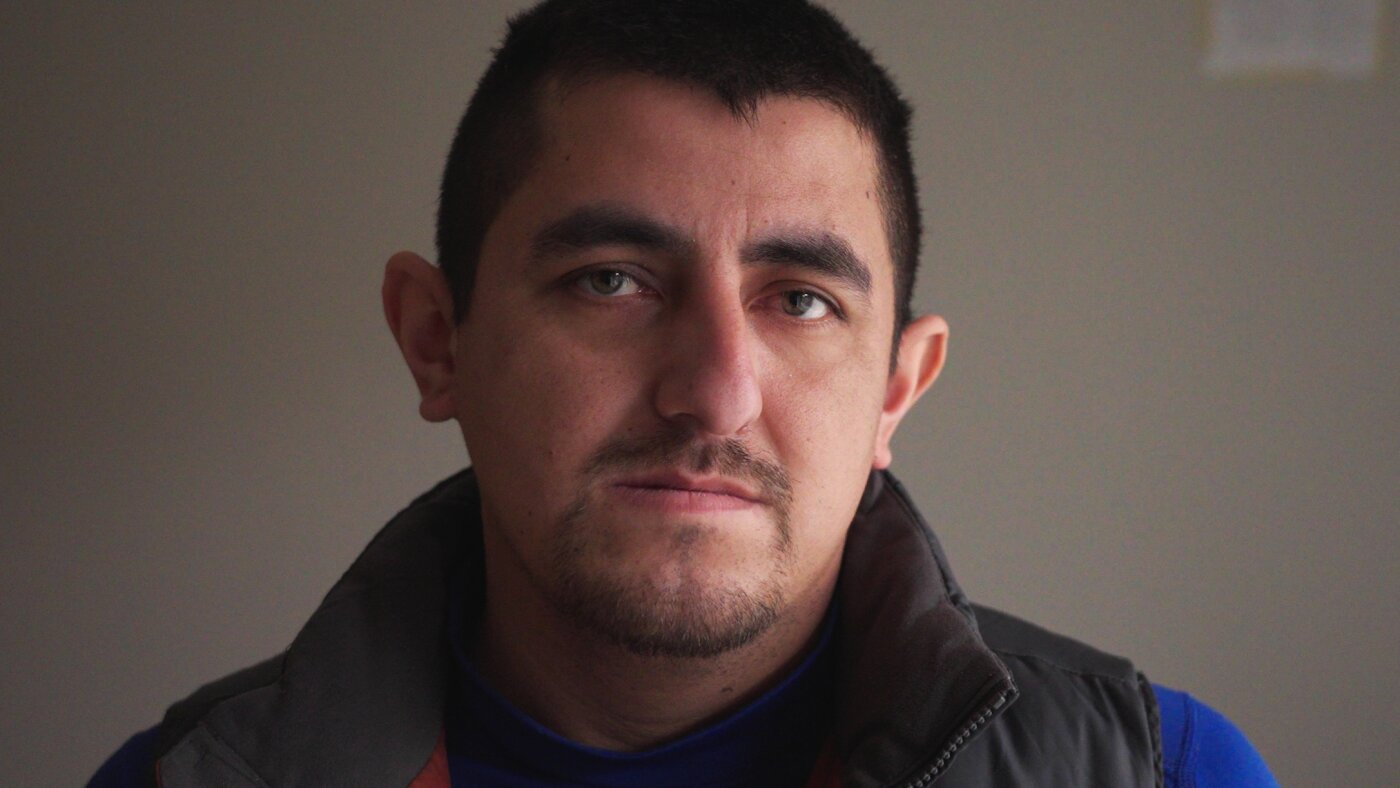
The Struggles of Alberto Castañeda Mondragón: A Haunting Experience
Alberto Castañeda Mondragón’s story is one of pain and resilience. After a terrible encounter with immigration officers in Minnesota, his life changed forever. This is a look at his experience and the broader issues surrounding it.
On January 8, 2026, Alberto was pulled from a car outside a shopping center in St. Paul. He was immediately overpowered—handcuffed, beaten, and dragged into an SUV. The details of his assault are stark. He remembers the punches and the sounds of a steel baton striking his head. By the time he reached an emergency room, he had suffered several severe injuries, including eight skull fractures and five brain hemorrhages.
“It’s like I truly returned from the dead,” Alberto later told reporters. His memory, however, was far from intact. He struggled to remember even his daughter, a profound loss he couldn’t understand.
Misleading Narratives
According to the officers, Alberto allegedly ran headfirst into a wall. Medical professionals questioned this claim, as CT scans revealed injuries inconsistent with such a fall. “There was never a wall,” Alberto stated firmly, recalling how he was struck by a baton, a weapon typically used to control suspects but not on the head unless facing a lethal threat, according to use-of-force standards.
Joe Key, a respected use-of-force expert, emphasizes that striking a person in the head with a baton is only justified under extreme circumstances—a situation that didn’t apply to Alberto.
A Broader Context
Historically, violent encounters with law enforcement aren’t new, but they have sparked more attention in recent years. Statistics from a survey by the Bureau of Justice Statistics show that the number of complaints about excessive force has risen as communities become more aware of their rights. Recent cases, like the death of George Floyd and others, have pushed for accountability.
In Minnesota, local leaders have begun demanding more transparency in immigration enforcement. Governor Tim Walz publicly stated, “Law enforcement cannot be lawless.” He highlighted the need for change in practices that endanger lives.
Witnesses and Reactions
Alberto’s arrest did not go unnoticed. A video surfaced online showing him stumbling and being held up by officers. Bystanders voiced their concerns, shouting warnings that he could be seriously hurt. The social media reaction reflected a growing frustration among citizens regarding the actions of ICE.
Congressional leaders from Minnesota have joined calls for investigations into the incident. It underscores a rising tension between immigration enforcement and community safety.
The Path Forward
Alberto faces a long road to recovery, grappling with not just physical injuries but also a deep emotional toll. Though some memory has returned, vital moments with his daughter remain lost. He recalls her teaching him, “You taught me to dance,” a painful reminder of their fractured connection.
While living without health insurance poses challenges, community support has been crucial for him. Through crowdfunding efforts, neighbors and friends are helping him access necessary medical care and cover living expenses.
Alberto’s determination is contagious. “It’s immense luck to have survived and to try to move forward,” he reflects. However, the trauma stirs fears that linger. As he closes his eyes each night, the thought of immigration officers haunts him, reminding us all of the urgent need for reform within the system.
In a world where so many face similar struggles, Alberto’s story serves as both a wake-up call and a testament to resilience. His experience is a poignant reminder that every person has a story worth telling.
For a deeper understanding of the historical context surrounding immigration policies, you can visit Immigration Policy Center.
