
For people like Jeffrey Rajca, running the Canyon Family Church in Chinle, Arizona, the uncertainty around food stamp funding is stressful. “I rely on SNAP benefits for food,” he says. With the recent announcement from the Trump administration, he’ll only receive half of the usual monthly payments for November due to a court order.
In Arizona, the average monthly food stamp benefit is $181.83 per person. With only about $90 coming his way, Rajca fears he’ll have to survive on cheap, unhealthy options. “Better than starving,” he adds.
Around 12% of Americans depend on the Supplemental Nutrition Assistance Program (SNAP). In Arizona, that equates to roughly 855,000 people, according to the Arizona Department of Economic Security. Some areas, like Apache County, rely much more heavily on this federal aid; about 44% of households there depend on SNAP.
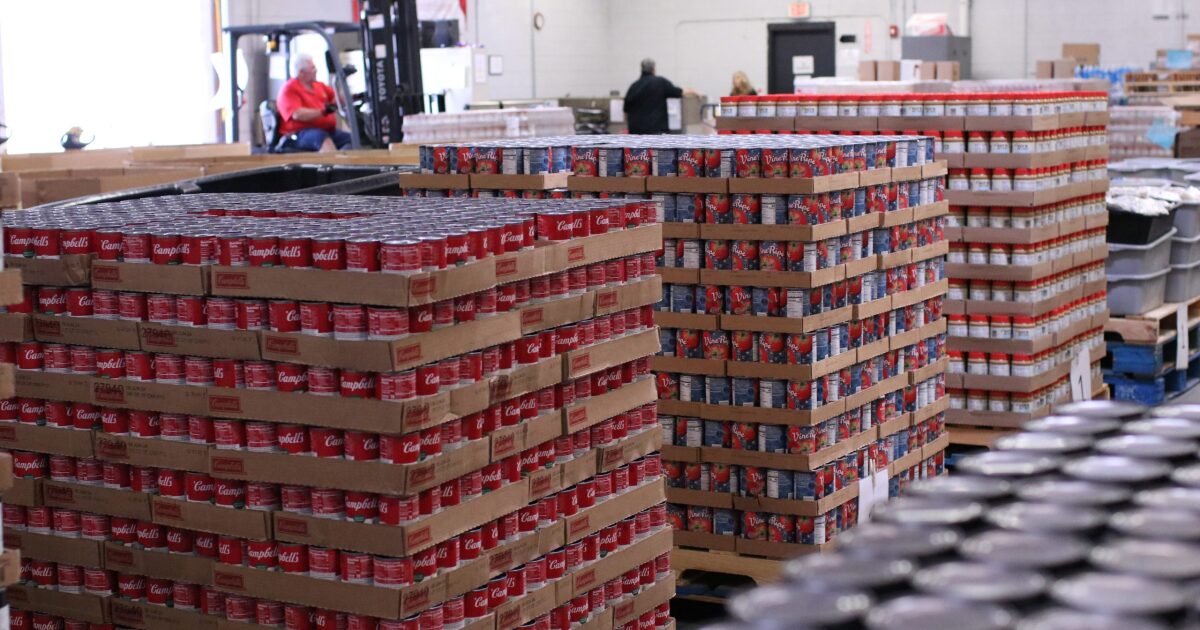
The impact of reduced food aid is worrying, especially in regions with high food insecurity. Steve Knutson, director of the White Mountain Community Food Bank, argues that food aid shouldn’t be used as a “political football.” He emphasizes that the food distributed cannot meet the growing needs of families.
Historically, the food stamp program has never interrupted benefits during budget disputes, including a significant governmental shutdown that took place during President Trump’s first term. Before this current crisis, the U.S. Department of Agriculture (USDA) assured that food assistance would continue regardless of budget issues. However, as the fiscal year ended without a new budget, they cut the aid.
Recently, Arizona joined other states in asking federal courts to use a $6 billion SNAP contingency fund to support families. This led to a court ruling that required the USDA to release $4.65 billion for benefits—but only enough to cover half of recipients’ monthly allotments.
Rajca, who has lived in Chinle for decades, relies on a blend of Medicaid, church donations, and SNAP. He fears that without full benefits, he’d have to use funds meant for his children’s program to cover his own needs. “I don’t want to take from the kids,” he states.
In addition to the food stamp crisis, communities in Arizona are still recovering from last month’s floods that devastated areas like Globe. Roberta Loyd, a volunteer at the Gila Community Food Bank, reports an increase in need, saying, “If people can get here, we are feeding them.”
Some governors are stepping up. In Virginia, Gov. Glenn Youngkin allocated $37 million for SNAP, while Louisiana’s Gov. Jeff Landry planned to find $150 million to assist residents. In Arizona, Gov. Katie Hobbs has announced $1.8 million in emergency aid for food banks. However, experts like Punam Ohri-Vachaspati from Arizona State University warn that this support is merely a “drop in the bucket” compared to what families actually require.
Adrienne Udarbe, head of Pinnacle Prevention, points out that USDA funding could be available soon due to recent court rulings, but many families will still face ongoing hunger. The larger concern, according to food policy experts, is the lasting impact of such funding gaps on food security rates across the state.
As millions of families wait for aid distribution, the need for reliable support is clear. The food stamp program’s stability is crucial for many Americans, especially in times of crisis.
