
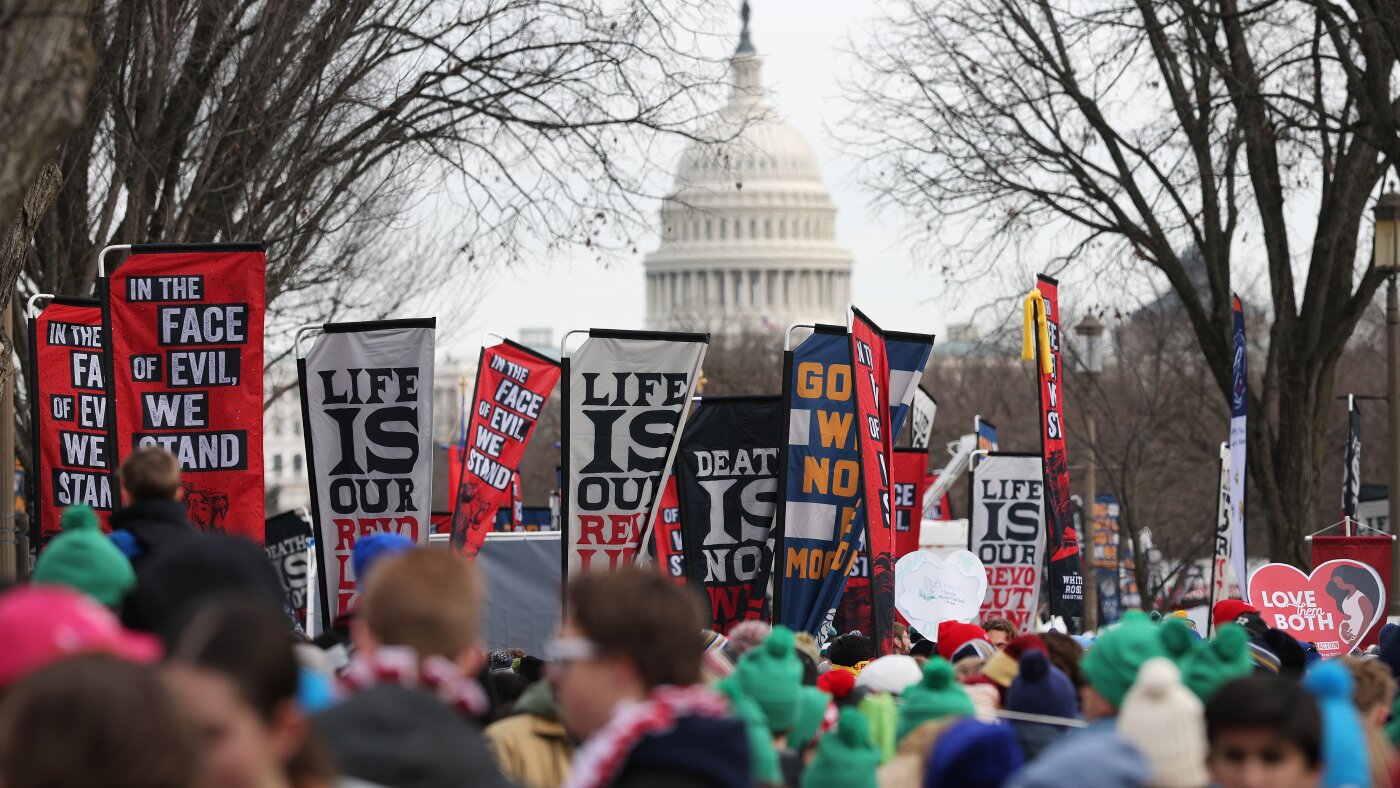
Health officials in Washington, D.C., are raising alarms over potential measles exposure linked to the recent National March for Life rally. Thousands gathered in the capital in late January, and now, the DC Department of Health is working to identify anyone possibly at risk after confirming cases of the disease among attendees.
The department reported that those infected visited various locations in the city while contagious. They have been reaching out to people who were at these sites, urging them to monitor their health.
Among the locations identified are major transit hubs such as Ronald Reagan Washington National Airport and D.C.’s subway system. In addition, the Basilica of the National Shrine of the Immaculate Conception was also noted as a site of concern. Individuals who visited the Children’s National Hospital’s Emergency Department on February 2 may also have been exposed to the virus.
This year, the U.S. is facing its largest measles outbreak in decades. According to the Centers for Disease Control and Prevention (CDC), there have been 733 confirmed cases across 20 states so far. Disturbingly, 95% of these cases involve individuals who were unvaccinated or whose vaccination status is unknown.
Historically, measles was nearly eradicated in the U.S. But outbreaks have surged in recent years, particularly due to vaccine hesitancy. A recent report indicated that South Carolina is experiencing significant cases, with a total of 920 confirmed cases as of early February.
Public health leaders are encouraging vaccination. In a CNN interview, Centers for Medicare & Medicaid Services Administrator Mehmet Oz emphasized the importance of measles vaccinations to curb this outbreak. He noted that despite recent rollbacks in recommended immunizations, federal guidance regarding measles vaccines remains unchanged.
Experts warn that the U.S. could lose its measles elimination status if these trends continue. The World Health Organization’s Pan American Health Organization has called for discussions in April to address this urgent public health issue.
Residents who may have been exposed are advised to contact health officials, especially if they are not fully vaccinated. Protecting community health relies heavily on vaccination, and experts agree that staying informed is crucial. For more detailed information, visit the CDC’s measles updates.
