
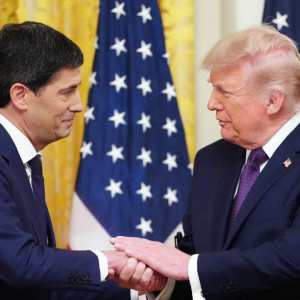
Is Kevin Warsh the right choice for a markets-friendly Fed Chair? The short answer is yes, but opinions vary on the timeline.
Investors hope Warsh’s leadership will contribute to a resilient U.S. economy. However, economic conditions, particularly in light of geopolitical tensions like the ongoing conflict in Iran, may create hurdles. As energy prices rise due to this conflict, potential inflation could make it challenging for the Federal Reserve to lower interest rates—something Warsh has advocated for in the past.
Warsh officially took office on May 22, coinciding with a record high for the Dow. Yet, rising bond yields and inflation forecasts are causing concern among analysts and Federal Reserve officials. Many are now suggesting that the Fed might need to raise interest rates rather than lower them in the near future. This shift is unexpected and contrasts sharply with previous hopes for rate cuts.
When Warsh was nominated by then-President Trump, there was an expectation he would align closely with Trump’s monetary policy goals, including reducing interest rates significantly. However, the current inflationary climate complicates things. Experts like Ben Fulton from WEBs Investments note that the Fed’s recent statements show it may be moving in a more hawkish direction, signaling possible rate hikes rather than cuts.
Eric Diton from The Wealth Alliance also commented that the Fed is becoming increasingly cautious due to inflation concerns linked to energy prices and tariffs. He pointed out that an end to the Iran conflict could help ease some inflationary pressures.
Historically, the Federal Reserve faces challenging balancing acts, aiming for maximum employment while keeping prices stable. Lowering interest rates can fuel hiring, but it also risks increasing inflation. Conversely, raising rates can cool inflation but may weaken the job market. This dual responsibility makes Warsh’s role incredibly complex, especially in a climate of high inflation and uncertainty.
Recent statistics reflect how dramatic the current situation is. For example, Warsh inherits the highest 10-year Treasury yield (4.56% as of his nomination) of any Fed Chair in decades, driven by significant fiscal deficits. Financial experts believe that while he may favor lower rates, the current environment necessitates cautious decision-making.
Warsh has previously emphasized the Fed’s need for independence, which is critical for maintaining public trust in the central bank’s ability to manage economic challenges. While he has his own vision for reforms, his success will depend on collaboration with other members of the FOMC.
In conclusion, Kevin Warsh’s leadership may push for lower interest rates, but the path ahead is fraught with challenges. Inflation worries and geopolitical instability create a tough environment for any central bank head. As Warsh navigates these complexities, both markets and the economy will closely watch his moves.
Source link
Kevin Warsh, President Donald Trump, interest-rate, Federal Funds Rate, Fed, energy prices
