
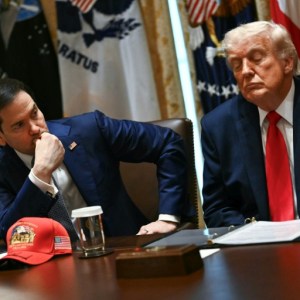
Iran’s chief negotiator, Mohammad Bagher Ghalibaf, recently expressed deep mistrust toward the United States. He stated that Iran will not enter into any agreement unless it guarantees the rights of the Iranian people. This comment highlights a significant gap between the two countries, especially as U.S. President Donald Trump has proposed a stricter peace plan to Iran.
Reports indicate that the negotiations to conclude the Middle East conflict and reopen the crucial Strait of Hormuz are still fraught with tension. Experts caution that any further modifications to the agreements might stall progress even longer.
In February, U.S. and Israeli strikes significantly weakened Iran’s leadership during ongoing discussions around its nuclear program. While Iran insists its nuclear ambitions are purely peaceful, the U.S. and its allies remain skeptical, suspecting a hidden agenda for weapon development.
Trump’s recent comments emphasized key U.S. goals: preventing Iran from developing nuclear weapons and ensuring safe navigation through the Strait of Hormuz. However, the details of his new proposal remain vague, leading to confusion and uncertainty about the negotiations.
Ghalibaf asserted that Iran’s support will depend on the release of $12 billion in frozen assets, rejecting Trump’s past assertions about Iran’s nuclear capabilities as unfounded. Tehran is also pushing for Lebanon’s inclusion in any agreement, amid ongoing tensions in the region.
Despite a temporary ceasefire established in April, violent exchanges continue, raising concerns over future diplomatic efforts. The Revolutionary Guards recently reported intercepting a U.S. drone, while U.S. forces have targeted Iranian sites in response to hostilities.
In a broader context, exploring public opinion reveals that many in both countries are skeptical about a lasting resolution. Recent surveys indicate that 63% of Iranians doubt the U.S. will honor any agreements, reflecting a long history of distrust in the region.
On the frontlines, Israel has intensified its military operations, making strategic gains in southern Lebanon. Israeli Prime Minister Benjamin Netanyahu described this as a shift towards a more aggressive stance throughout the region.
This situation emphasizes the complexities of Middle Eastern politics and the long-standing challenges of securing peace. For better insights, a report from the Brookings Institution discusses regional security dynamics and the implications of ongoing negotiations.
In summary, the current climate reflects a tangled web of distrust, political maneuvering, and regional tensions. The path to peace remains uncertain, but the stakes for both nations are undeniably high.
Source link
Donald Trump, Iran, Lara Trump, Israel, Mohammad Bagher Ghalibaf, Strait of Hormuz, Iran, nuclear weapon, Tehran, United States
