
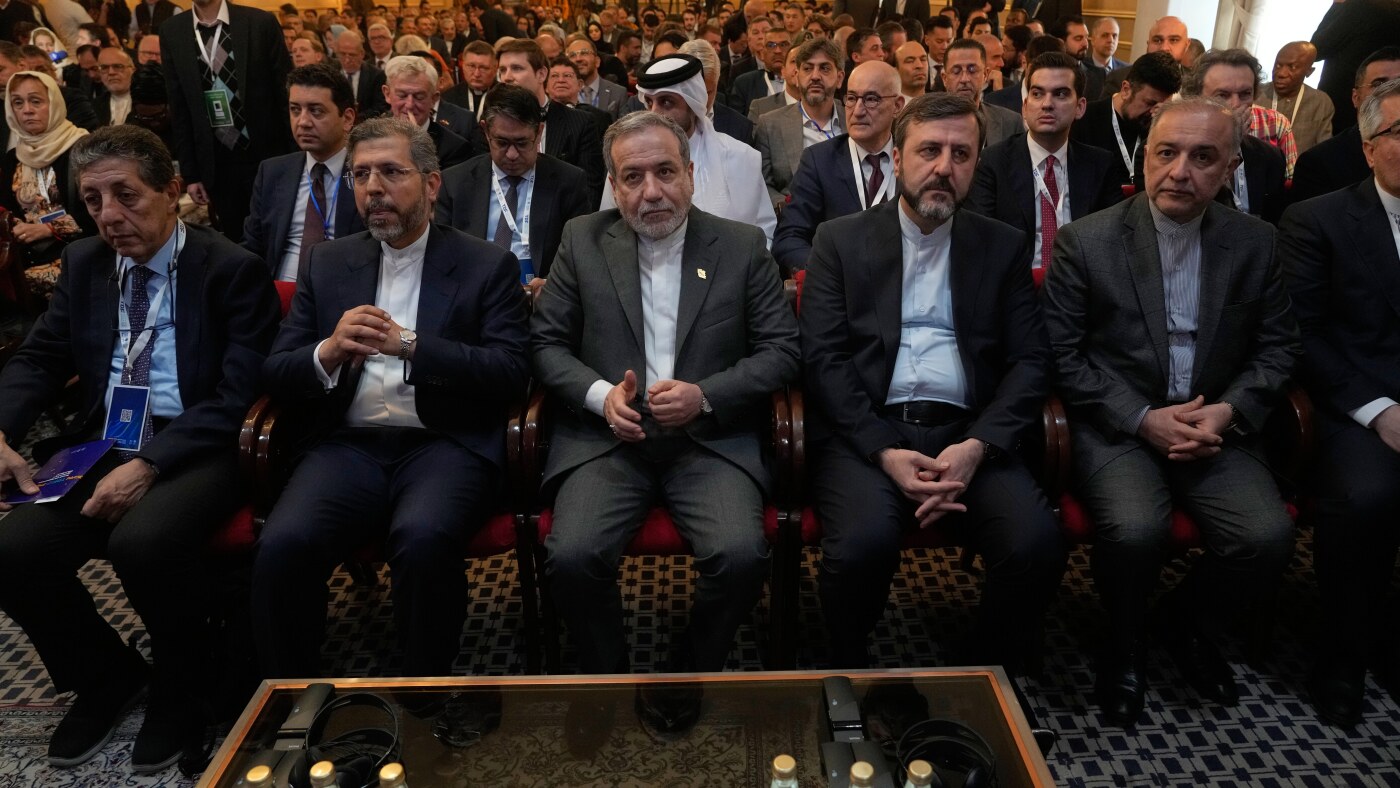
In a recent statement, Iran’s foreign minister, Abbas Araghchi, declared that the country is currently not enriching uranium at any site. This statement comes in the wake of attacks by Israel and the U.S. on Iran’s enrichment facilities in June. Araghchi emphasized, “There is no undeclared nuclear enrichment in Iran. All of our facilities are under the International Atomic Energy Agency’s monitoring.” He noted that all enrichment activity has stopped due to the bombings.
When asked about negotiations with the U.S. and other nations, Araghchi reiterated Iran’s position on its nuclear rights. He stated, “Iran’s right to peaceful nuclear technology is undeniable.” Despite recent tensions, Iran maintains that it will not relinquish its nuclear rights.
Recently, an AP journalist was granted a temporary visa to report from Iran, attending a summit hosted by the Iranian Institute for Political and International Studies. The event, titled “International Law Under Assault: Aggression and Self-Defense,” focused on the recent war and features Tehran’s perspective on the conflict, including commentary from German Chancellor Friedrich Merz, who praised Israel’s military actions.
During the summit, images of children killed in the conflict were displayed prominently, serving as a stark reminder of the war’s human cost. Mohammad Kazem Sajjadpour, an international relations expert, praised Iran’s response to the attacks, calling it “remarkable” and calling attention to the contrast between Iran’s actions and Israel’s military strikes.
Yet, Iran is navigating a challenging period. The recent conflict severely damaged its air defense systems, increasing vulnerability to potential further attacks. As economic troubles grow, so do internal pressures related to societal norms and governance, such as the enforcement of hijab laws and fuel price adjustments, issues that have sparked nationwide protests in the past.
Statistics show an increase in public dissent within Iran since early 2023, with over 60% of the population expressing frustration over economic conditions and governance. This adds urgency to Iran’s decisions regarding its foreign relations and domestic policies.
The situation in Iran highlights a complex web of international relations, domestic unrest, and the ongoing struggle for nuclear rights. As the landscape shifts, both the Iranian government and the international community are faced with decisions that could shape the future of the region.
