
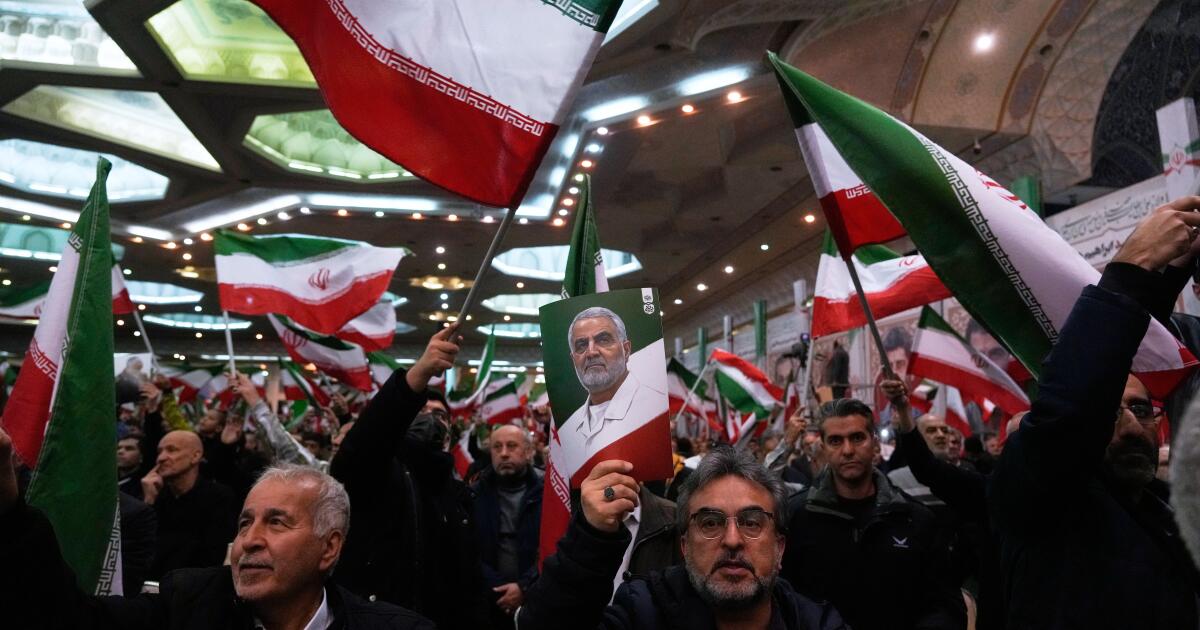
War with Iran: A Complex Situation
Over 60 days into the conflict with Iran, President Trump found himself in a tricky spot. During a recent briefing, military leaders presented him with a list of options for renewed strikes. Each choice raised concerns—another round of attacks could spiral out of control and disrupt a fragile ceasefire.
As public support for this war wanes, a new legal deadline for congressional approval adds pressure. Oil prices remain high, causing economic worries, and any hope for diplomatic talks with Iran seems distant.
This week, signs of a potential military buildup emerged. U.S. Defense officials indicated that the military was resupplying its ammunition. Iran, too, was reportedly digging deeper into its stockpiles of missiles and drones.
Robert Pape, a professor of international relations at the University of Chicago, noted, “The logistics show a significant increase in military readiness.” There were reports of a third aircraft carrier moving into the region, the first addition since the war began in February. “That’s a strong indicator they’re mobilizing for possible action,” he added.
Currently, over 10,000 Marines are in the area, raising the option for limited ground operations. This could involve seizing parts of Iran’s coastline or targeting critical areas like Kharg Island, the center of Iran’s oil production. While this might offer the U.S. some leverage in negotiations, it carries risks. Many Americans—both Democrats and Republicans—oppose a ground war.
Senator Richard Blumenthal emphasized that a military strike is a real possibility. “The briefings I’ve received strongly suggest that,” he told CNN.
As Trump prepares for the weekend, he expressed frustration with Iran’s internal divisions over potential nuclear negotiations. “They want to make a deal, but I’m not satisfied with it,” he remarked. However, as discussions drag on, American citizens can expect rising costs for energy and food, thanks to disruptions in shipping through the Strait of Hormuz.
Trump believes that strong military strikes could force Iran’s hard-liners to come to the negotiating table. But this approach may backfire, as early strikes empowered Iran’s more militant factions. “Do we want to just blast them or try to negotiate?” he queried.
In his correspondence with Congress, Trump dismissed a 60-day deadline set by the War Powers Act, claiming that the ceasefire paused any need for congressional approval. This perspective has sparked debate, with critics arguing that ongoing U.S. actions against Iran amount to an act of war requiring legislative consent.
Internal discussions continue as Pentagon officials revealed that the conflict, named Operation Epic Fury, has already cost American taxpayers $25 billion. Defense Secretary Pete Hegseth insisted that the U.S. is “absolutely winning” but refused to clarify whether he advised launching the war initially.
According to recent polls, public sentiment shows that over 70% of voters oppose the prolonged engagement in Iran. The current situation is a reflection of complex military and political dynamics, and the decisions made in the coming weeks will significantly impact both the U.S. and Iran.
For more detailed insights, you can refer to Military Times and analysis from Oil Price.
