
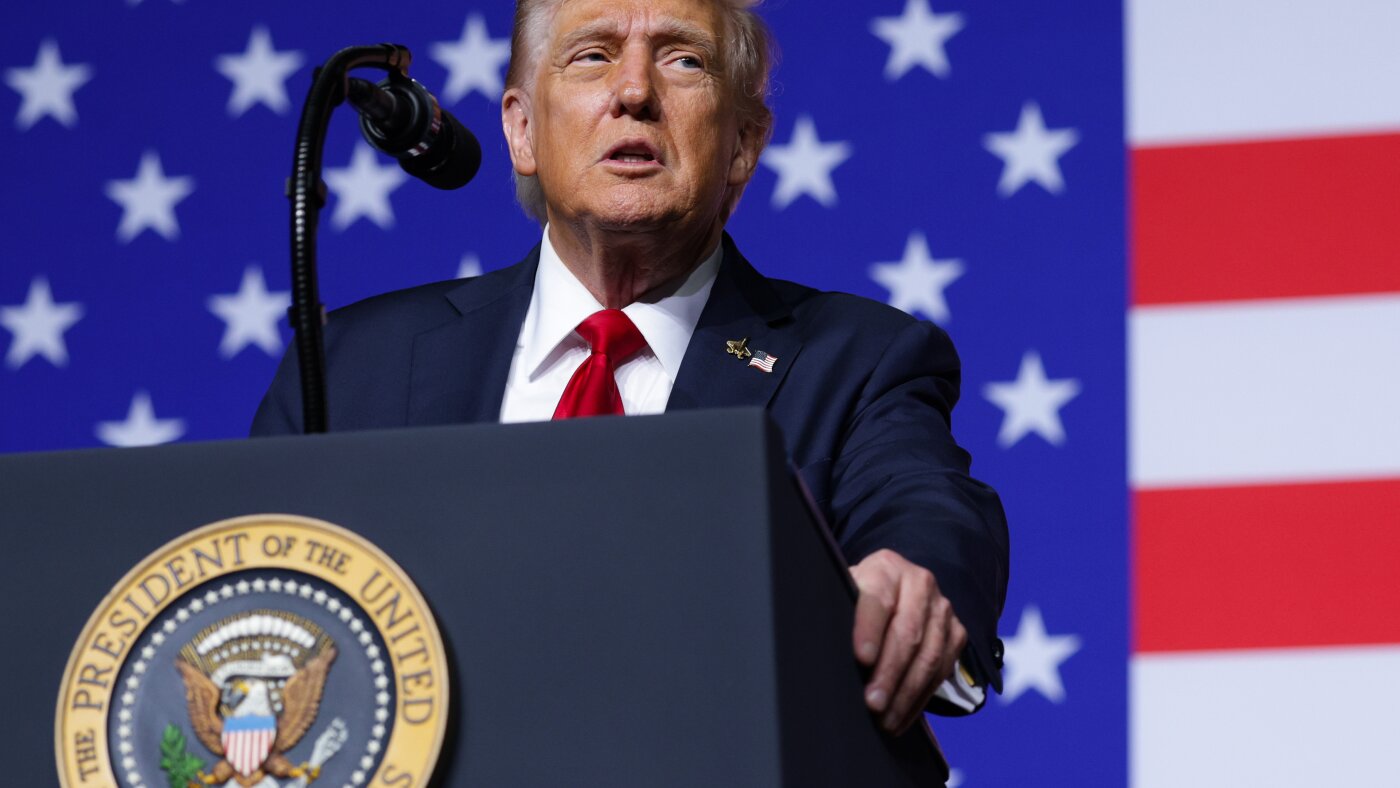
The value of the U.S. dollar has been on a downward trend, and opinions vary on whether this is good for the economy. Recently, President Trump expressed support for the weaker dollar, referring to it as beneficial for U.S. businesses. The dollar is currently at its lowest point in four years.
### Why is the Dollar Falling?
This year the dollar has already dropped about 2%. Last year, it fell nearly 10%, which was a significant decline. Several factors contribute to this trend, including concerns over Trump’s unpredictable economic policies, especially regarding tariffs and the Federal Reserve.
Historically, a strong dollar has been viewed as a sign of the country’s economic strength. The current decline might reflect growing doubts among foreign investors. For example, U.S. stock markets didn’t perform as well compared to other global markets last year.
### Benefits of a Weaker Dollar
One clear advantage of a weaker dollar is that it helps American manufacturers. When the dollar’s value decreases, U.S. products become more affordable for foreign buyers. This increased demand can help boost sales for companies that export their goods, like Apple.
Moreover, a weaker dollar can spur growth in the tourism industry. Foreign visitors find it cheaper to travel to the U.S., which can lead to increased spending in local economies.
### Drawbacks to Consider
On the flip side, a weaker dollar makes imported goods more expensive. This is a concern for everyday consumers and manufacturers who rely on foreign parts. If import prices rise, it can contribute to inflation, leading to higher costs for everyone.
Additionally, a declining dollar can influence perceptions of the U.S. economy. A strong dollar has historically symbolized confidence and stability. A sharp decline may raise questions about the country’s economic prospects.
In a recent interview, Treasury Secretary Scott Bessent affirmed the U.S. commitment to a “strong dollar” policy, emphasizing the importance of sound economic fundamentals to attract investment.
As this situation unfolds, it will be interesting to see how market reactions evolve. The dynamics between a weaker dollar and the broader economy continue to be a hot-button issue, affecting everything from everyday consumer prices to international trade relations.
Source link
