
Shahar Segal and the Gaza Controversy
Shahar Segal, an Israeli restaurateur known for his global restaurant empire, made headlines recently when he stepped down from his role as spokesman for the Gaza Humanitarian Foundation (GHF). This decision followed significant backlash due to the tragic deaths of many Palestinians who were seeking aid from GHF’s distribution points in Gaza.
Background on Segal and the GHF
Segal had been associated with the GHF since it began providing food aid in Gaza in May. The foundation, backed by U.S. and Israeli efforts, aimed to address food shortages caused by severe restrictions on supplies entering the area. However, this initiative drew criticism as many of its distribution sites were located near military zones, which raised safety concerns.
According to Gaza health authorities, over 545 Palestinians have reportedly died near these food distribution points, leading a U.N. official to label them as a “death trap.” The United Nations and major aid organizations have expressed hesitance in collaborating with GHF, highlighting the potential for humanitarian aid to be misused for political agendas.
Public Reaction and Subsequent Protests
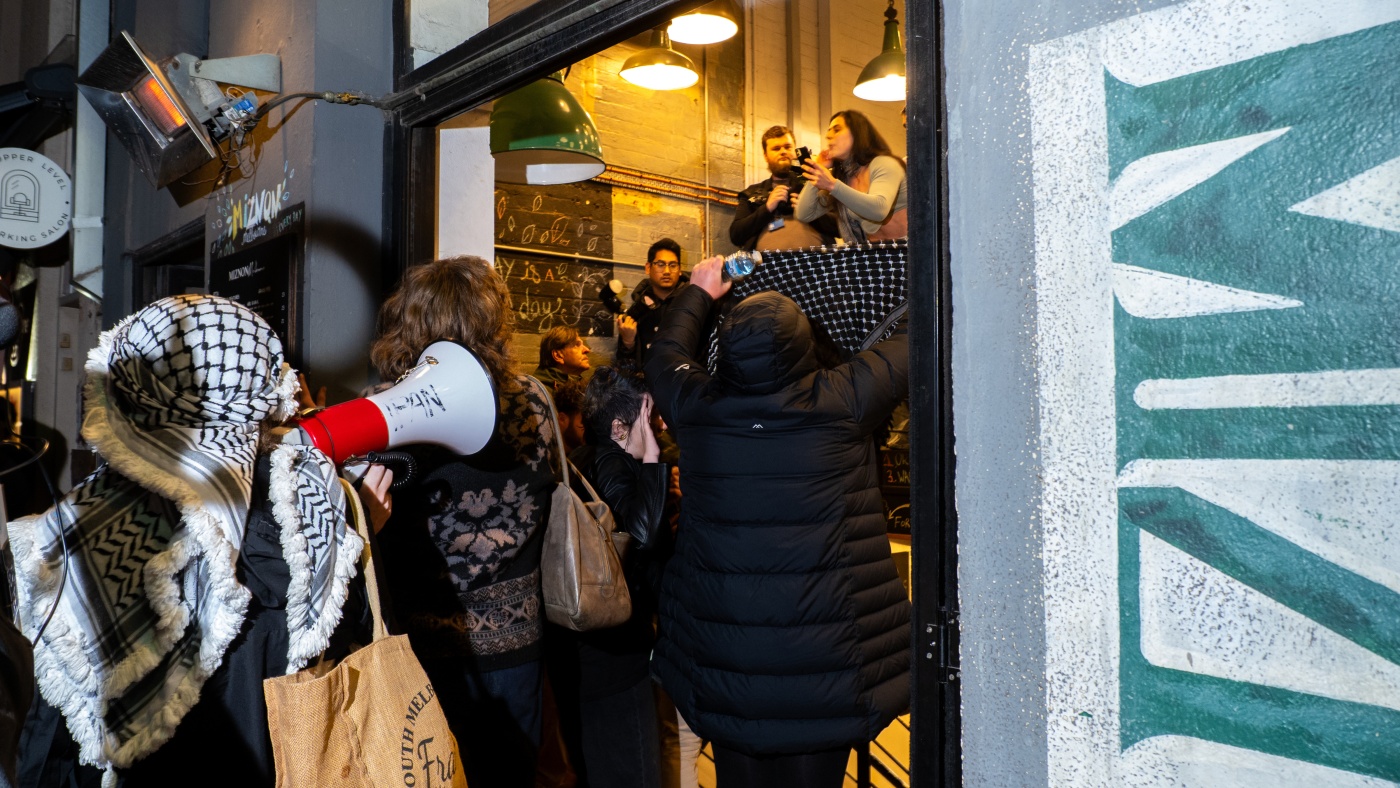
On July 4, protests erupted in Melbourne, Australia, outside Segal’s restaurant, Miznon. Demonstrators criticized his involvement with GHF and clashed with staff, resulting in property damage. Reports indicate that three individuals are facing charges related to the incident.
Back in Israel, Segal faced similar backlash from his partners and the public. Teder, a popular venue in Tel Aviv housing one of his restaurants, publicly disassociated itself from Segal and GHF. They stated that while Segal’s intentions may have been good, his involvement with GHF conflicted with their values regarding humanitarian aid.
Shifting Perspectives
The social media sentiment surrounding this issue has seen a split. While some called for a boycott of Segal’s restaurants, others came to his defense, arguing that his earlier work was intended to help those affected by conflict.
In light of Segal’s resignation, he stated that his role with GHF was always meant to be temporary and rooted in humanitarian goals. However, given the adverse implications of GHF’s actions, many are questioning whether businesses should engage in humanitarian efforts that could inadvertently contribute to violence.
Expert Insight
According to humanitarian expert Dr. Sarah Thompson, engaging with organizations like GHF requires a cautious approach. “The risk of humanitarian aid being used as a political tool can undermine genuine efforts to help those in need,” she noted in a recent interview. This sentiment echoes the complicated nature of aid in conflict zones, where the lines between assistance and political maneuvering become blurred.
The Bigger Picture
Segal’s experience illustrates a broader challenge within humanitarian efforts—balancing aid with safety and ethics. This case serves as a reminder that a well-intentioned approach can lead to unintended consequences, especially in high-stakes environments.
Conclusion
Shahar Segal’s departure from the Gaza Humanitarian Foundation highlights the complexities of humanitarian work amid ongoing conflict. As communities continue to navigate these challenging waters, it’s crucial to prioritize the safety and dignity of those they aim to assist. Their voices must be heard, ensuring that humanitarian efforts truly serve their intended purpose without compromising lives in the process.
