
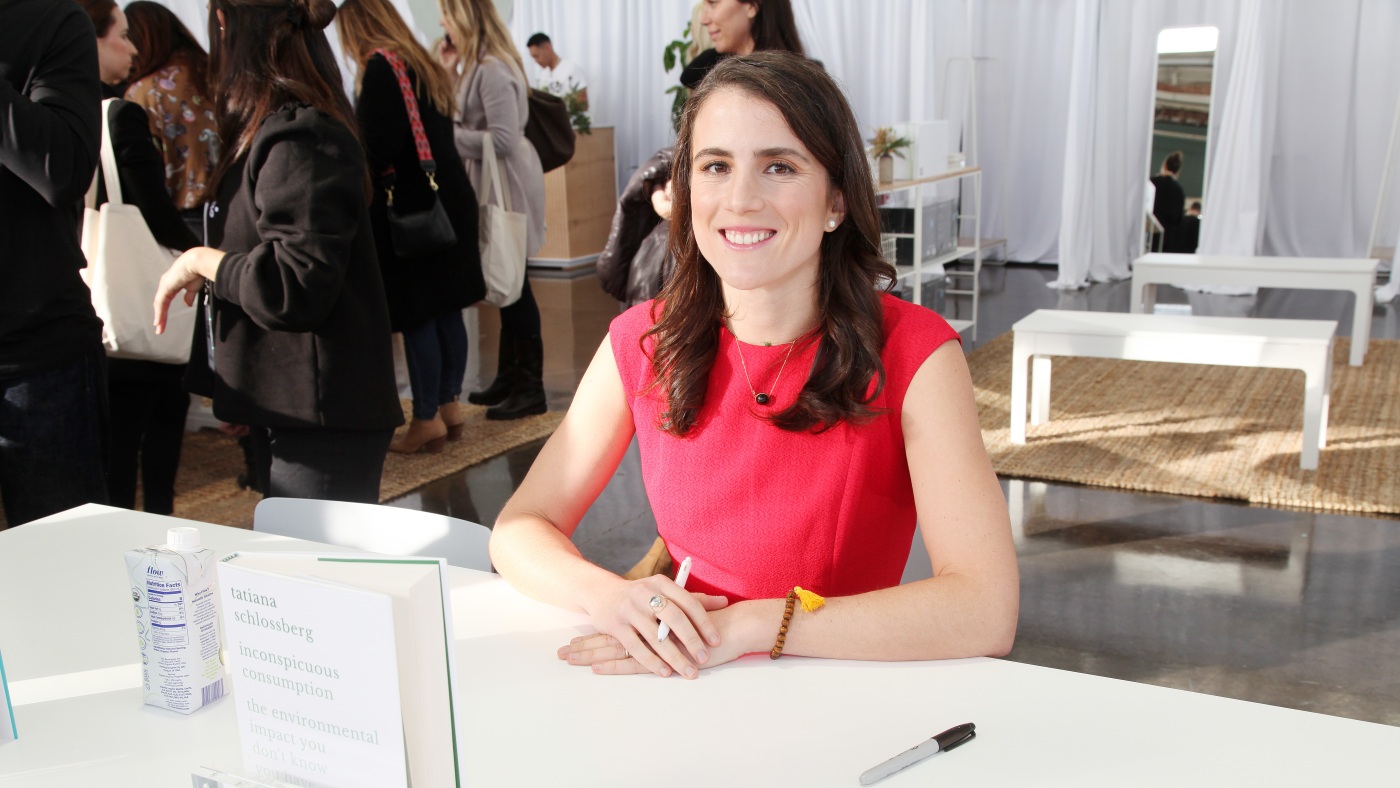
Tatiana Schlossberg, granddaughter of John F. Kennedy, recently shared her struggle with a rare form of cancer, acute myeloid leukemia (AML). This news came to light in her heartfelt essay “A Battle with My Blood,” published on the anniversary of her grandfather’s assassination. In it, she opens up about her year-long fight against the illness, explaining that her treatments haven’t led to lasting remission and that the disease is ultimately terminal.
Schlossberg, a journalist focused on environmental issues, learned about her cancer at just 34 years old, during a blood test after the birth of her second child. She was completely unaware of her condition, feeling healthy even after swimming a mile the day before. This situation highlights a sad reality: “Acute myeloid leukemia often develops quickly and doesn’t give obvious signs until it’s advanced,” says Dr. Clark Alsfeld, a hematology oncologist. He emphasized that findings like Schlossberg’s case often spike awareness about blood cancers—conditions too many people overlook until it’s too late.
AML is especially concerning due to its aggressive nature, particularly in cases with the inversion 3 mutation, which Schlossberg has. “Remission can be tough to achieve,” explains Dr. Alsfeld, noting that patients with this mutation face poorer prognoses compared to others with AML. Current survival rates remain lower than desirable, highlighting the urgent need for more research and funding to combat these cancers.
Schlossberg’s essay is not only a personal account; it tackles broader health issues. She criticizes her cousin Robert F. Kennedy Jr. for his anti-vaccine stance and promotes a dialogue on the importance of medical research funding. “It’s disturbing to feel that the healthcare system you rely on is under attack,” she wrote. This sharp rebuke adds depth to her story, pushing readers to consider the political and social implications of health care in America today.
Recent trends show that public interest in healthcare, especially related to illnesses like leukemia, is growing. According to a 2022 survey conducted by the American Society of Clinical Oncology, about 72% of Americans feel that more funding should go into cancer research. This response reflects a wave of concern and desire for improved medical care, bolstered by personal stories like Schlossberg’s.
By sharing her experience, Schlossberg aims not only to shed light on her illness but also to galvanize support for vital health research. Dr. Alsfeld believes that personal narratives are crucial. “They resonate with people far more than just statistics or general information about AML,” he notes. Her essay is a powerful reminder of the importance of support, awareness, and the fight against misleading narratives in health care.
Though she faces an uncertain future, Schlossberg’s strength and openness about her diagnosis inspire many. Her journey brings attention not just to her specific struggle but to the broader challenges within cancer treatment and healthcare policy today.
