
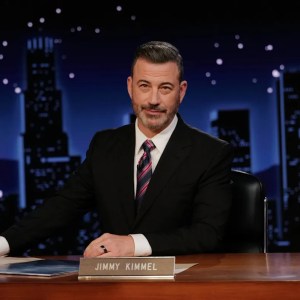
Jimmy Kimmel made his return to ABC on Tuesday after a brief suspension due to comments he made about the political response to the murder of activist Charlie Kirk. Kimmel opened his monologue by addressing the backlash, saying, “It was never my intention to make light of the murder of a young man. I understand why some people were upset.”
He expressed gratitude for the support he received, even from those who don’t share his views, noting voices from across the political spectrum, including Ben Shapiro and Ted Cruz. He emphasized the importance of free speech, saying, “What matters is that we can express ourselves.”
Kimmel criticized attempts by the Trump administration to undermine comedians. “The government shouldn’t control our speech,” he argued. This reflects a growing tension in the media space, where many feel that political pressure is influencing entertainment.
Recently, 400 Hollywood stars signed a letter defending free speech, highlighting a widespread concern. “If it happens to one of us, it happens to all of us,” they stated, showing solidarity regardless of political leanings.
Despite Kimmel’s return, his show won’t broadcast everywhere. Sinclair, which owns many ABC affiliates, decided not to air it, creating gaps in viewer access. This decision underscores the complicated relationship between media companies and political commentary.
Politicians have weighed in on the situation too. Republicans like Senator Ted Cruz warned against government involvement in media decisions. He called it “dangerous” for the government to dictate what can be aired.
Kimmel’s suspension and return is part of a larger issue of free speech in America. Many are paying attention to how this affects not only late-night comedy but also the media landscape as a whole. The conversation isn’t just about one show; it’s about the broader implications for artistic expression in a politically charged climate.
As Kimmel continues with his show, viewers and industry insiders alike will be watching closely. The push and pull between entertainment and politics is stronger than ever, shaping how comedians and public figures navigate their platforms.
For more insights about the ongoing discussions around free speech, you can check out this report from the American Civil Liberties Union.
Source link
Jimmy Kimmel, President Trump
