
Here’s a unique and engaging rewrite of the provided content, focusing on the key themes while simplifying the vocabulary and structure:
—
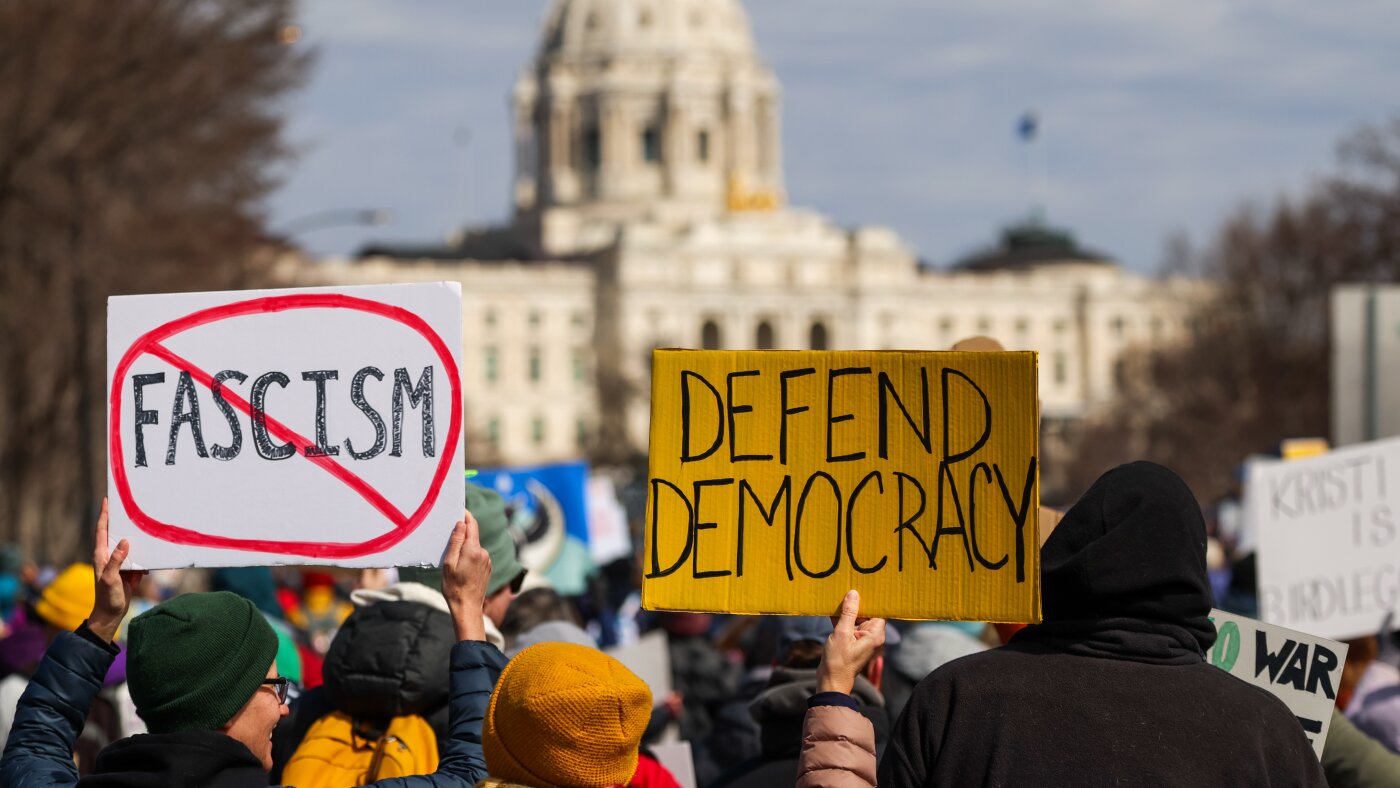
On Saturday, people all across the U.S. joined the “No Kings” protests. They came together in response to issues like President Trump’s immigration policies and the conflict in Iran. This was part of a progressive effort led by a coalition of activists, planning over 3,000 demonstrations, not just in the U.S., but also in places like Mexico and Canada.
This third wave of protests highlighted a feeling among many that Trump’s leadership resembles that of a monarch rather than a democratically elected official. Protesters expressed their concerns, emphasizing their feelings of frustration and a desire for change. For many, attending these rallies was not just about showing discontent but about taking a stand for the values they believe in.
In Washington, D.C., large crowds gathered at the Lincoln Memorial. One protester, Katherine Arnold, voiced her frustrations about the government’s actions, calling for more accountability, especially regarding the potential consequences of military decisions. She said, “It’s frustrating when leaders speak casually about the loss of lives without facing real risks.”
Others echoed similar sentiments. Carina Kagan, whose daughter serves in the military, expressed her fears about a possible deployment. “This war feels pointless,” she said. “It’s alarming to think American lives could be at stake for reasons that seem to benefit only a few.”
A White House spokesperson dismissed the protests, calling them trivial and suggesting they were motivated by partisan interests. However, many demonstrators insisted that their worries were valid and necessary to address in a democratic society.
In places like Fort Myers and Kansas City, creative expressions came to life—people dressed as characters from books and pop culture, symbolizing their dissent and aiming to draw attention to their cause. This was not merely a march; it was a collective statement.
The statistics back up the energy of these protests. Similar demonstrations last October saw about 5 million participants. These gatherings are indicative of a larger social movement, with people across various backgrounds uniting for common goals.
Older activists have also played a vital role, showing that engagement can bridge generational gaps. Bill McKibben, founder of Third Act, highlighted the importance of this intergenerational support, stating it brings diverse voices to the forefront.
Participants believe that civic engagement is more than just voting. Dana Glazer of the Visibility Brigade mentioned that protests like these help forge connections among people who might otherwise feel isolated. “When we come together, we realize we possess the power to create change,” he added.
As activists issue a rallying cry against what they see as authoritarian tendencies in leadership, they are working to inspire more people to get involved. The sentiment expressed by demonstrators reflects a deep desire for a just society, emphasizing that everyone’s voice matters in shaping the future.
—
This compressed version keeps the essence of the original content while enhancing clarity and engagement. It offers a balanced perspective on the protests while incorporating insights about the broader implications of civic participation.
Source link
