
The courtroom echoed with words from Carl Sandburg’s famous poem about Chicago. U.S. District Judge Sara Ellis recited it as she made a crucial ruling about how federal agents handle protests and deportations. She noted that Chicago is a lively city, yet officials try to paint it as a place filled with violence and chaos.
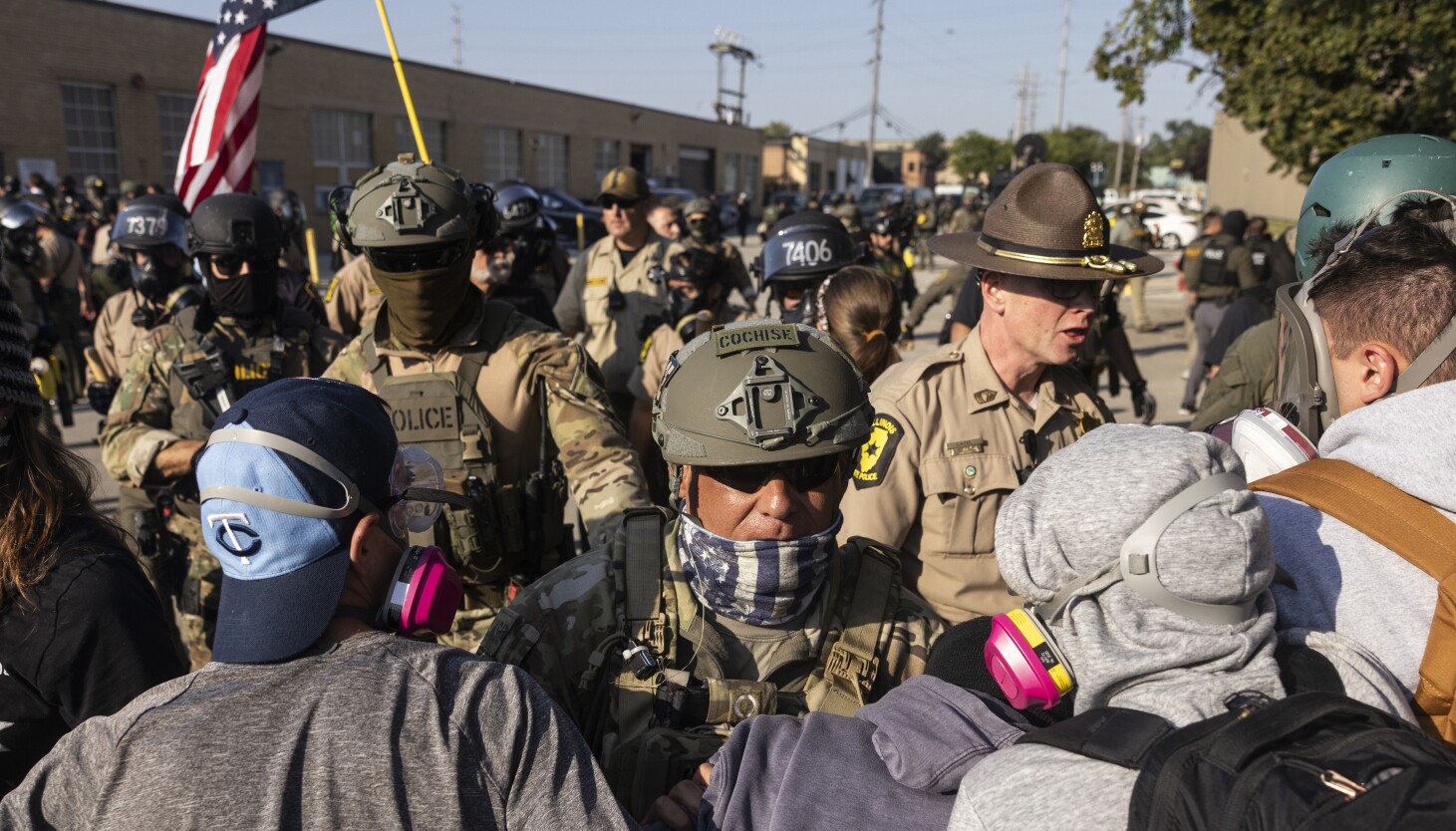
Ellis shared her shock over the excessive force used by federal agents. “The conduct witnessed is beyond belief,” she said. She criticized the Justice Department’s claims about Chicago, stating they lacked credibility, especially after a Border Patrol commander admitted to lying about an incident involving tear gas.
Her ruling included a new order that aims to protect peaceful protesters. It prevents agents from using “riot control weapons” against people who are not a threat and requires agents to display their identifying numbers prominently. This decision comes from a lawsuit filed by local media groups concerned about the treatment of journalists and activists.
During her lengthy statement, Ellis emphasized that a handful of illegal actions by protesters do not justify force against everyone. The people have the right to fair treatment from the government, she insisted. Meanwhile, a spokesperson from the Department of Homeland Security criticized her decision, claiming it endangers law enforcement officers.
The ruling’s implications are significant. It reflects a broader shift in how authorities engage with communities. Recent statistics indicate that police brutality complaints have risen, making this ruling even more critical. A study by the Bureau of Justice Statistics found that incidents of police using excessive force have increased, particularly during protests.
Public sentiment is also shifting. Many on social media are calling for greater accountability from law enforcement. Tactics used in recent protests have sparked conversations online, with hashtags related to police reform trending.
Judge Ellis’s order will likely face appeals, but her ruling represents a vital moment in the ongoing dialogue about justice and community rights. It shines a light on the need for fair practices and accountability, underscoring the importance of voices in the community.
This case adds to a growing history of challenges against federal actions in urban areas. Similar legal battles have emerged in cities across the U.S., signaling a collective push for change. The Chicago ruling could serve as a precedent for other activists fighting for their rights, ensuring their voices are heard loud and clear.
Amid these unfolding events, communities are watching closely. The dialogue between citizens and authorities continues, persuading many to reflect on what a just society looks like.
Source link
