
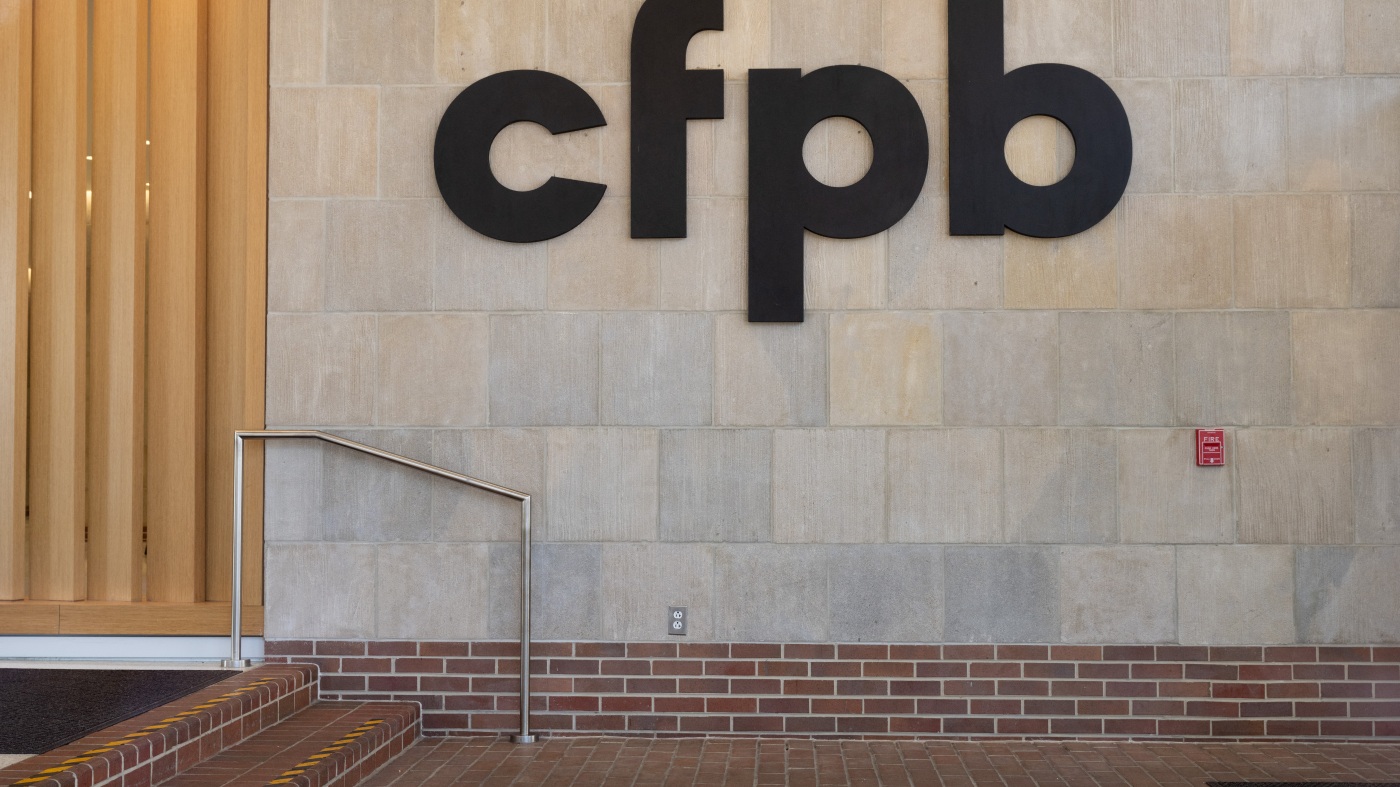
A federal judge recently ruled that the Trump administration must keep funding the Consumer Financial Protection Bureau (CFPB). This agency was set up after the 2008 financial crisis to protect consumers from fraud and unfair practices. Unfortunately, the administration has been trying to undermine it through cuts and staffing changes.
The administration claimed that since the CFPB gets its money from the Federal Reserve, and the Fed is currently operating at a loss, the Bureau has no valid funds. Judge Amy Berman Jackson rejected this argument, stating it would mean closing down the CFPB entirely. She stressed that the agency must continue to operate as intended by Congress and prevent layoffs.
In a separate legal push, 21 states and the District of Columbia have banded together to contest the administration’s funding cuts. They argue the administration incorrectly limits which Federal Reserve funds can support the CFPB, asserting they don’t necessarily have to be profits.
The CFPB has faced criticism, mostly from conservatives who believe it is too aggressive in enforcing consumer laws. Despite the push against it, the agency has returned over $21 billion to consumers, showing its importance in financial regulation.
Historically, the CFPB has had to navigate political resistance since its creation. Experts believe its role is vital in preventing the kinds of fraudulent practices that led to the 2008 crisis. According to a recent survey by the Consumer Financial Protection Bureau, more than 70% of Americans believe consumer protection agencies should be strong and well-funded to ensure fair treatment from businesses.
These legal battles reflect larger tensions in U.S. governance about consumer rights and regulatory oversight. As the CFPB continues its fight for funding and stability, its fate may serve as a bellwether for the broader struggle over consumer protection and financial regulation in the country.
For more detailed information about the CFPB and its impact, you can visit the CFPB’s official site.
