
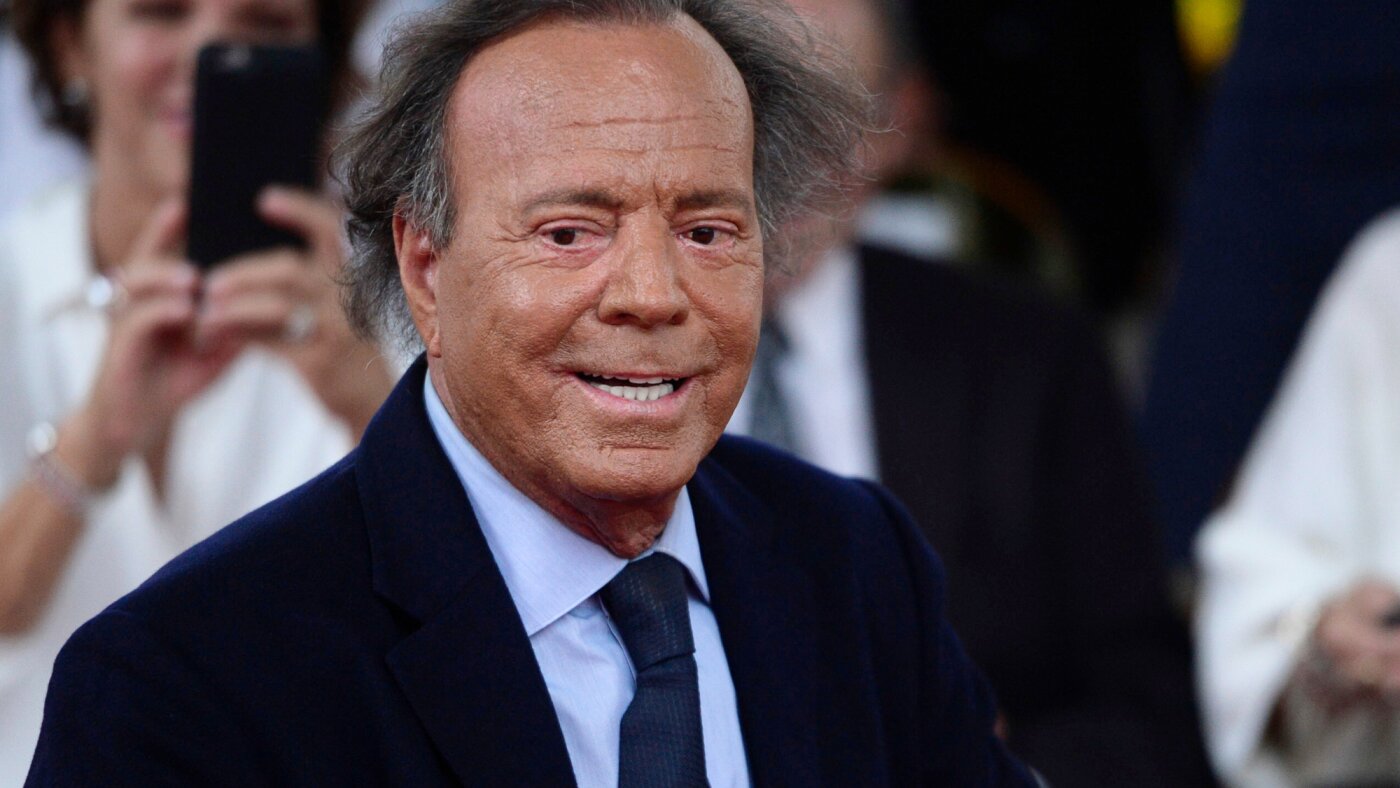
Julio Iglesias, the famous Spanish singer, is under serious scrutiny. Spanish prosecutors are investigating allegations of sexual assault made by two former employees at his residences in the Dominican Republic and the Bahamas. Reports suggest that these incidents occurred between January and October 2021.
The prosecutors’ office confirmed they are looking into these accusations following a formal complaint filed on January 5. Iglesias, who has not yet publicly responded, could eventually face charges in Spain, even for actions that occurred abroad.
Women’s Link Worldwide, a nonprofit supporting the alleged victims, claims the women experienced sexual harassment and human trafficking for forced labor. They described how Iglesias closely monitored their activities and schedules, demanding exhausting work hours without contracts or days off. Gema Fernández, a senior attorney at the organization, stated that Spanish laws on sexual and gender-based violence could play a crucial role in this case.
According to recent data from the World Health Organization, 1 in 3 women worldwide have experienced physical or sexual violence. Cases like these not only highlight individual allegations but also reflect larger societal issues regarding women’s safety and rights. Public support for the women has been growing, with many advocating for justice on social media platforms.
Jovana Ríos Cisneros, the executive director of Women’s Link Worldwide, emphasized the significance of the women being heard as protected witnesses. This legal status is crucial, signaling support from prosecutors as they gather evidence. Yet, there’s no set timeline for when investigators will interview them. Once statements are taken, prosecutors may have up to six months to decide on potential action, which could even be extended to a year.
The investigation has sparked conversations about the responsibilities of public figures in maintaining a safe work environment. Elma Saiz, a spokesperson for the Spanish government, reiterated their commitment to tackling violence against women, underscoring the need for respect in handling such sensitive matters. Meanwhile, Panky Corcino, a representative of the Dominican Republic’s Attorney General’s Office, has stated the necessity of investigating any claims of sexual violence, regardless of formal complaints.
Julio Iglesias, now 82, is one of the most successful artists globally, with over 300 million records sold. He gained fame in the 1970s and 1980s and has accolades like a Grammy Award for Best Latin Pop Performance in 1988 and a Lifetime Achievement Award in 2019. However, the recent allegations put a cloud over his legacy. Spain’s Culture Minister has mentioned the possibility of stripping Iglesias of his Gold Medal of Merit in the Fine Arts due to the severity of the claims.
This situation further advances the discussion on how society, media, and legal systems address allegations against influential figures. As the investigation unfolds, it’s clear that the implications go beyond a single case and touch upon broader laws and cultural standards regarding women’s rights and workplace safety.
