
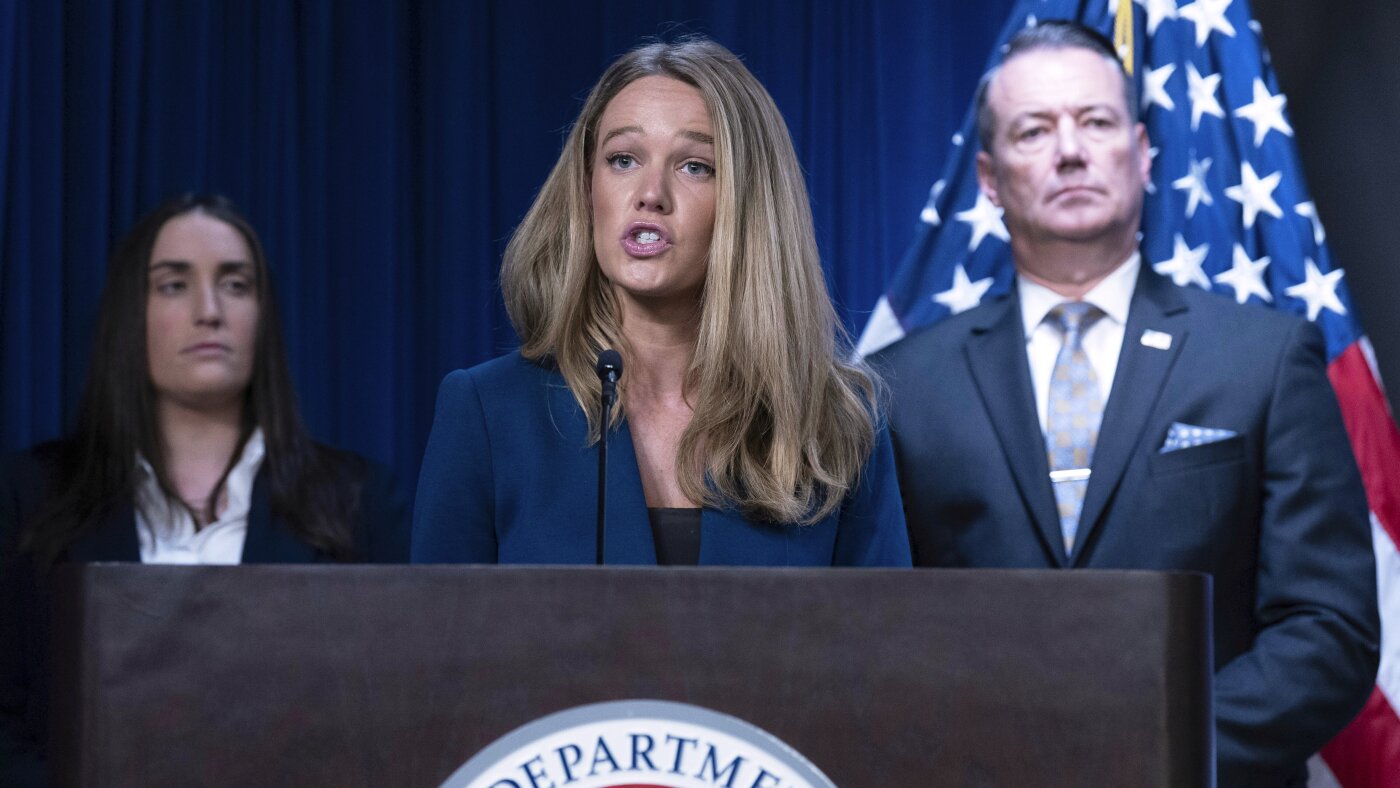
Tricia McLaughlin, the assistant secretary for public affairs at the Department of Homeland Security (DHS), is stepping down from her position, confirmed recent reports. She has been a key spokesperson for the Trump administration’s controversial mass deportation policies over the past year.
McLaughlin’s departure comes during a challenging time for DHS, which is currently facing a budget crisis and ongoing scrutiny following the tragic shootings of U.S. citizens by federal immigration agents. She planned to leave earlier, but delayed her exit amidst the fallout.
The details of her next steps remain unclear, and DHS has not announced a successor. McLaughlin has become a prominent figure in public discussions, often defending DHS’s immigration actions in interviews across various media platforms. Recently, she addressed questions about the agency’s responses to natural disasters, showcasing her range beyond immigration issues.
Her exit sparked reactions on social media, with House Minority Leader Hakeem Jeffries commenting, “Another MAGA extremist forced out of DHS. Noem next.” This reflects a growing tension surrounding the current administration’s immigration policies, which have faced criticism from both sides of the political spectrum.
Historically, the role of DHS spokesperson has often been contentious, especially during periods of heightened immigration enforcement. In recent years, tensions peaked during protests against ICE raids and calls for reform in immigration policies, highlighting the complexities and challenges of this position.
Experts in public policy emphasize the impact of effective communication in government roles, especially during crises. Dr. Maria Rodriguez, a political analyst, stated, “In times of turmoil, the voice of an agency can shape public perception and trust. McLaughlin’s tenure illustrates how contentious the relationship between government and public sentiment can be.”
The recent departures from DHS signal changes in leadership at a time when the agency is under increased scrutiny. Regular surveys reveal that public trust in immigration enforcement is low, with a Pew Research Center study from early 2023 indicating that only 38% of Americans support the current immigration policies.
As McLaughlin moves on, the future of DHS communications remains uncertain. How the agency adapts its messaging will be crucial for restoring public confidence and navigating the ongoing challenges in immigration enforcement.
Source link
