
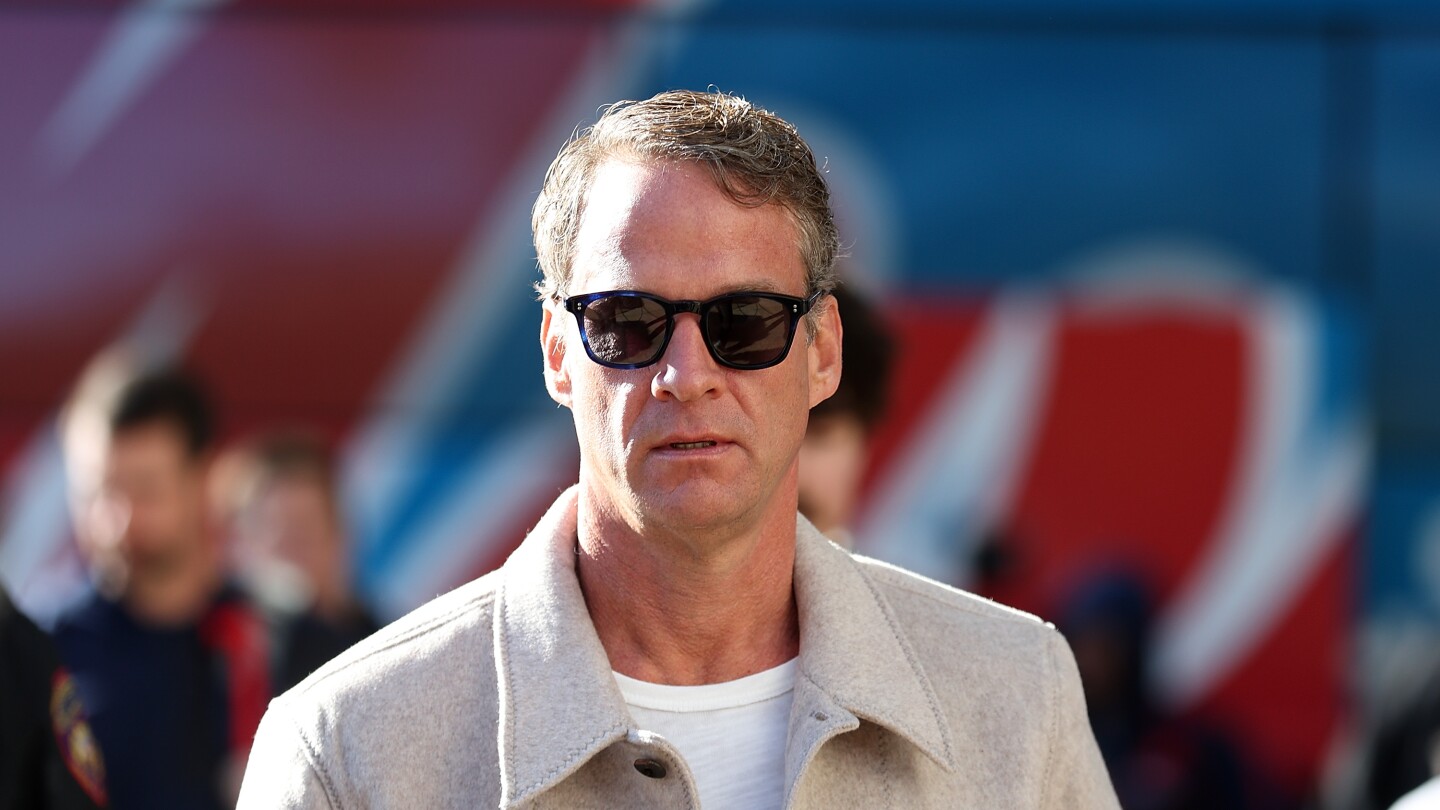
Lane Kiffin is in a tight spot right now. He seems to be juggling his commitment to Ole Miss while eyeing a big opportunity at LSU. Reports suggest that LSU thinks Kiffin has accepted a deal worth over $90 million to coach their team. However, Kiffin may prefer to finish the season with Ole Miss, which includes a chance to compete in the College Football Playoff.
Kiffin recently had a lengthy meeting—over three hours—with Ole Miss Athletics Director Keith Carter and Chancellor Glenn Boyce. This suggests he’s weighing his options carefully. Meanwhile, LSU plans to send planes to bring Kiffin and his family to Baton Rouge, indicating they’re serious about his potential move.
An insider expressed concern, saying, “If he doesn’t come, we’ve been duped.” This highlights the uncertainty surrounding his future—both at Ole Miss and LSU.
In many ways, Kiffin finds himself at a crossroads. He could finish strong at Ole Miss, but the allure of LSU is hard to resist. The tension lies in how both schools will respond. LSU might insist he commits now or never, while Ole Miss may want to push him out if he’s not staying.
This scenario showcases a broader issue in college sports: coaches can be pursued before their seasons end, creating messy situations like this. There’s a need for change in how coaching transitions are handled to avoid such dilemmas in the future.
—
### Expert Take:
In the football world, timing is everything. According to Dr. Emily Hart, a sports psychologist, “Decisions made under pressure can lead to regret. Kiffin needs to think carefully about what’s best for his career and personal life.” This kind of insight highlights the mental strain coaches face during such transitions.
### Recent Trends:
Social media is buzzing with opinions on this situation. Fans are divided, with some supporting Kiffin’s move to LSU and others urging him to remain loyal to Ole Miss. Polls on Twitter show that many fans feel he should stay put, reflecting loyalty to his current team.
### Context:
Historically, coaches like Kiffin have faced similar dilemmas. Notable coach Urban Meyer famously switched teams multiple times, raising questions about loyalty and commitment in college football. As the landscape of college sports evolves, the conversation about coaching ethics will likely continue.
By focusing on these dynamics, we can better understand the complexities of college sports and the decisions that shape them.
Source link
