
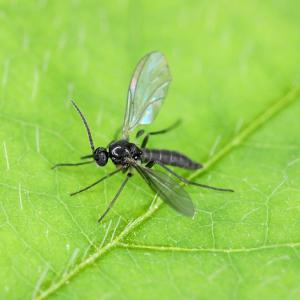
When you bring home a new plant, the excitement is real, but take a moment before placing it among your other greenery. It’s tempting to group it right away, but it’s wiser to keep it separated at first. Your new plant could carry fungus gnats, tiny pests that can quickly turn into a big headache for your entire plant collection.
Fungus gnats look like small mosquitoes and thrive in damp soil. While the adults don’t harm your plants, their larvae can damage roots and stunt growth. These pests often hitch a ride on plants from nurseries, where they are quite common. Even potting mixes with decomposing organic matter can harbor them.
Quarantining Your New Plant
To protect your existing plants, isolate your new addition in a different room, or use a bag or clear container if space is tight. Make sure it still receives adequate light. Adult gnats are easy to spot, but their eggs can hide in the soil. They hatch quickly, so be cautious. It’s best to keep your new plant quarantined for several weeks, not just a few days.
During this quarantine, regularly check for signs of gnats or their larvae. You can even bury a piece of raw potato in the soil; if larvae are present, they’ll be attracted to it. If you notice wilting, yellowing leaves, or poor growth, inspect closely. This time can also be used to look for other pests like mealybugs or spider mites.
What If You Find Fungus Gnats?
It’s disappointing but common to find pests on a new plant. Fortunately, controlling fungus gnats is manageable. The first step is to reduce watering. Let the top of the soil dry out between waterings, which disrupts their breeding cycle. Improving drainage by adding materials like perlite to your potting mix can also help.
To catch any adult gnats, sticky traps placed near the plant can be very effective. If you need additional help, consider using mosquito dunks. These products target the larvae in the soil and prevent new gnats from hatching. Simply dissolve a piece in your watering can.
If you’ve checked thoroughly and still find a heavy infestation, it might be best to say goodbye to your new plant. On the other hand, if your plant stays gnat-free for a few weeks, it can rejoin your plant family without worry.
A little diligence when bringing home a new plant can save you from the frustration of a widespread pest problem later on. Happy planting!
Source link
Fungus gnat, gnats
Related Posts

How Mass Firings of Federal Workers Threaten Vital Energy and Environmental Protections
Tragic Loss: Octavio Dotel, MLB Star Who Pitched for 13 Teams, Dies in Roof Collapse in the Dominican Republic
Pamela Anderson Speaks Out on Oscar Snub: “The Real Victory Lies in the Journey” | CNN
Elena Rybakina Triumphs at Australian Open, Defeating Junior World No. 1 in Exciting Opener!


Unlocking Opening Day: Celebrating Soto, Baker, and the Excitement of New Beginnings
Unlocking the Future: Lessons from Science Fiction on AI’s True Potential and Pitfalls
Surprising Insight: Meghan Markle Aimed for Vanity Fair Cover for Charity, Not Prince Harry Romance, Reveals Former Editor
Unpacking the Sony Saga: Inside the Lively vs. Baldoni Showdown


