
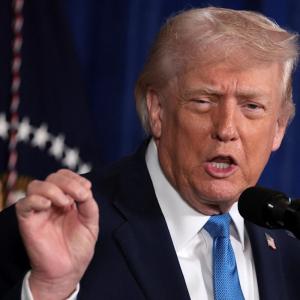
President Trump stirred the pot recently by suggesting the U.S. might impose new tariffs on countries opposing a potential U.S. acquisition of Greenland. He said, “I may put on a tariff on countries if they don’t go along with Greenland because we need Greenland for national security,” during a healthcare roundtable.
Trump didn’t delve into specifics about these tariffs, quickly shifting focus back to healthcare. This came on the heels of tense discussions with Denmark, which is responsible for Greenland’s defense, about the island’s future.
Trump’s renewed interest in Greenland follows significant U.S. actions in Venezuela, raising questions about his strategic ambitions. He’s previously mentioned, “One way or the other, we’re going to have Greenland,” expressing a preference for a negotiated deal.
The situation has become more complex. NATO allies including Germany, France, Sweden, and Norway are now sending military personnel to Greenland for what they describe as reconnaissance missions. Meanwhile, Denmark’s foreign minister has pointed out that there’s still a “fundamental disagreement” between Denmark and the U.S. regarding control over the island.
This is not just a diplomatic spat. Greenland possesses valuable natural resources, including minerals and oil, and its location is key for military strategy. A survey from the Arctic Institute found that 63% of experts believe Greenland’s geostrategic importance will only grow in coming years due to climate change and melting ice cap opportunities.
Public sentiment around this issue is mixed. Many see Trump’s comments as a power play, spurring discussions across social media about nationalism and international relations. A recent Twitter trend labeled #GreenlandDebate has sparked conversations about the ethical implications of such territorial ambitions.
As tensions rise, it’s clear that the future of Greenland holds significant weight for U.S. foreign policy and international relations. Understanding its geopolitical significance might be crucial as we navigate these complex discussions. For more insights on Arctic strategies, you can explore reports from the Arctic Institute.
Source link
President Trump, Supreme Court, global duties, trade partners
