
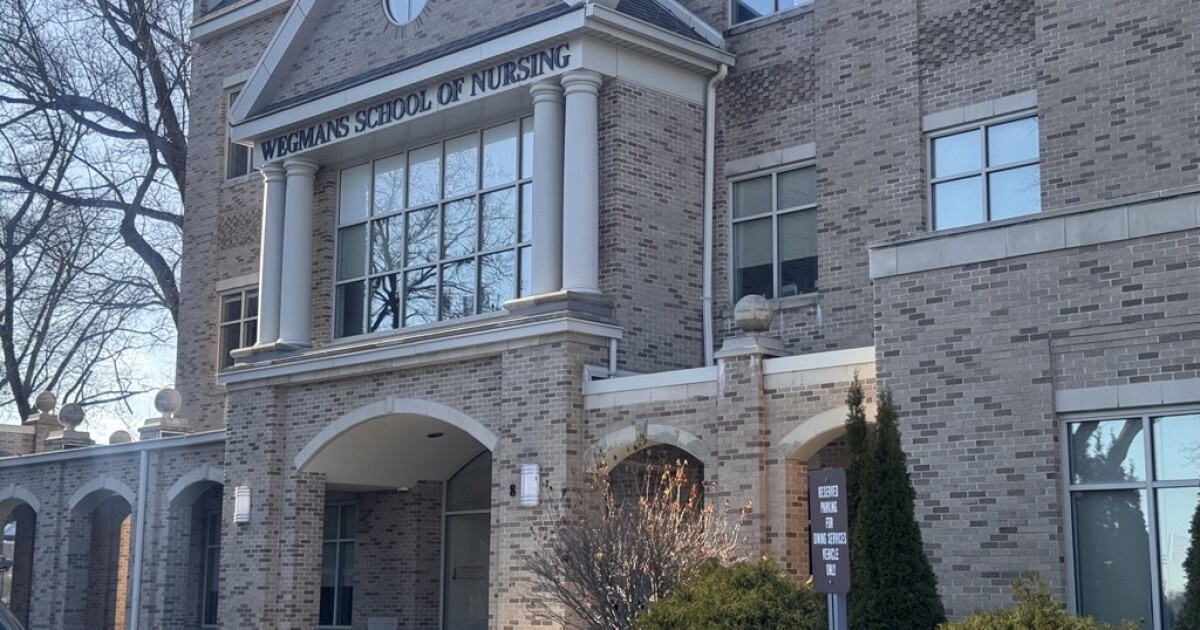
The Wegmans School of Nursing at St. John Fisher University is analyzing how to manage a proposed federal cap on student loans for some graduate programs. This potential limit is part of a rule change by the Trump administration that may not classify graduate-level nursing programs as professional degrees. This change could impact nursing programs significantly, especially those for physician assistants and nurse practitioners.
Tricia Gatlin, the dean of the nursing school, expresses concern over these changes. She highlights the importance of strong ties with potential employers, who may offer scholarships to help students financially. “I would be crazy not to say that I’m worried,” she admits but remains hopeful that the university can provide more flexible options for students to work while studying.
Gatlin emphasizes the need for innovative solutions tailored to student success. “We are committed to exploring all avenues,” she says.
A recent survey by the American Association of Colleges of Nursing shows that many deans worry the loan cap will negatively affect enrollment and faculty recruitment, which is crucial since many nurses with advanced degrees become educators. “This could threaten public safety and healthcare outcomes,” warns Gatlin. With the current healthcare shortage, she expresses concern about interest in the nursing profession declining.
The Department of Education argues that most nursing students already borrow less than the proposed cap. However, Celia McIntosh, a nurse practitioner and immediate past president of the Rochester Black Nurses Association, fears that excluding nursing from professional degree categories and capping loans could destabilize the profession. “Without enough nurse practitioners, we risk reducing patient access to necessary healthcare,” she explains.
Historically, nursing has been a cornerstone in healthcare, making up a significant portion of the workforce. According to the Bureau of Labor Statistics, employment of nurse practitioners is expected to grow by 52% from 2020 to 2030, much faster than the average for all occupations. Given these statistics, any shifts in policy that might deter individuals from entering this field could have long-lasting ramifications.
In this uncertain climate, university leaders and healthcare professionals must collaborate on strategies to support nursing education and ensure a robust future workforce.
Source link
