
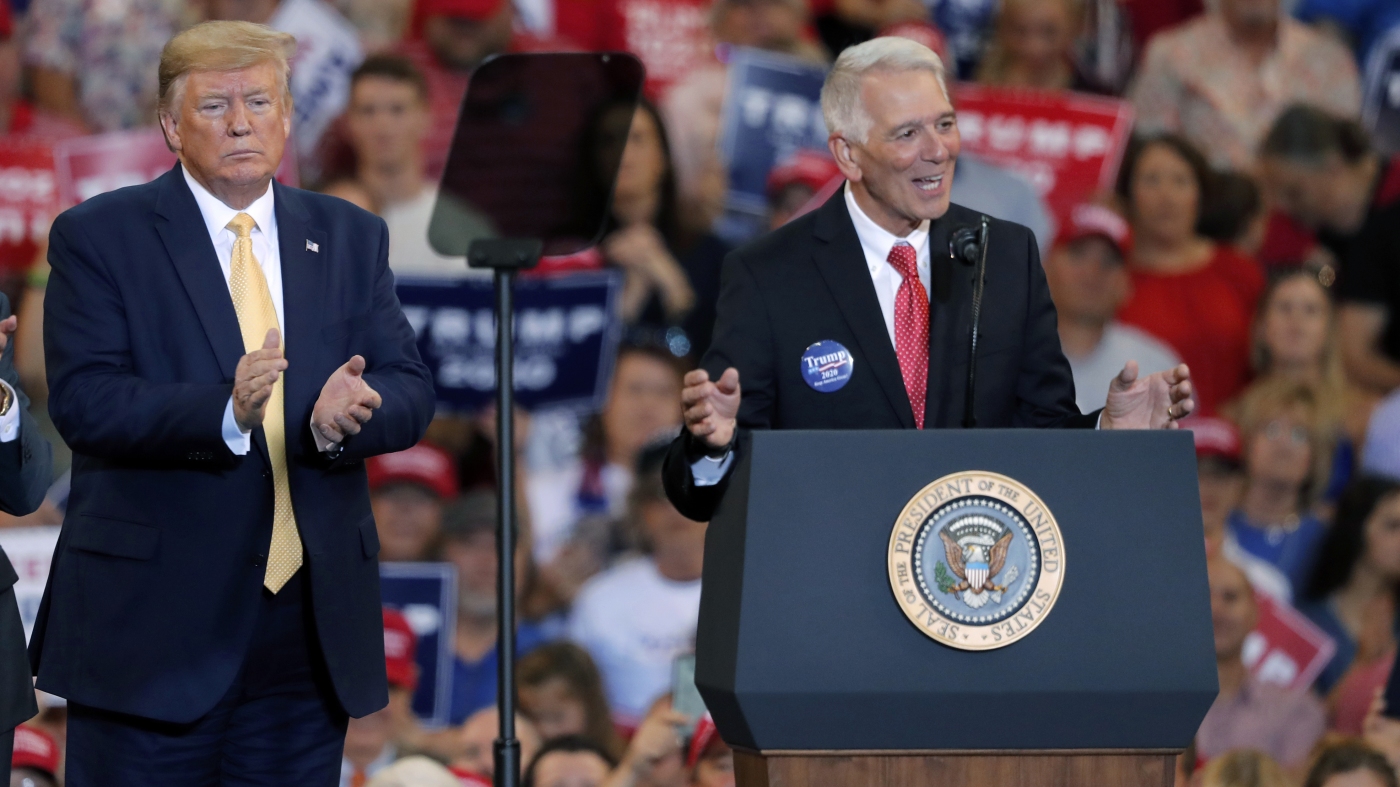
Dr. Ralph Abraham’s New Role at the CDC: Concerns and Implications
Dr. Ralph Abraham has recently been named the second-in-command at the Centers for Disease Control and Prevention (CDC). He previously led Louisiana’s health department and has stirred controversy with his views on vaccines, particularly the COVID vaccine. Many are worried about how his appointment could affect public health policy, especially during a pandemic.
Abraham, a former congressman and practicing physician, has been vocal about his concerns regarding vaccine safety. He has labeled COVID vaccines as “dangerous” and even opposed his own department’s promotion of vaccinations. This stance puts him at odds with much of the public health community, which views vaccines as crucial to controlling infectious diseases.
Critics highlight that Abraham’s appointment follows the resignation of Dr. Nirav Shah, the previous principal deputy director, who described Abraham’s selection as “atrocious.” This change raises alarms about the CDC’s future direction. Shah pointed out that Abraham’s medical degree may lend unwarranted credibility to anti-vaccine rhetoric that could undermine trust in scientific evidence.
Experts are not the only ones worried. Social media has been abuzz with reactions, reflecting both support and concern. Many users express dismay over the implications for public health and safety. Statistics show that vaccination campaigns have significantly reduced infections and outbreaks; for instance, the CDC reported just 387 cases of whooping cough in Louisiana recently, marking the worst outbreak in 35 years. Early infant deaths during this outbreak cast further shadows on Abraham’s record of promoting vaccine hesitance.
Former CDC official Anne Schuchat voiced her fears, calling Abraham’s appointment “scary.” Her experience underscores the critical need for strong public health leadership, particularly during crises. The role involves overseeing CDC’s response to outbreaks and ensuring community health, responsibilities that may be compromised under Abraham.
There is historical context to consider as well. In the past, public health figures have often faced scrutiny for their pandemic responses. Comparing Abraham’s views with those of public health leaders who advocated for vaccine education during previous outbreaks shows a worrying trend away from science-based health strategies.
Dr. Lawrence Gostin from Georgetown University labeled Abraham’s appointment as “irresponsible,” warning it could further erode trust in the CDC, an essential institution in managing public health crises. With the potential for another pandemic looming, experts insist that aligning health policy with scientific evidence is more crucial than ever.
As public discourse continues, many are left wondering how this shift at the CDC will play out. Will it change how vaccines are perceived? Will it affect overall public trust in health institutions? These questions remain open as Dr. Abraham prepares to step into his new role.
In closing, the implications of Abraham’s leadership at the CDC could reach far beyond his immediate department. The health community and the public will be watching closely, hoping for transparent, science-driven decisions that prioritize the well-being of all.
