
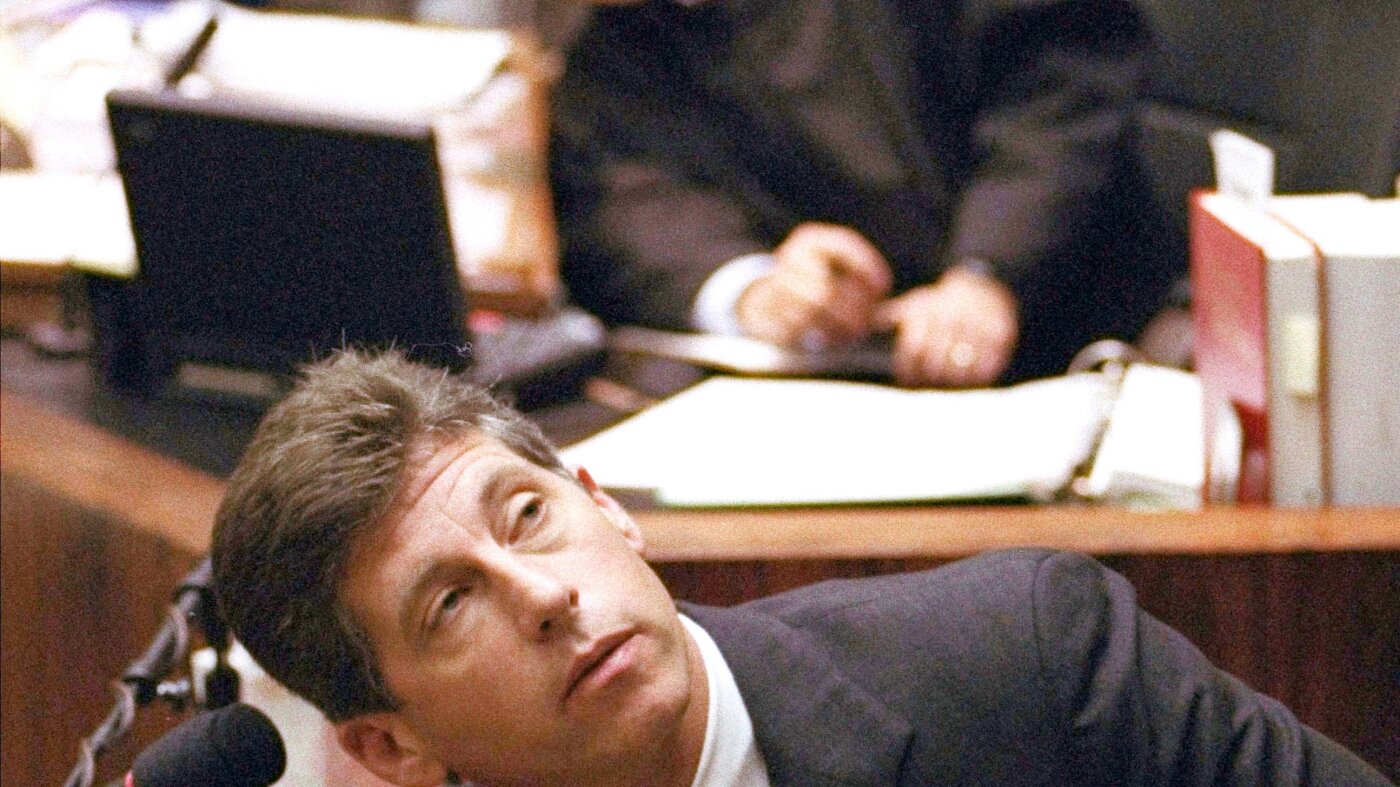
Former Los Angeles police detective Mark Fuhrman, known for his role in the O.J. Simpson murder trial, has passed away at 74. He was one of the initial detectives on the case involving the 1994 killings of Nicole Brown Simpson and Ronald Goldman.
Fuhrman discovered a bloody glove at Simpson’s home. However, his credibility took a hit during the trial. The defense questioned his integrity, suggesting racial bias influenced his findings. Under pressure, Fuhrman claimed he hadn’t used racial slurs in ten years, but recordings contradicted him. This raised doubts about his reliability and played a significant role in the trial’s outcome.
Lynn Acebedo of Kootenai County, Idaho, confirmed Fuhrman’s death on May 12, though the cause remains undisclosed. Alan Dershowitz, a key lawyer in Simpson’s defense, noted, “Fuhrman was a better detective than a witness.” He praised Fuhrman as smart and aggressive, acknowledging that Fuhrman’s past statements unwittingly helped the defense win the case.
After the trial, Fuhrman left the LAPD and settled in Idaho, where he managed a 20-acre farm raising farm animals. He faced legal troubles later, including a perjury charge in 1996, which he pleaded no contest to. Fuhrman went on to write “Murder in Brentwood,” detailing his experiences during the trial.
O.J. Simpson was acquitted of murder but later found liable in a civil case, ordered to pay $33.5 million to the victims’ families. Simpson spent nine years in prison for unrelated charges and passed away in 2024 from prostate cancer.
Kato Kaelin, also involved in the trial, offered condolences via social media, reflecting on the lasting impact of the trial on their lives.
Historically, the O.J. Simpson trial highlighted critical issues around race, justice, and media influence in legal proceedings. It remains one of the most discussed criminal cases in American history.
Fuhrman’s legacy is complex. He played a pivotal role in a trial that shaped public perception of law enforcement and racial dynamics. As society continues to grapple with these issues, conversations about Fuhrman’s impact remind us of the lessons learned from such high-profile cases.
For more on the ongoing discussions about systemic justice and race in America, you can refer to studies from the Pew Research Center.
