
Federal Ruling Protects Peaceful Protesters in Minnesota
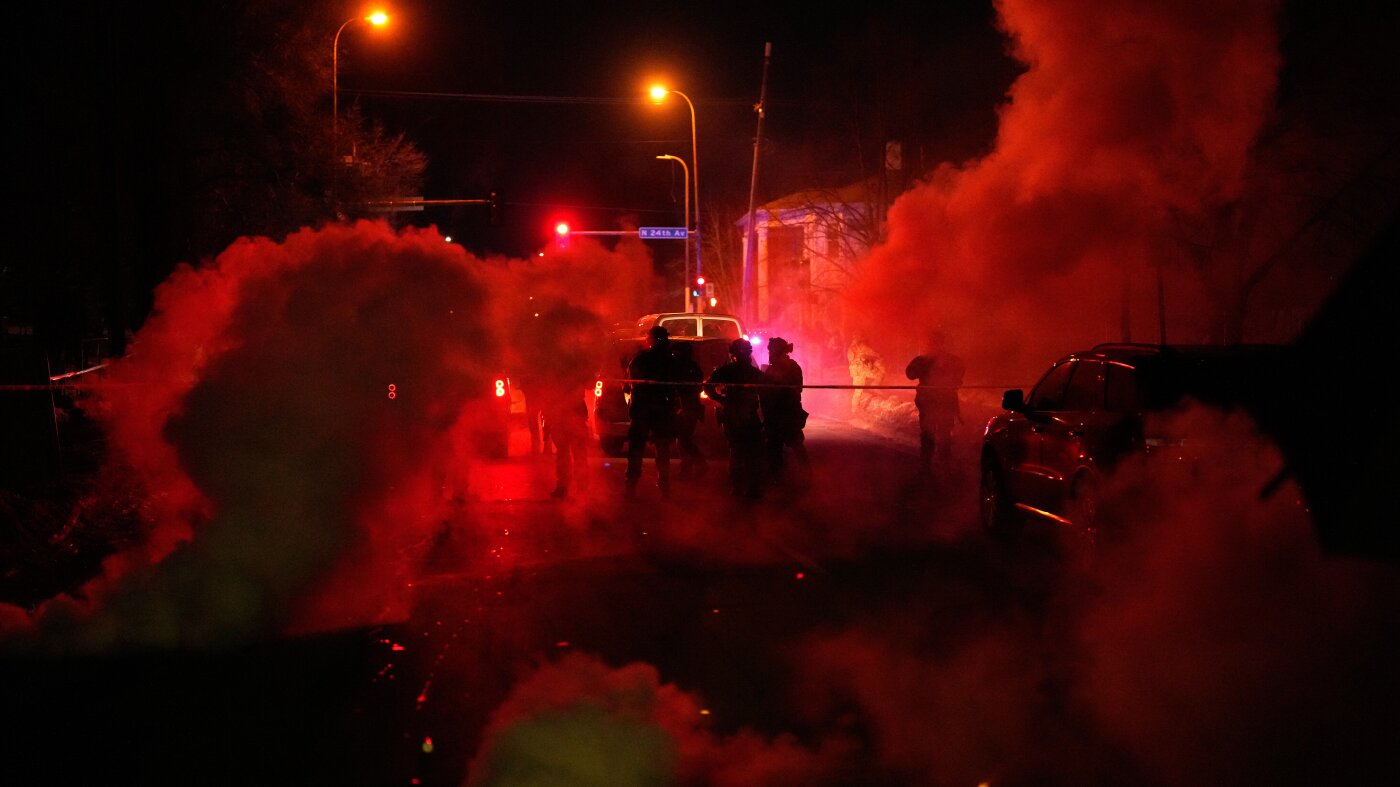
A recent ruling by U.S. District Judge Kate Menendez has important implications for peaceful protesters in Minnesota. The judge decided that federal officers, involved in a large immigration enforcement operation, cannot detain or use tear gas on protesters who are not obstructing their work. This ruling comes amidst heightened tensions in the Minneapolis-St. Paul area, where federal agents have been enforcing immigration policies.
The case was brought forth by six activists who have been monitoring Immigration and Customs Enforcement (ICE) actions since December. Tensions escalated significantly after a tragic incident where an ICE agent fatally shot a 37-year-old woman, Renee Good, during a police operation. The shocking event, captured on video, intensified community scrutiny of federal practices.
Beyond the legal ramifications, this issue has sparked significant social media conversations. Many locals have expressed their outrage and concern, highlighting the ongoing struggle for civil rights. Stats show that protests against immigration enforcement have surged by nearly 30% over the past year, reflecting a growing movement in defense of both human rights and community safety.
Judge Menendez emphasized that agents can only detain individuals if there is reasonable suspicion of wrongdoing. Observing federal operations from a safe distance does not justify a stop or arrest. This ruling is a win for civil liberties, reinforcing the right to protest peacefully without fear of excessive force.
The ruling has also sparked reactions from officials. Tricia McLaughlin, an assistant secretary at the Department of Homeland Security, claimed that their enforcement measures are necessary to protect the law and public safety. She warned against obstructing law enforcement, labeling such actions as felonies.
The American Civil Liberties Union of Minnesota, representing the protesting activists, appreciates the ruling as a step toward safeguarding constitutional rights. They argue that the rights of all citizens—especially marginalized communities—should be upheld.
Looking at historical context, this ruling reflects a broader trend in the U.S. where courts are becoming increasingly protective of demonstrators’ rights. Similar cases during the civil rights movements of the 1960s set precedents for today, reminding us that the struggle for rights is ongoing.
As this situation develops, it’s clear that the conversation surrounding immigration enforcement and civil rights in America is far from over.
