
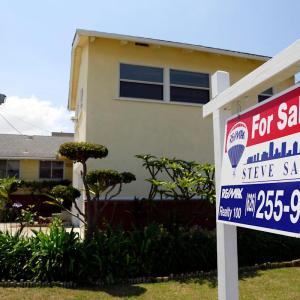
Mortgage rates are on the rise again. Recently, they jumped to an average of 6.12% for a 30-year mortgage, according to Mortgage News Daily. This increase comes after a period of lower rates, highlighting how quickly conditions can change.
The recent spike correlates with geopolitical tensions, particularly the US-Israeli strikes on Iran. Such events often lead to rising oil prices, which can, in turn, influence inflation. As oil prices surged nearly 6% to $71 a barrel, fears grew about inflation rising, causing investors to shy away from safe options like Treasury bonds. Consequently, yields on these bonds climbed, impacting mortgage rates.
Historically, major conflicts in the Middle East show that although rates may spike initially, they often stabilize or decline afterward. For instance, after conflicts in 2003 and 2020, rates trended lower despite the initial volatility. Jimmy Vercellino, a mortgage loan originator, points out this pattern: “Typically, when wars break out, we see initial rate spikes, but they generally decrease over time.”
As of today, here are some key mortgage rates:
- 30-year fixed: 5.81%
- 15-year fixed: 5.32%
- 5/1 ARM: 5.82%
- 30-year VA: 5.41%
These figures are national averages, so actual rates may differ based on location and the borrower’s financial circumstances.
If you’re considering whether to opt for a 15-year or a 30-year mortgage, know that each has its pros and cons. A 15-year mortgage typically has a lower interest rate, but your monthly payments will be higher. Conversely, a 30-year mortgage offers lower monthly payments, making homeownership more accessible.
It’s worth noting that adjustable-rate mortgages (ARMs) can be attractive due to lower starting rates. However, it’s vital to weigh the risks, as rates can increase significantly after the introductory period. ARMs are ideal for buyers planning to sell before the rate adjusts.
To get better mortgage rates, focus on improving your credit score and reducing your debt-to-income ratio. Those with higher credit scores and larger down payments often secure the most favorable rates. Additionally, buying down the interest rate at closing is a strategy to consider. Whether paying for discount points or using a temporary buydown, evaluate if the long-term savings justify the upfront costs.
As interest rates fluctuate, staying informed is essential. Following trends and understanding historical patterns can help you navigate the mortgage landscape. With current predictions estimating a consistent average rate around 6%, keeping an eye on economic shifts is crucial for potential homebuyers.
For more up-to-date mortgage rate information, visit Zillow.
Source link
Mortgage rates, Current mortgage rates, mortgage refinance rates, mortgage rate, interest rate
