
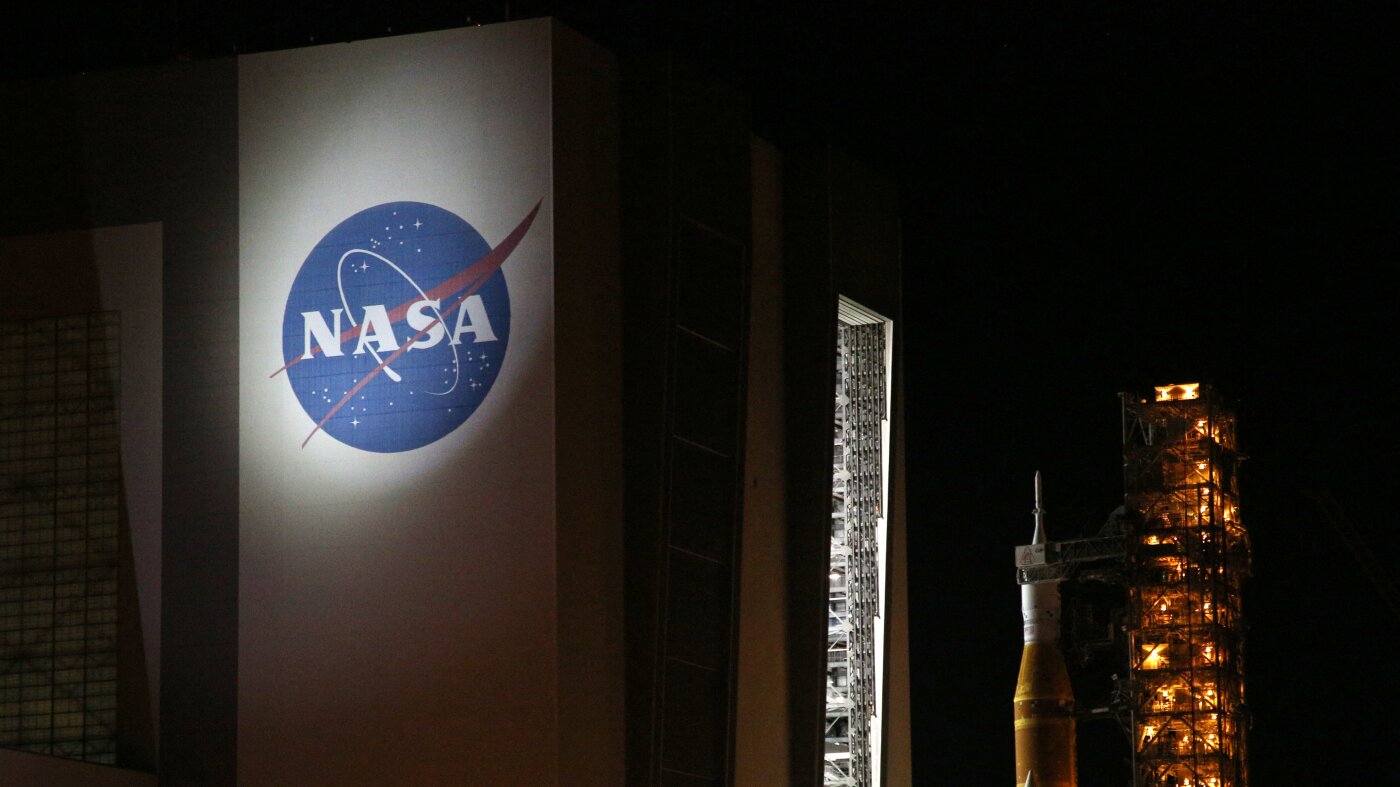
ORLANDO, Fla. — NASA’s plans to return humans to the moon are shifting. Instead of sticking to the old timeline, they’re taking a new approach with their Artemis missions.
NASA is launching the Artemis program, aiming to send astronauts back to the moon for the first time since 1972. The Artemis I mission already went off in November 2022, sending an uncrewed Orion spacecraft around the moon. The Artemis II mission, which will have a crew of four, is set for April but is currently grounded due to some technical problems.
NASA Administrator Jared Isaacman commented that the time gap between missions highlighted the need for change. The Artemis II mission is facing delays partly because of helium pressurization issues and a leak in the liquid hydrogen system, which is crucial for propelling rockets.
Isaacman emphasized that re-evaluating their processes is vital when facing the same technical issues from one mission to the next.
To keep momentum, NASA is modifying its launch plans. They will now focus on staying in Earth’s orbit with the Artemis III mission to practice key maneuvers. Future missions, Artemis IV and V, will send astronauts to the moon’s surface using landers developed by companies like SpaceX and Blue Origin.
Isaacman aims for frequent launches — potentially every ten months. For context, the Apollo missions had an average of five months between launches, with some happening even more rapidly.
This change mirrors some strategies from the historic Apollo missions. Isaacman noted that NASA understands the importance of learning from past successes as they move forward.
In a broader context, the launch delays have stirred conversations and debates online, with some users expressing frustrations about the setbacks on social media. NASA is keen to get back on track, not just for the science but also for inspiring the next generation of explorers.
To ensure consistent progress, NASA plans to standardize its rocket design while increasing its workforce and transitioning some contractors to full-time roles.
With Artemis II’s next launch hopefully aimed for early April, the world is watching closely as NASA charts its new course back to the moon.
For more details on NASA’s ongoing lunar progress, you can check their official updates here.
