
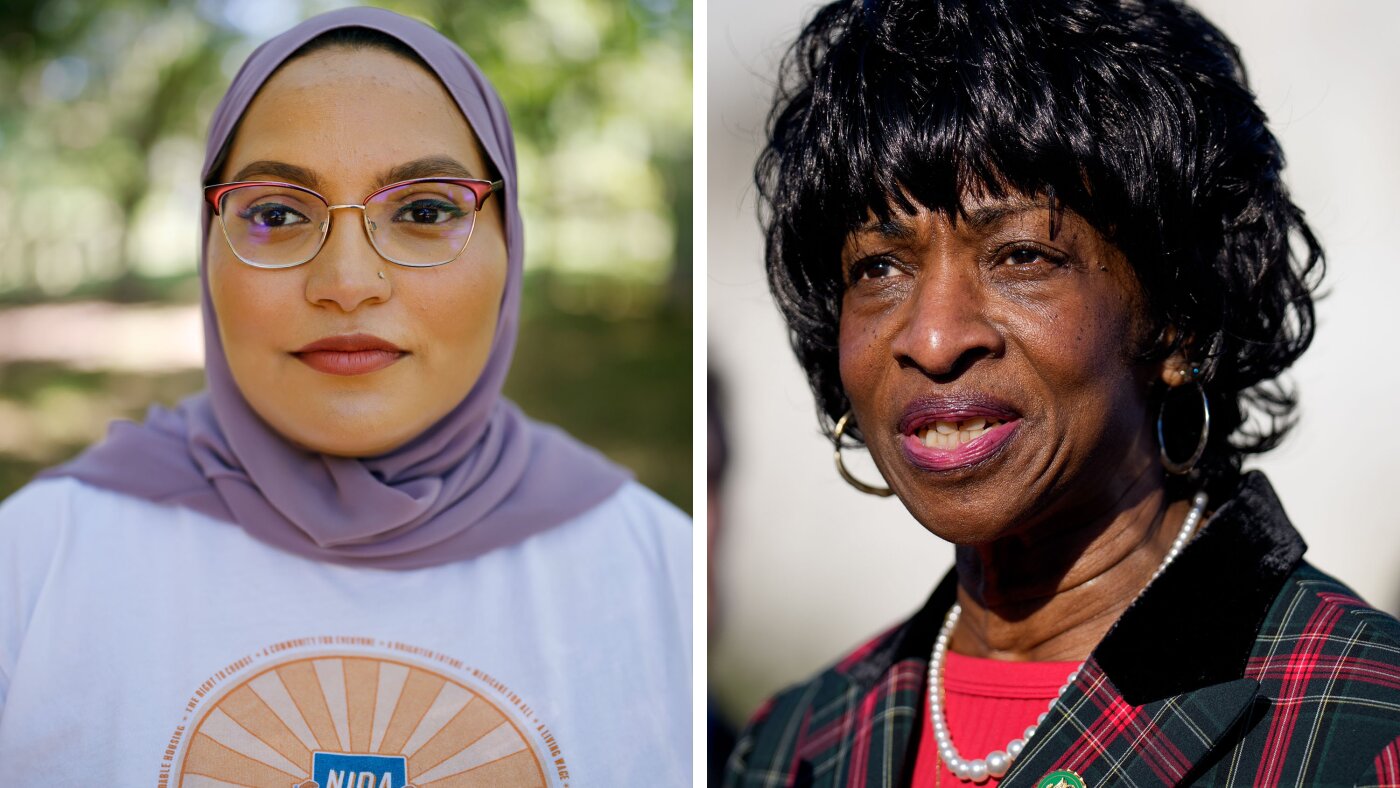
In North Carolina, voters are getting ready for the first statewide primary this year. The spotlight is on the fourth congressional district, where two Democrats are battling it out: incumbent Rep. Valerie Foushee and challenger Nida Allam. This race reflects a significant shift in the Democratic party, especially after President Trump’s election in 2024, where voters are now looking for candidates who align more with progressive ideals.
Foushee is aiming for her third term, but Allam is gaining traction with support from influential figures, including Senator Bernie Sanders. Allam’s platform includes a strong stance against immigration policies, calling for more accountability in federal enforcement. She has openly criticized Foushee for not taking a firmer stand, especially during incidents involving ICE in their state.
This election isn’t just about personalities; it reflects larger national trends. A recent study from the Pew Research Center found that nearly 60% of voters identify more with progressive candidates than establishment figures. Activist groups are funneling substantial resources into this race, hoping to reshape the Democratic caucus in Congress.
Outside spending has soared, with some PACs already investing over half a million dollars to support Allam. This reflects a growing national focus on local elections as grassroots movements gain momentum. Similar dynamics were seen recently when Analilia Mejia secured a surprising win in New Jersey, showcasing an appetite among voters for change.
Both candidates are addressing pivotal issues like the Israel-Palestine conflict and AI development in the state. Allam, North Carolina’s first Muslim woman elected official, argues that Foushee has been too supportive of Israel, especially given her past endorsements from pro-Israel groups. In contrast, Foushee has begun co-sponsoring legislation to limit military aid, marking a significant shift in her approach.
Voter sentiment is mixed. Enthusiastic supporters like Kyle Barber feel energized by Allam’s message. “I haven’t felt this excited to vote in years,” he shared. But others, like Melissa McCullough, believe Foushee offers essential experience and credibility. “Now isn’t the time to take a risk on someone new,” she stated.
In addition, the emergence of issues surrounding AI and data centers has turned into another focal point. Allam supports a moratorium on new data centers, while Foushee believes these decisions should rest with local governments—a view backed by endorsements from numerous political figures across North Carolina.
As the primary approaches, this race signifies more than just a local election; it could hint at larger changes within the Democratic party, making it one to watch closely. The dynamics in play here are not just about policies but reflect a deep desire for new leadership among voters. The outcome may offer insights into the future of American politics and how grassroots movements can reshuffle entrenched party lines.
