
The Trump administration is proposing a rule change that could significantly increase political control over billions of dollars in federal research grants. The rule, if implemented, would affect various research fields, most notably in health and science, but also in housing and transportation.
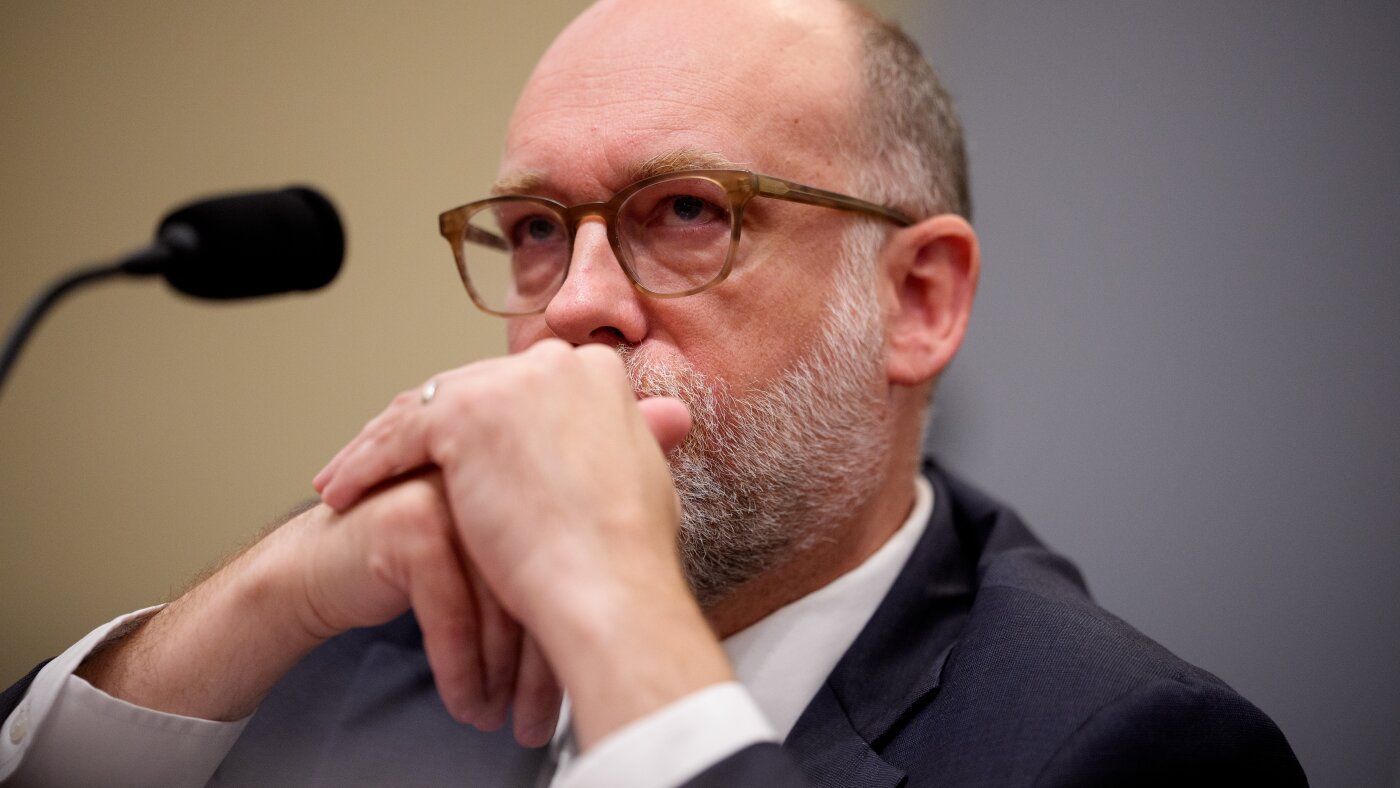
White House Office of Management and Budget Director Russell Vought addressed the House Budget Committee regarding the potential changes. Critics within the scientific community fear that the proposed adjustments could undermine the integrity of research funding, traditionally based on a peer-review system that ensures the quality and relevance of scientific proposals.
The proposed modifications were published in the Federal Register on May 29 and are believed to align with the administration’s goal of reducing certain areas of research while promoting its policy priorities. Experts assert that this approach could adversely affect diverse scientific fields, including public health, vaccine testing, and climate science.
Advocacy groups across the country are mobilizing against the proposed changes. Cole Donovan, a policy analyst from Stand Up for Science, stated, “This would be the end of American science as we know it.” He emphasized the need for a concerted effort to prevent the changes from being enacted.
Historically, the U.S. scientific community has relied on peer review to maintain research integrity, with federal agencies typically adopting recommendations from independent advisory committees. Under the new proposal, while peer review would technically remain, the requirement for political appointees—who may not have scientific backgrounds—to review grant proposals could compromise this system. Critics argue that this change effectively grants political officials veto power over scientific projects.
Tim Snyder, a historian, expressed concern during an online forum, comparing the situation to “late Stalinism.” He warned of the dangers posed by non-scientists making critical research decisions. Additionally, the Infectious Diseases Society of America remarked that the proposed rule could substitute scientific merit with political agendas reminiscent of the McCarthy era.
The Office of Management and Budget asserts that the rule change aims to enhance efficiency in identifying and rectifying waste and abuse within research funding. However, critics have countered that there is no substantial evidence indicating that the current peer-review process requires such major alterations.
The proposed rule is also said to ban research on topics related to diversity, equity, and inclusion while imposing restrictions on international scientific collaborations. Donovan noted the importance of global partnerships in high-impact research.
Democratic lawmakers, including U.S. Rep. James Walkinshaw of Virginia, have expressed concern about the effects of political agendas on promising research. While public comments on the proposal are open until July 13, significant Congressional action on the matter appears unlikely. Should the rule be enacted, legal challenges are expected.
Source: www.npr.org via Google News.
