
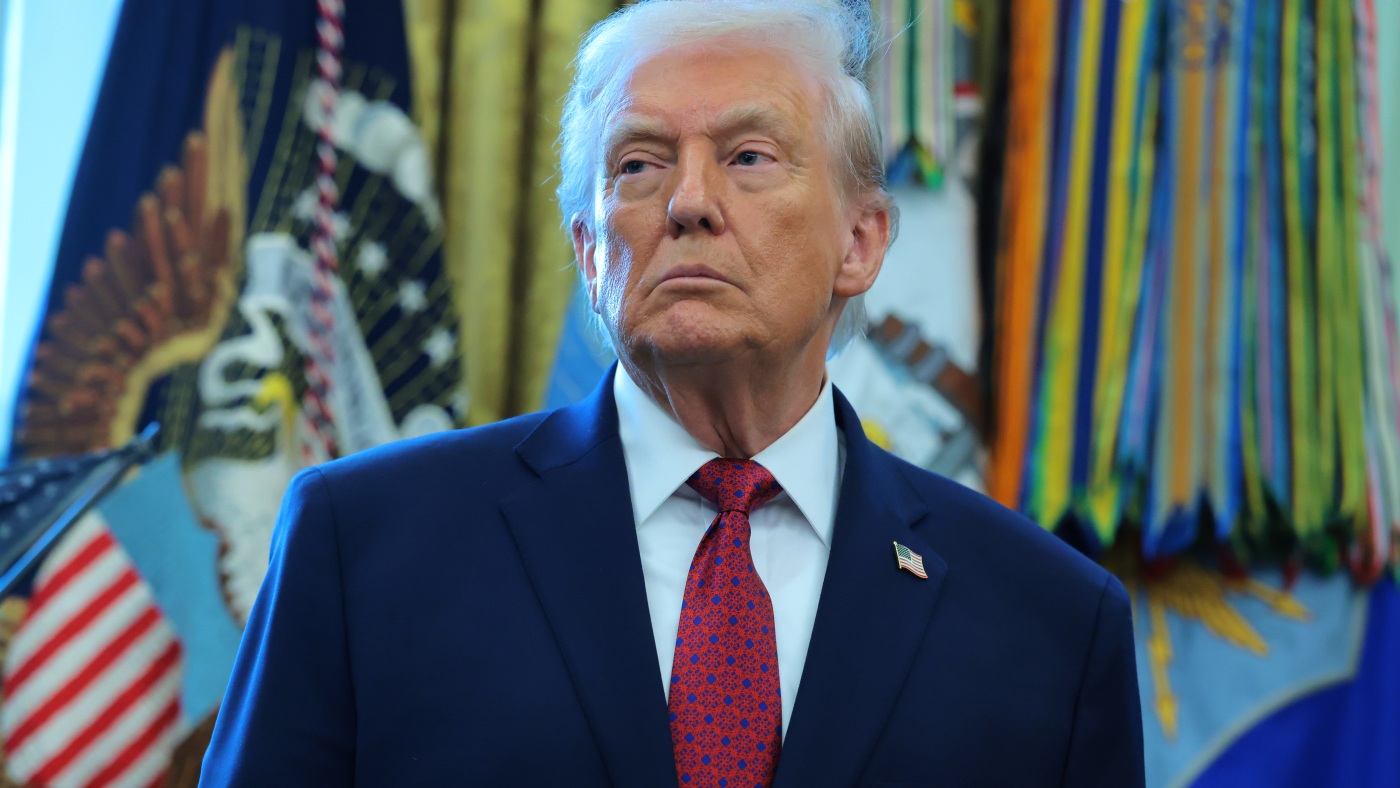
On Christmas night, President Trump declared that the U.S. conducted a significant strike against Islamic State (ISIS) fighters in northwest Nigeria. He criticized these militants for their attacks on Christians, stating they had escalated to levels not seen in generations.
In a post on Truth Social, Trump emphasized that the operation targeted “ISIS Terrorist Scum” responsible for killing innocent Christians. He assured that U.S. forces had executed the mission flawlessly and reiterated his commitment to combating radical terrorism.
The timing of this strike comes after the U.S. launched multiple attacks in Syria against ISIS in response to the death of two American soldiers and an interpreter. Trump’s actions reflect his ongoing criticism of Nigeria’s government for not effectively protecting Christians from extremist violence. He has previously threatened military action against Nigeria, asserting that if the violence continued, the U.S. would consider cutting its aid to the country.
Nigeria has a complex religious landscape, with a fairly even split between Christians and Muslims. Officials often cite geography over religion as the motivator for militant attacks. A recent example of this complexity is Nigeria’s request for U.S. assistance while insisting on respect for its sovereignty.
U.S. Africa Command (AFRICOM) confirmed the strike occurred at the behest of Nigerian authorities, claiming to have killed several ISIS fighters. Defense Secretary Pete Hegseth expressed gratitude for Nigeria’s cooperation and emphasized that the U.S. military remains vigilant against threats like ISIS.
This broad military stance aligns with recent trends in U.S. foreign policy, focusing on counterterrorism. According to the Global Terrorism Index, terrorist incidents in Nigeria have surged, highlighting an ongoing crisis. This operation reflects the complicated dynamics of international military action and the challenges of addressing terrorism on a global scale.
While official responses from Nigerian authorities have been limited, the strike has sparked discussions on social media, with mixed reactions from users. Some view the military action as necessary, while others raise concerns about the implications for Nigeria’s sovereignty and stability.
For further context on the situation in Nigeria, you can explore resources from ACLED and AFRICOM. These sources provide deeper insights into the ongoing conflict and the role of international involvement.
