
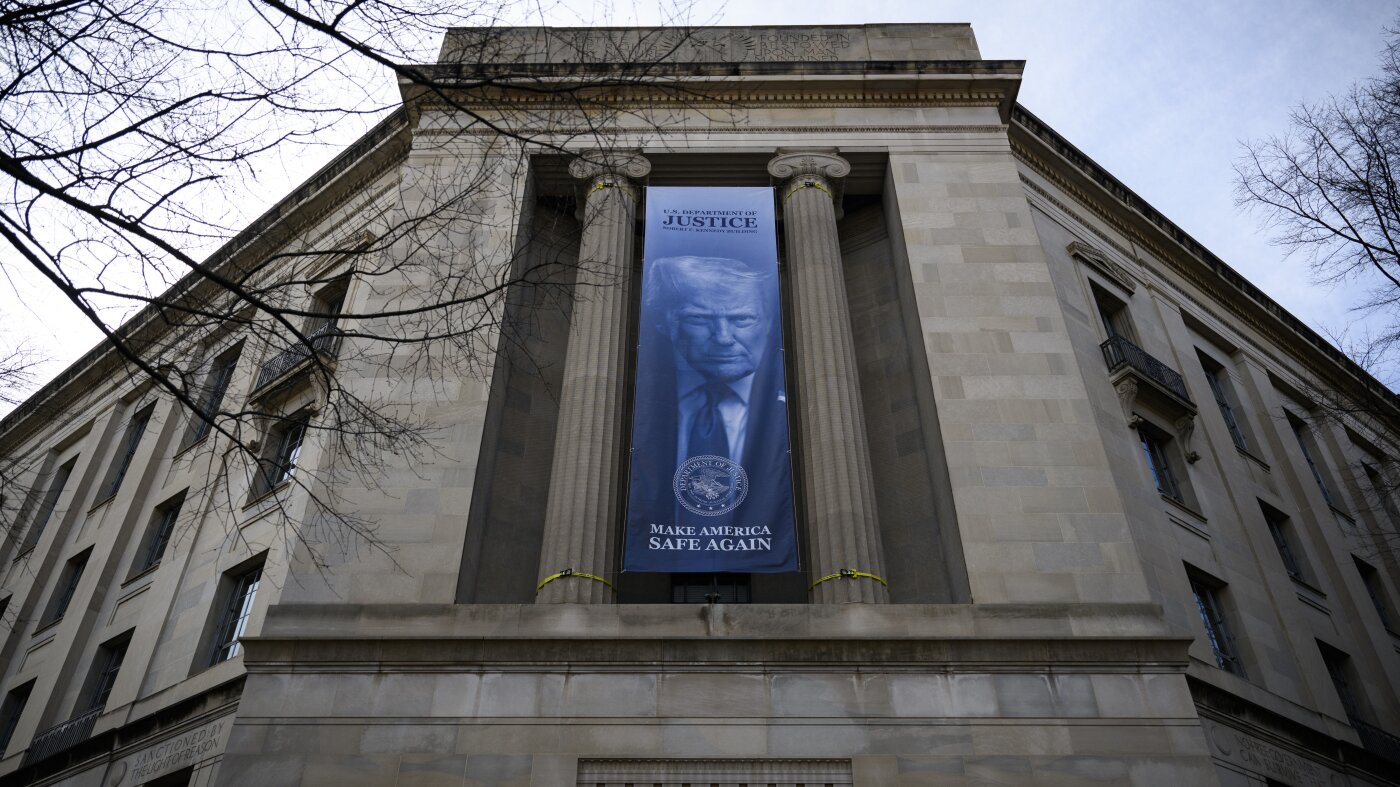
The Justice Department is pushing for sensitive voter registration data from various states, and this has stirred significant controversy. Recently, a high-ranking privacy officer in the DOJ’s Civil Rights Division resigned, adding to concerns about how the department is handling this data.
Kilian Kagle, who played a crucial role in protecting privacy rights, stepped down amid these developments. His resignation highlights growing concerns over the DOJ’s extensive requests for personal voter information, including driver’s license numbers and partial Social Security numbers. Critics argue that these requests may violate privacy laws.
The DOJ claims it needs this data to ensure states maintain accurate voter lists and remove ineligible voters. However, legal experts argue that the DOJ lacks the authority to collect such information without transparency and proper legal processes. In fact, judges in several states, including California and Oregon, have dismissed the DOJ’s requests, emphasizing that states have the constitutional right to manage their own elections.
Recently, a report showed that only 17 predominantly Republican-led states have complied with the DOJ’s demands. However, the department has not published any privacy impact assessments, which are legally required before collecting personal data. This lack of transparency raises alarms about how the data will be used and stored.
Experts in privacy law, like John Davisson from the Electronic Privacy Information Center, assert that this move is a dangerous misuse of sensitive voter information. They stress that the DOJ has not provided adequate justification for its actions, which could lead to security risks and potential misuse of data.
Public concern is growing, especially regarding how data shared with the Department of Homeland Security might be used. The DHS’s data system has been criticized for its potential to flag individuals as noncitizens for further investigation, leading to fears about immigration-related repercussions.
Interestingly, this controversy has coincided with a broader trend of resignations from privacy and civil rights positions across the federal government. Many experts have exited due to ethical concerns over data practices, suggesting a troubling atmosphere regarding privacy rights under the current administration.
As citizens, it’s vital to stay informed about how our personal information is handled. Privacy laws exist to protect us, and transparency from government agencies is crucial for maintaining trust in our democratic processes. As the situation develops, the importance of advocating for privacy rights has never been more critical.
For further reading on privacy rights and voter data, you can find detailed analyses on EPIC’s website.
