
Boxwood trees and shrubs are popular choices for gardens. They’re often used for privacy hedges or as decorative topiary. With over 90 species and many varieties, boxwoods give gardeners plenty of options. However, they also attract some pesky bugs, like the boxwood leafminer, boxwood psyllids, and boxwood mites. One of the latest threats is the box tree moth, which first appeared in Cincinnati in 2025.
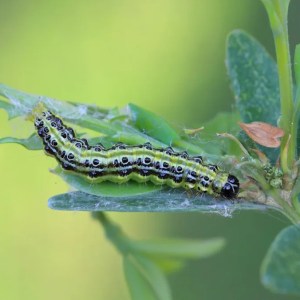
The caterpillar stage of the box tree moth is particularly harmful. These pests chew through leaves and bark, which can lead to the death of the plant. They tend to be active from spring to September, so it’s not uncommon to see several generations causing trouble in one season. Early signs of an infestation include droppings that resemble sawdust, webbing, and browning leaves. The caterpillars are bright green with stripes, making them somewhat easy to spot.
To protect your boxwoods, hand-picking the caterpillars is effective for small infestations. For bigger problems, you might need pesticides like horticultural oils or insecticidal soaps. Just remember to apply these products only when you see the pests since preventive treatments aren’t advised. It’s best to treat them while they’re young caterpillars, and always follow the product instructions. For severe cases, pruning affected areas during the plant’s dormant period may be necessary.
Another notorious pest is the boxwood leafminer. This fly lays eggs on the undersides of leaves. When the larvae hatch, they create blisters that can harm the plant. You’ll notice these issues around May, and by summer, the leaves may start to look unhealthy. Treatment options include insecticides during the adult stage or systemic insecticides to control larvae.
It’s also important to look out for boxwood mites. These tiny pests are hard to see but can cause scratches on leaves. They reproduce quickly, leading to multiple generations throughout the year. Treatment typically involves insecticidal soap or oils in the spring.
Boxwood psyllids are less damaging but still worth noting. They suck sap from leaves and can cause curling. Small infestations usually don’t need treatment, but pruning and using neem oil can help manage them.
Overall, keeping an eye on these pests is crucial when caring for boxwoods. A 2022 survey from the National Gardening Association found that 70% of gardeners reported pest issues in their plants. Increased awareness of pest management can save your boxwoods from significant damage.
By taking the right steps, you can keep your boxwoods healthy and thriving. For more gardening tips and insights, check out the expert resources on [House Digest](https://www.housedigest.com/2004827/invasive-pests-on-boxwood-tree/?zsource=yahoo).
Source link
boxwood plants, horticultural oil, insecticidal soap, infestation, caterpillar stage, box tree, leaves, Boxwood psyllid
