
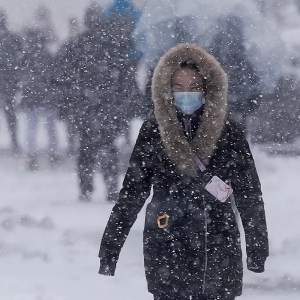
A powerful blizzard hit the Northeast on February 23, 2026. At one time, more than 40 million people were warned about the storm, which brought heavy snow and fierce winds. The National Weather Service recorded up to 3 feet of snow in parts of New Jersey, Rhode Island, and Long Island, New York.
Governor Kathy Hochul of New York estimated that this storm could be one of the city’s worst in 150 years. All of New Jersey, Rhode Island, Pennsylvania, and Connecticut declared emergencies, enforcing travel restrictions. In New York, 20 counties faced similar emergency measures.
The storm led to the cancellation of many flights, with over 6,000 cancellations reported across the nation. Major airports in New York, such as LaGuardia and JFK, suffered particularly high cancellation rates—98% of LaGuardia flights were canceled. Boston’s Logan Airport experienced similar disruptions, with many flights grounded. As of the evening, around 500,000 customers in the Northeast were without power, according to PowerOutage.us.
Rhode Island saw the highest snowfall, with Warwick reporting 36.2 inches. This amount surpasses the previous record for a single snowstorm recorded in 1978. Many residents took to social media to share their experiences, with posts flooding in featuring impressive snowdrifts and halted traffic.
Travel advisories stressed the dangers of going outdoors. The National Weather Service recommended that people stay home if possible, as whiteout conditions posed significant risks. For those who had to travel, it was crucial to check road conditions, inform someone of your route, and carry emergency kits.
While the storm brought chaos, it didn’t dampen the spirits of some families. Many took the opportunity to enjoy sledding and building snowmen. Essential services worked tirelessly to clear roads and restore power.
In the spirit of historical context, this storm harkens back to the infamous blizzard of 1978, which resulted in nearly 100 deaths. Experts indicate that climate change is increasing the intensity of winter storms, a trend that’s likely to continue. As storms become more severe, preparation and awareness grow more critical.
The storm serves as a reminder of nature’s power and the necessity for communities to unite to face shared challenges. For ongoing updates about weather conditions and preparedness, visit the National Weather Service.
With forecasts predicting continued snowfalls, residents are advised to remain vigilant and prioritize safety over travel in the coming days.
Source link
heavy snow, National Weather Service, Northeast, Rhode Island, Kathy Hochul
