
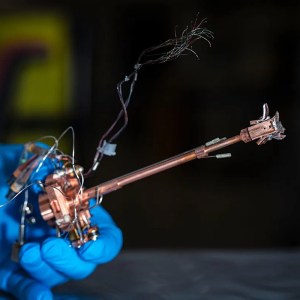
In 2022, a remarkable achievement took place at California’s Lawrence Livermore National Laboratory: scientists successfully reached fusion “ignition” for the first time. This groundbreaking process used 192 powerful lasers to target a tiny capsule filled with fusion fuel. The lasers created a scorching environment—over 3 million degrees—leading to an implosion that marked a historic milestone.
Yet, while this breakthrough is fascinating, producing energy in a sustainable way remains a challenge. The lasers consumed a vast amount of grid power, indicating that future advancements must focus on generating more energy than the system uses.
Enter Inertia, a new startup based in the Bay Area. Founded by researcher Andrea Kritcher from Lawrence Livermore, Stanford professor Mike Dunne, and tech entrepreneur Jeff Lawson, Inertia aims to revolutionize fusion energy. Their goal? To make it affordable and clean.
Jeff Lawson highlights an essential step: building an incredibly powerful laser that is smaller than current models. In addition, they need to develop a method for mass-producing the tiny fuel capsules essential for fusion. Ultimately, their vision includes creating a new power plant that harnesses this exciting technology.
Fusion energy—the process of fusing lighter atoms to create a heavier one—promises a vast supply of clean energy. It offers the potential to reduce our reliance on polluting energy sources, which could lead to cleaner air and water. This shift may also enhance food security and provide communities with affordable fresh water.
Despite its benefits, some concerns surround nuclear energy. Many worry about the high startup costs, safety issues related to radioactive waste, and potential links to weaponry. However, the advantages, especially regarding low-carbon electricity, may outweigh these fears, supporting global energy security alongside existing renewable sources.
Looking ahead, Inertia plans to develop early designs for their lasers and capsules within the next 18 months. They aim to establish smaller assembly lines for production within four years and hope to see a working plant within a decade, with a fully operational site ready in at least 12 years.
According to a recent report, about 60% of Americans are optimistic about the future of fusion energy. Social media trends show increased interest, with discussions around its potential as a game-changer for energy sustainability.
In summary, fusion energy stands as a beacon of hope for a cleaner, more sustainable future. Its development could change the landscape of energy, paving the way for healthier communities and a more stable environment. For a deeper dive into fusion energy, check the U.S. Department of Energy’s resources on fusion energy.
Source link
Lawrence Livermore National Laboratory, clean energy, fusion, Jeff Lawson, lasers, nuclear energy
