
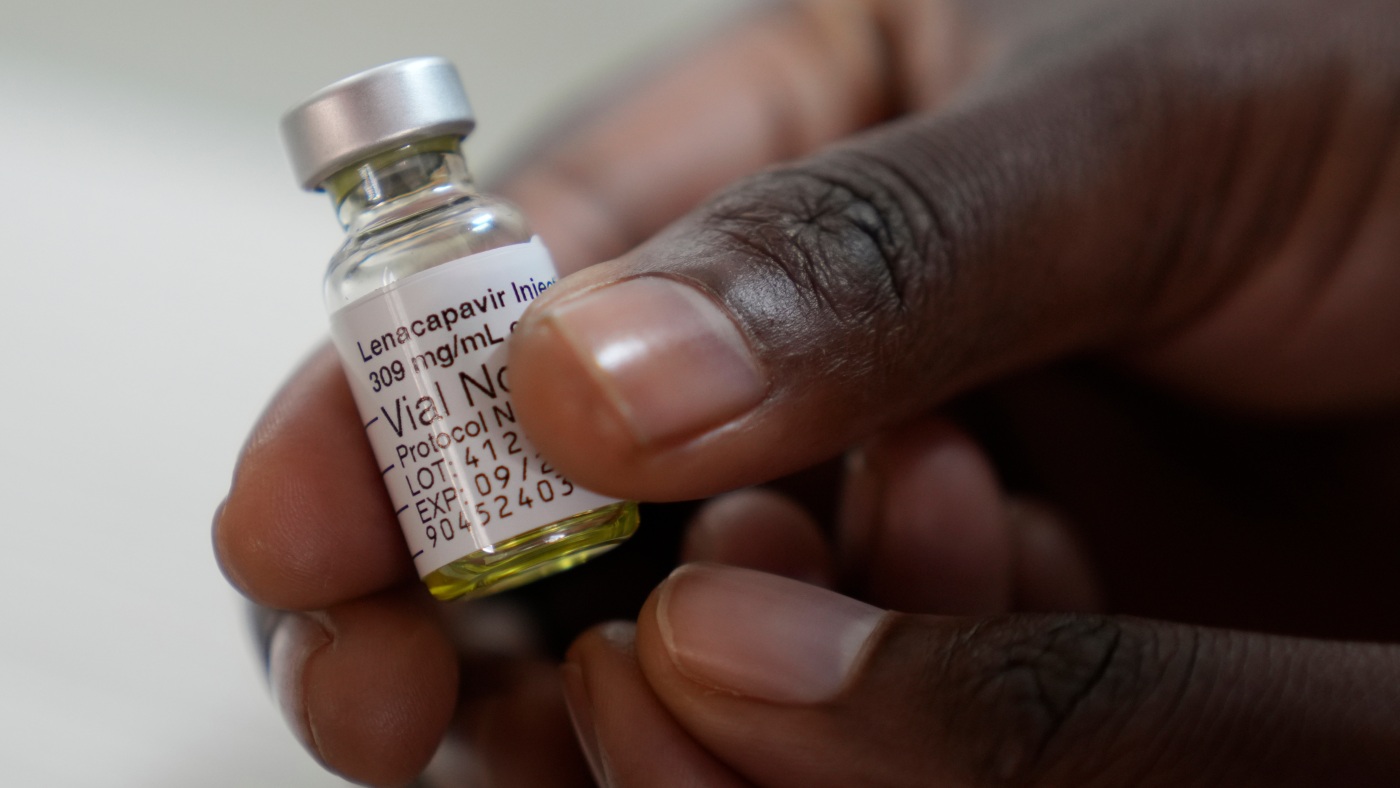
Five months after a groundbreaking HIV prevention drug received approval in the U.S., it’s finally being distributed in Africa. On Wednesday, the U.S. State Department announced that Eswatini and Zambia have each received 500 doses of lenacapavir, produced by Gilead Sciences. This drug offers nearly complete protection against HIV with just two injections a year.
Mitchell Warren, the executive director of the AIDS Vaccine Advocacy Coalition (AVAC), called this quick rollout remarkable. He said, “This is somewhat unprecedented, to see an innovation in global health move this fast to low- and middle-income countries.” However, he also pointed out that these initial supplies are just a drop in the bucket, serving as a starting point for further delivery.
The long-term goal is to provide 2 million doses to high-burden countries, primarily in Africa, by 2028. This initiative is backed by the Global Fund, which combats major health issues like HIV and tuberculosis. But this rollout comes during a tough time for HIV response efforts. Political and economic challenges have been escalating. Warren notes that many systems meant to deliver lenacapavir have been weakened, partly due to cuts in foreign aid during the previous U.S. administration.
On the positive side, lenacapavir has received strong formal support. After the FDA’s approval, both the World Health Organization and the European Medicines Agency followed suit. Gilead is filing for approval in several other African nations, including Kenya, Malawi, and Uganda, indicating a broader strategy to combat the epidemic.
Nevertheless, getting the doses is just the beginning. The real challenge lies in ensuring the drugs reach those who need them. Health ministries will take charge, but many local governments depend on community organizations for distribution. Cuts to foreign aid have diminished these vital channels, complicating delivery.
Warren emphasizes that without strong support systems in place, even great products may end up unused. “If you don’t have the program that meets people where they are, those doses aren’t going to get used.”
As we move forward, the success of lenacapavir will depend not only on its availability but also on how well communities can integrate it into their health systems. This situation shows that advancements in medicine won’t be enough unless coupled with robust support structures on the ground.
For more on the ongoing HIV response efforts and updates on lenacapavir’s rollout, check the World Health Organization or Global Fund.
