
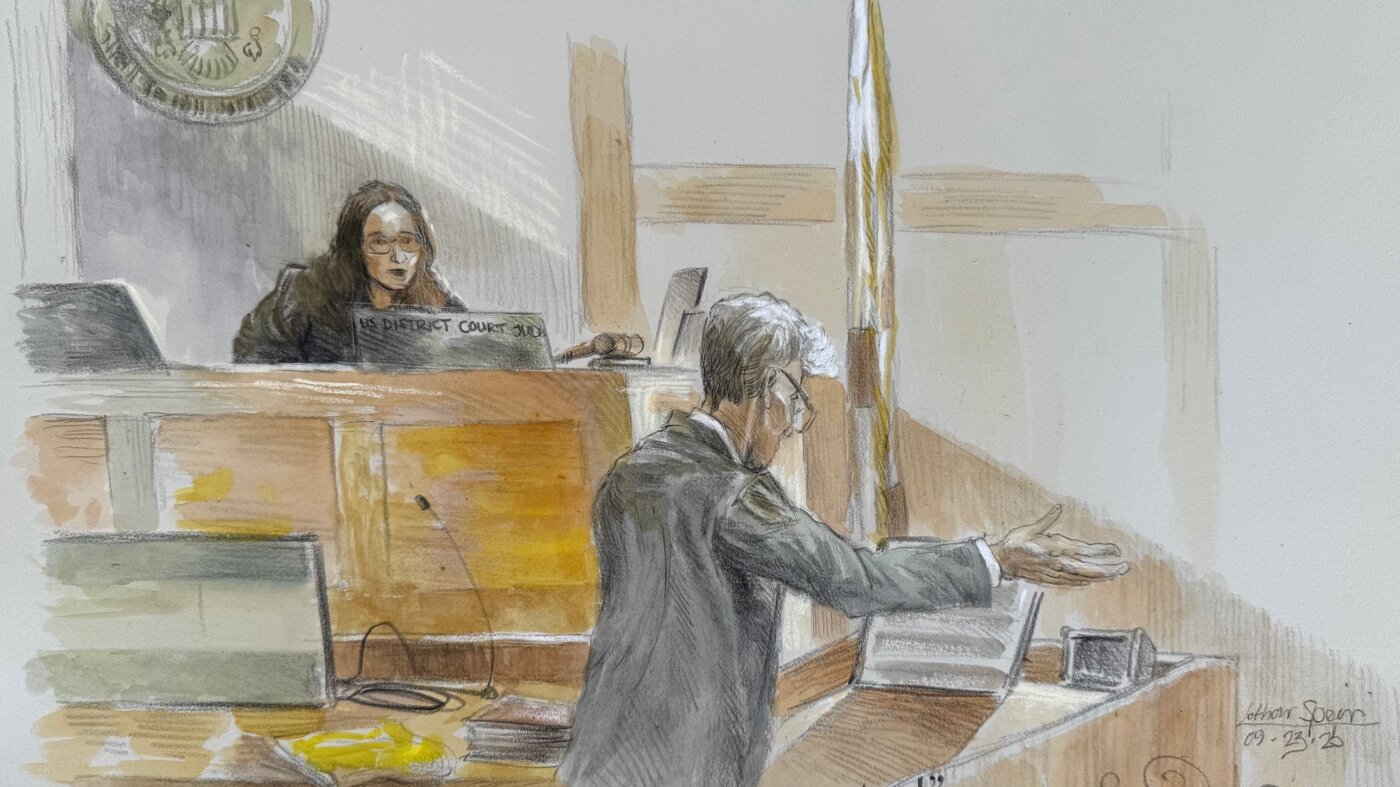
A man named Ryan Routh is facing sentencing for attempting to assassinate Donald Trump during his 2024 presidential campaign. Last fall, a jury found Routh guilty of planning an attack while Trump was at his golf club in West Palm Beach, Florida. Prosecutors are pushing for a life sentence.
Routh’s plot unfolded just months after another assassination attempt on Trump. In Pennsylvania, a man named Thomas Crooks fired shots at Trump, wounding him slightly before being killed by a Secret Service agent.
On September 15, 2024, agents spotted Routh hiding with a semi-automatic rifle near Trump’s club. When confronted, Routh fled in his car but was soon apprehended. Investigators tracked him using cell phone data and license plate readers, revealing he had traveled from North Carolina to scout locations for the attack while living in his vehicle.
The trial lasted two and a half weeks. Routh’s defense was brief; he often clashed with his public defenders and opted to represent himself. His arguments were weak and unconvincing. The jury took only two hours to reach a guilty verdict.
When the verdict was announced, Routh shockingly attempted to harm himself with a pen. Afterward, he filed odd statements, claiming the trial was a nuisance.
Now, Routh asks for leniency. His attorney cites his troubled defense, mental health, and age—he’s 60 years old—requesting a reduced sentence of 27 years instead of life. Interestingly, recent statistics show that the U.S. usually sees a decline in violent crime, yet high-profile assassination attempts remain disturbingly frequent.
This case highlights growing concerns about political violence. Social media trends show increasing polarization, with many expressing fears over safety in our political climate. As Routh prepares to speak at the sentencing, it will be crucial to see how he presents himself in light of these serious charges.
For more context on political violence, you can refer to this Pew Research Center report.
