
As climate change accelerates, sea levels around the globe are rising. A recent study published in Nature reveals a shocking truth: up to 132 million more people may be at risk of flooding than we thought. This is especially concerning if sea levels rise by three feet by the middle of the century, a possibility if fossil fuel consumption continues at its current pace.
This new research suggests prior studies underestimated current sea levels by around 10 inches. This has been particularly noticeable in regions like Southeast Asia, where the findings highlight lands at even greater risk of flooding. Researchers now see that about 37% more land and 68% more people could be affected by future sea level rises than earlier estimates indicated.
Philip Minderhoud, an associate professor at Wageningen University in the Netherlands and co-author of the study, emphasizes the urgency of this information for vulnerable communities. Many people in low-lying areas firsthand experience the impacts of rising seas. Their stories are a critical reminder that accurate data can help international talks about climate change more effectively address vulnerabilities.
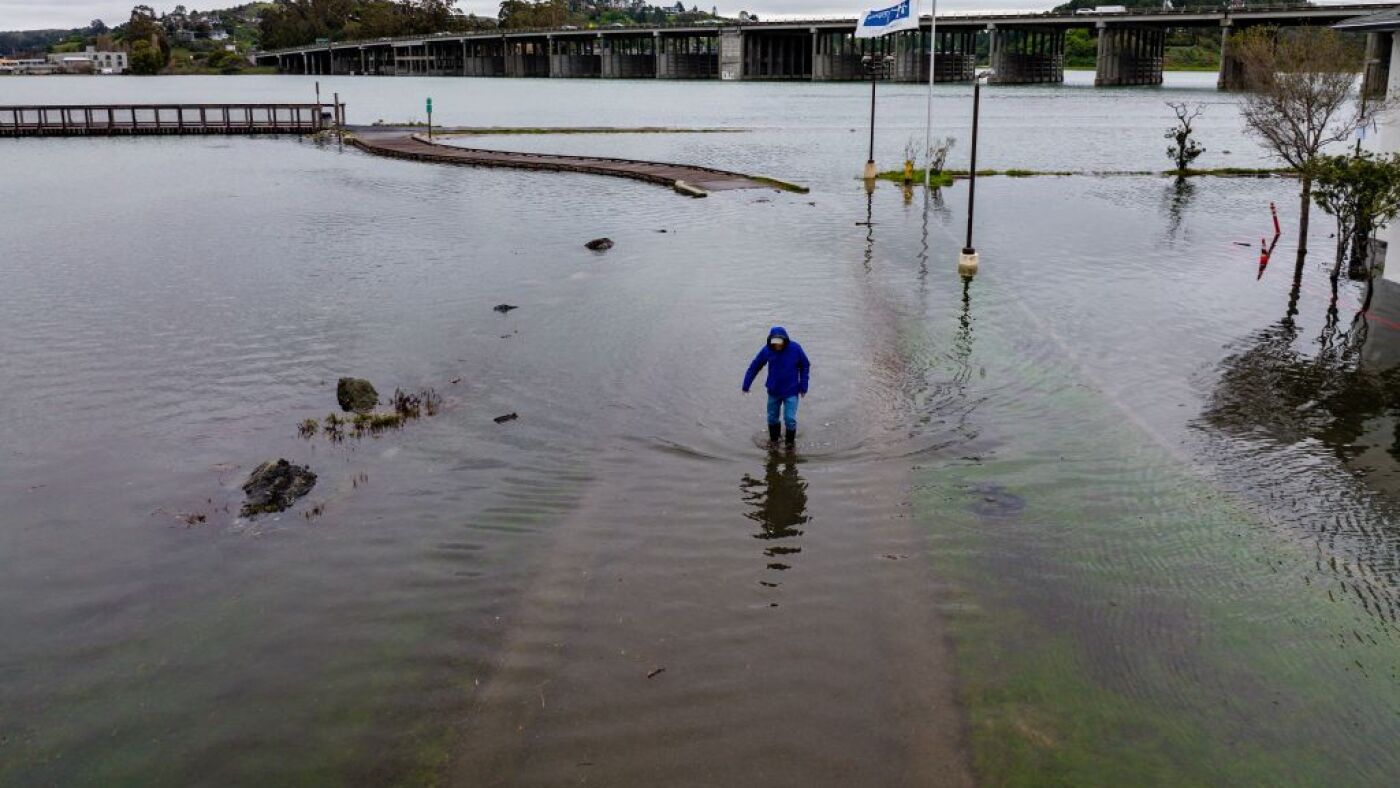
Rising sea levels have already had real-world impacts. Coastal areas are facing more frequent flooding, especially during storms. The overall sea level has risen about 8 to 9 inches since 1880, a consequence of glaciers melting and ocean water expanding as it heats up. This situation worsens in regions where the land is sinking, like the U.S. East Coast.
Notably, sea levels are not uniform; they can be affected by various factors like tides and ocean currents. Traditional models, used to estimate these changes, often provide a calm scenario that doesn’t capture real-world conditions. This explains some discrepancies in forecasts about who and what might be affected in the future.
However, as awareness grows, newer studies are beginning to correct these errors. More accurate measurements can be invaluable for not only predicting the global impact of climate change but also preparing communities to deal with its effects. Bob Kopp, a professor at Rutgers University, notes that local planners usually rely on specific data for their regions rather than general models. This localized focus is crucial for effectively planning adaptations, like constructing sea walls or restoring coastal ecosystems.
The concerns raised by this recent study underline the urgent need for action. With more people than ever potentially at risk, it’s clear that effective communication, targeted data, and international collaboration must drive efforts to combat climate change. The voices of communities already feeling the impacts should not be overlooked in this global conversation.
