
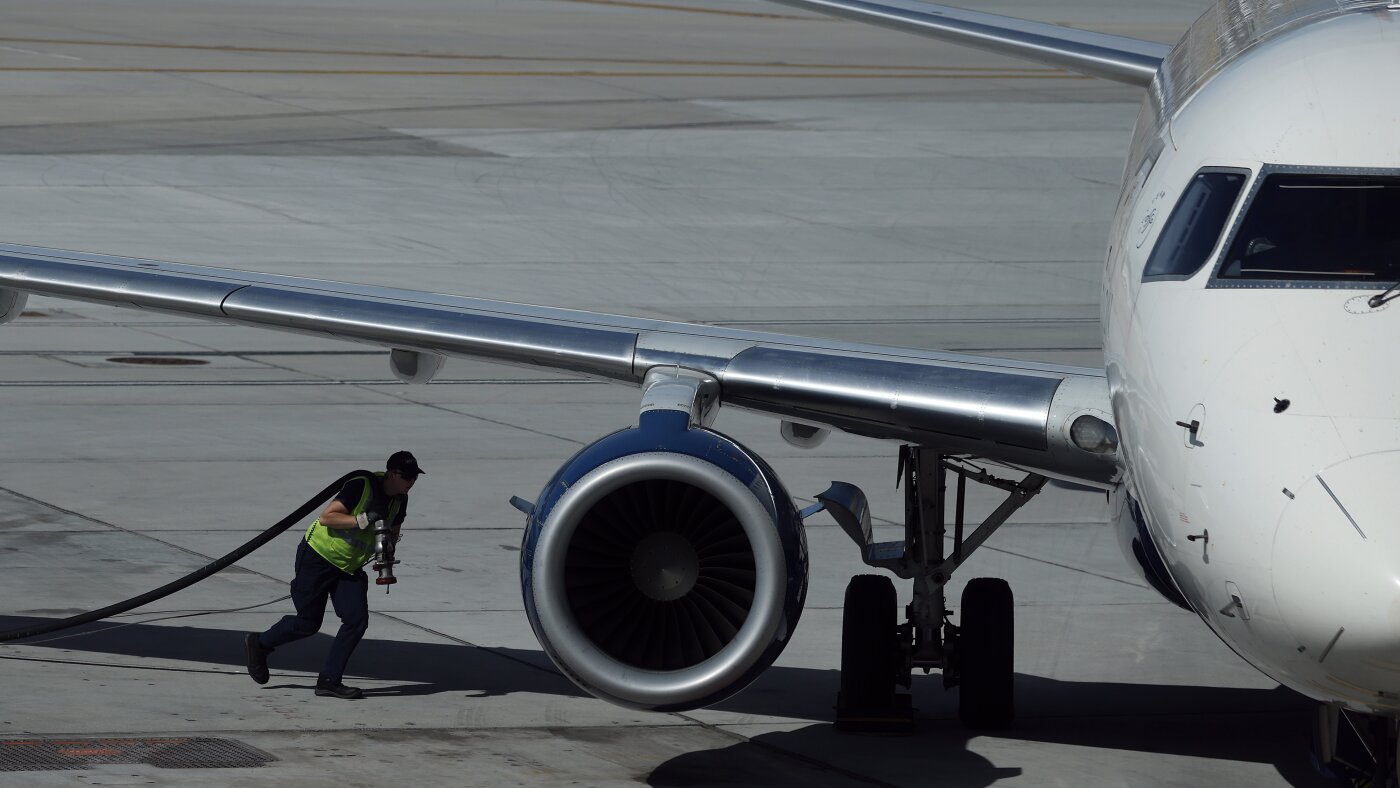
Jet fuel prices have skyrocketed, roughly doubling since the onset of the war in Iran. This dramatic rise is outpacing the increases seen in gasoline and diesel. As a result, airlines worldwide are feeling the heat. They’re cutting flight routes, boosting fares, and implementing fuel surcharges, trying to cope with the surging costs.
In Asia, countries are facing severe fuel shortages. Many are rationing fuel and limiting exports. “This is an Asian crisis,” says George Shaw, an analyst with Kpler. He highlights that Asian markets are more vulnerable than others.
Europe is also bracing for trouble. The Airports Council International Europe recently warned the European Commission about possible significant jet fuel shortages if traffic through the Strait of Hormuz doesn’t stabilize soon. This crucial waterway is essential for global oil transport, and its disruption could send shockwaves through already strained markets.
The strait’s challenges impact both the supply of jet fuel and crude oil. The region is home to key refineries crucial for global fuel distribution. Now, with limited shipping routes, the market faces a “double whammy,” according to Shaw. The top three jet fuel exporters—China, South Korea, and Kuwait—are all facing significant production and export challenges. China has halted exports, South Korea has reduced output due to lack of crude, and Kuwait’s fuel cannot reach global markets.
Even the U.S., while being the largest oil producer, isn’t immune. In California, refineries face shutdowns, and filtering fuel through the Panama Canal from Texas or Louisiana, where production is robust, can be cost-prohibitive compared to importing from Asia—currently a less reliable option.
Delta Airlines is particularly hard-hit, projecting an additional $2 billion in costs due to soaring fuel prices this quarter. Unlike others, Delta owns its refinery, providing a slight cushion against the storm. Yet, CEO Ed Bastian has noted a shift in fuel price expectations, leading the airline to rethink routes and ticket pricing while still seeing strong demand from flyers.
While some experts believe the U.S. might avoid acute shortages, Asia’s future looks uncertain. Prices are expected to stay elevated even if the strait reopens tomorrow. It takes time to ramp up production in Middle Eastern oil fields that have been idled. Rystad Energy estimates that the ongoing conflict has caused significant damage to oil and gas facilities in the region, amounting to about $50 billion.
The implications for the airline industry and global travel are staggering. Without swift resolutions, the adjustments airlines are forced to implement could become the new normal, leaving travelers to grapple with higher ticket prices for the foreseeable future.
For more detailed insights on this evolving situation, you might want to check authoritative sources like the International Energy Agency or recent reports from Reuters.
