
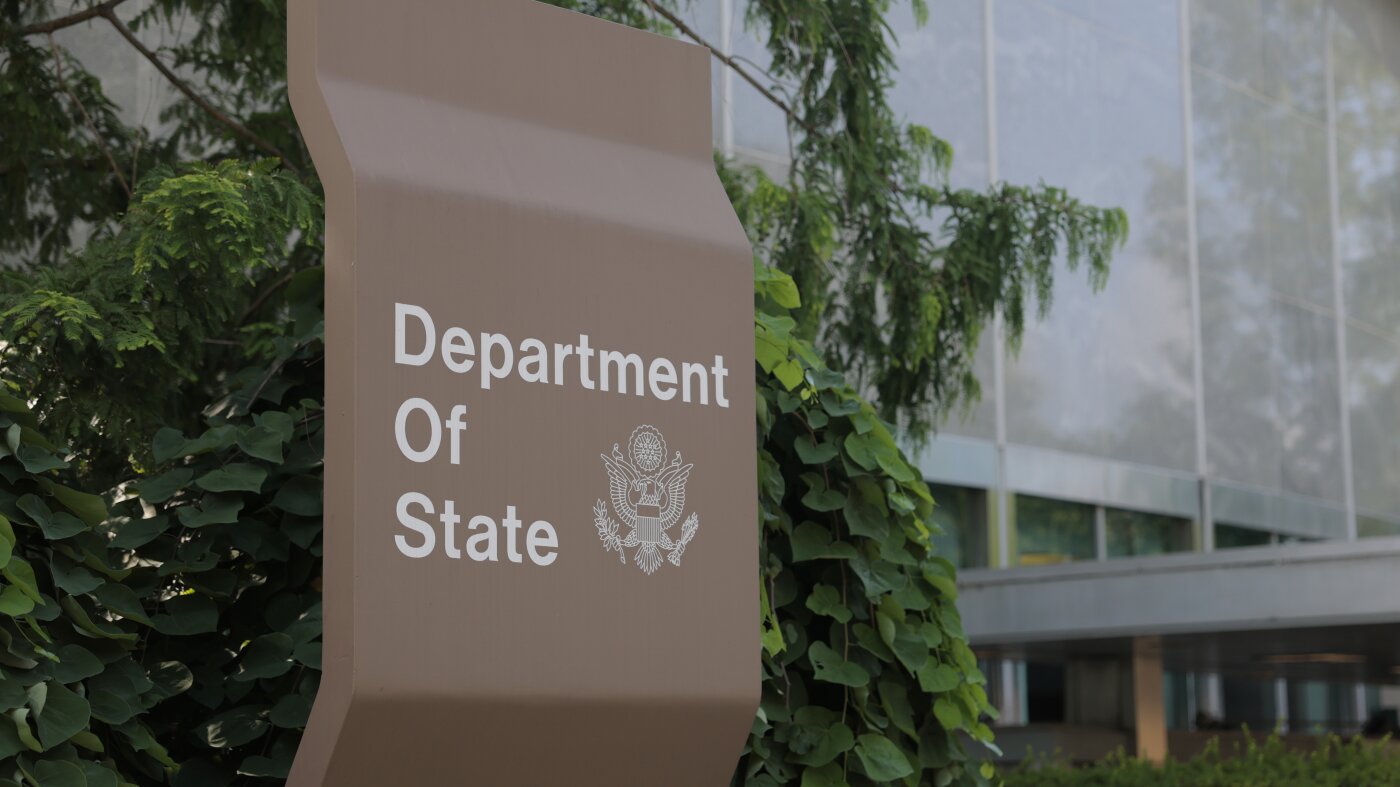
The State Department is set to take down all posts from its public accounts on X (formerly Twitter) that were made before Donald Trump returned to office on January 20, 2025. This means that social media users won’t be able to see those old posts anymore. Instead, they will be archived internally. If someone wants to access them, they will need to file a Freedom of Information Act request, which some employees worry could make it harder to trace government communications.
Why is this significant? This move is part of a broader effort under Trump’s administration to shape how information is presented to the public. Similar actions have included the removal of certain references on government websites that don’t align with the current administration’s views, including significant historical contexts such as discussions surrounding slavery and minority rights.
Changing social media policies isn’t just about removing posts; it reflects a larger trend of controlling the narrative around government actions and policies. Shannon McGregor, a communication professor at the University of North Carolina, suggests that while social media brings transparency, these removals create barriers that hinder access to historical records.
In a somewhat related development, multiple federal agencies have faced scrutiny for sharing content that includes extremist views and controversial memes. For example, the Department of Homeland Security and other departments have posted content that echoes white supremacist talking points and conspiracy theories.
Interestingly, past administrations managed social media content differently. For example, when President Obama left office, his official accounts remained intact, providing public access to content from earlier terms. This practice typically ensured transparency and continuity in government communication.
Moreover, there seems to be a growing public concern about preserving government records. New York City Mayor Zohran Mamdani recently faced similar challenges when his administration began deleting posts from his predecessor, Eric Adams. However, those posts remain accessible in a public archive.
Overall, while social media posts may seem trivial, their removal underlines a more profound shift in how U.S. governance communicates with its citizens. This might raise questions about transparency and accountability in the long run. If historical records are harder to access, how will future generations understand the context of today’s decisions?
For those interested in learning more about government record-keeping and transparency, the Maryland Archives offers a comprehensive overview of federal record retention policies.
Source link
