
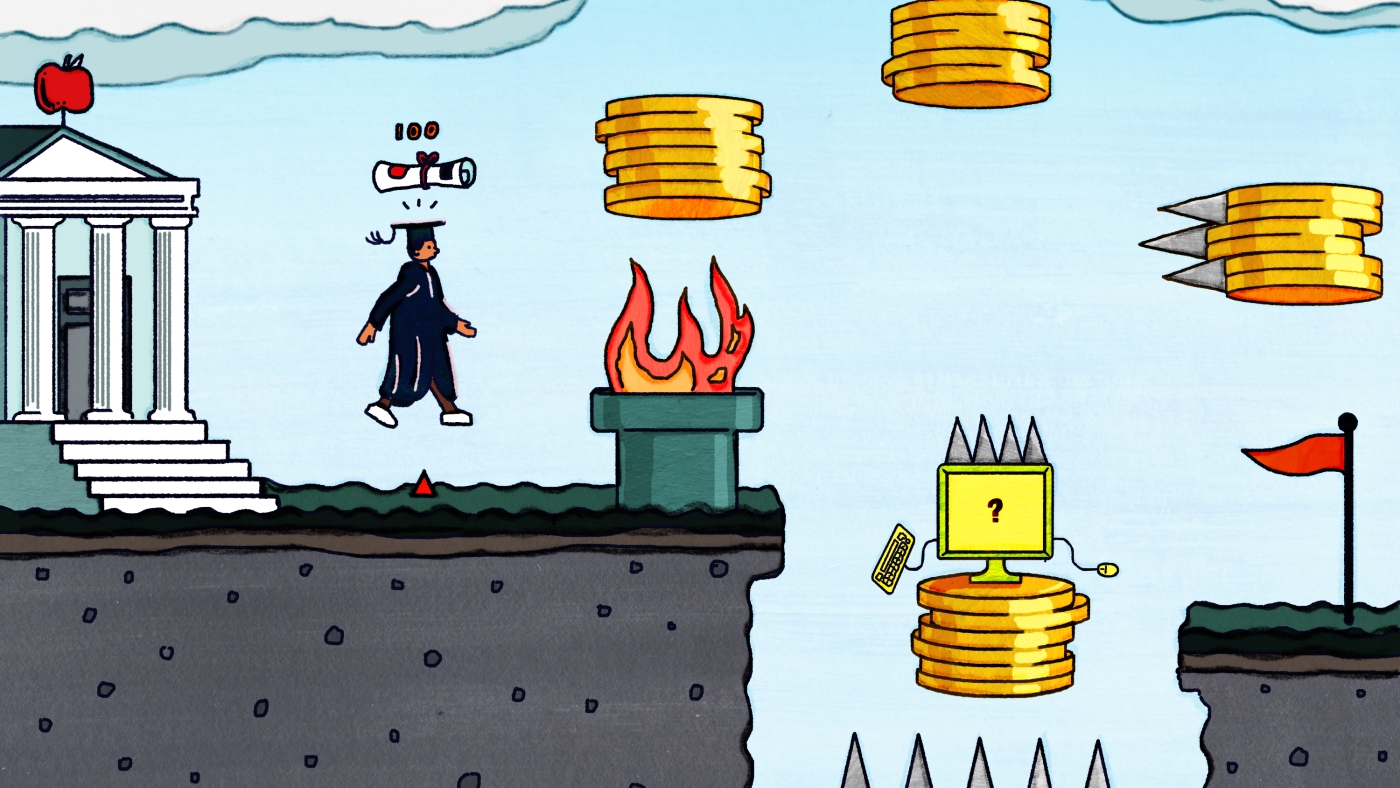
In 2025, many borrowers are struggling with major changes in the student loan system. The rules about how much students can borrow and when they need to pay back their loans are shifting significantly.
The End of the SAVE Plan
President Biden’s SAVE (Saving on a Valuable Education) Plan, praised for its affordability, is proposed to end. According to Persis Yu from Protect Borrowers, SAVE was a crucial support for millions. It allowed low-income borrowers to have payments as low as $0 and offered a path to fast-track forgiveness. This plan faced legal challenges that left borrowers in a state of uncertainty, with interest accruing even when payments weren’t required.
Nicholas Kent, Under Secretary of Education, stated, “American taxpayers can now rest assured they will no longer be forced to serve as collateral for illegal and irresponsible student loan policies.” This new agreement aims to move around 7 million borrowers enrolled in SAVE to different repayment plans, some of which are still under development.
Betsy Mayotte, founder of the Institute of Student Loan Advisors (TISLA), adds that affected borrowers are in a tough spot, having made financial plans based on a payment schedule that’s now in question.
Impact on Public Service Employees
For many in public service, like Liz Kilty, an oncology nurse aiming for Public Service Loan Forgiveness (PSLF), these changes are unsettling. Kilty has about $36,000 left on her loans and only has 15 payments to go. However, the SAVE situation has stalled her progress toward forgiveness.
She has registered for the PSLF Buyback, allowing her to make rapid payments to qualify for forgiveness. This program was created by Congress, meaning it’s less likely to be affected by administrative changes.
Shifting Repayment Plans
Starting in 2026, repayment plans are getting even more complicated. The One Big Beautiful Bill Act (OBBBA) aims to phase out two widely used plans: Income-Contingent Repayment (ICR) and Pay As You Earn (PAYE).
New plans are set to replace existing ones, including:
- Standard Plan: This will require borrowers to repay loans over 10–25 years.
- Repayment Assistance Plan (RAP): This plan will base payments on borrowers’ income, waiving any leftover interest after payments.
Experts like Preston Cooper from the American Enterprise Institute believe that with these changes, borrowers seeking forgiveness might find it challenging to meet the new terms.
New Borrowing Limits
Graduate students will see new limits on how much they can borrow. After July 1, the cap will drop to $20,500 per year for most graduate programs. For parents helping with education costs, loans will be capped at $65,000 per child. This might force students to seek private loans to fill the gap, according to Yu.
Rising Default Rates
Many borrowers are already struggling. Recent federal data reveals that over 12 million borrowers are in default or delinquent on their payments—more than 25% of all federal student loan borrowers. This situation has raised alarms across different political lines.
Experts warn that America may be facing a “default cliff,” which could lead to skyrocketing default rates if proactive measures aren’t taken to support borrowers.
As we look toward 2026, the critical question remains: Will these new loan policies help borrowers regain control, or will we see a worsening crisis in student loan defaults?
For more details about this issue and to explore repayment options, visit the U.S. Department of Education’s Loan Simulator.
