
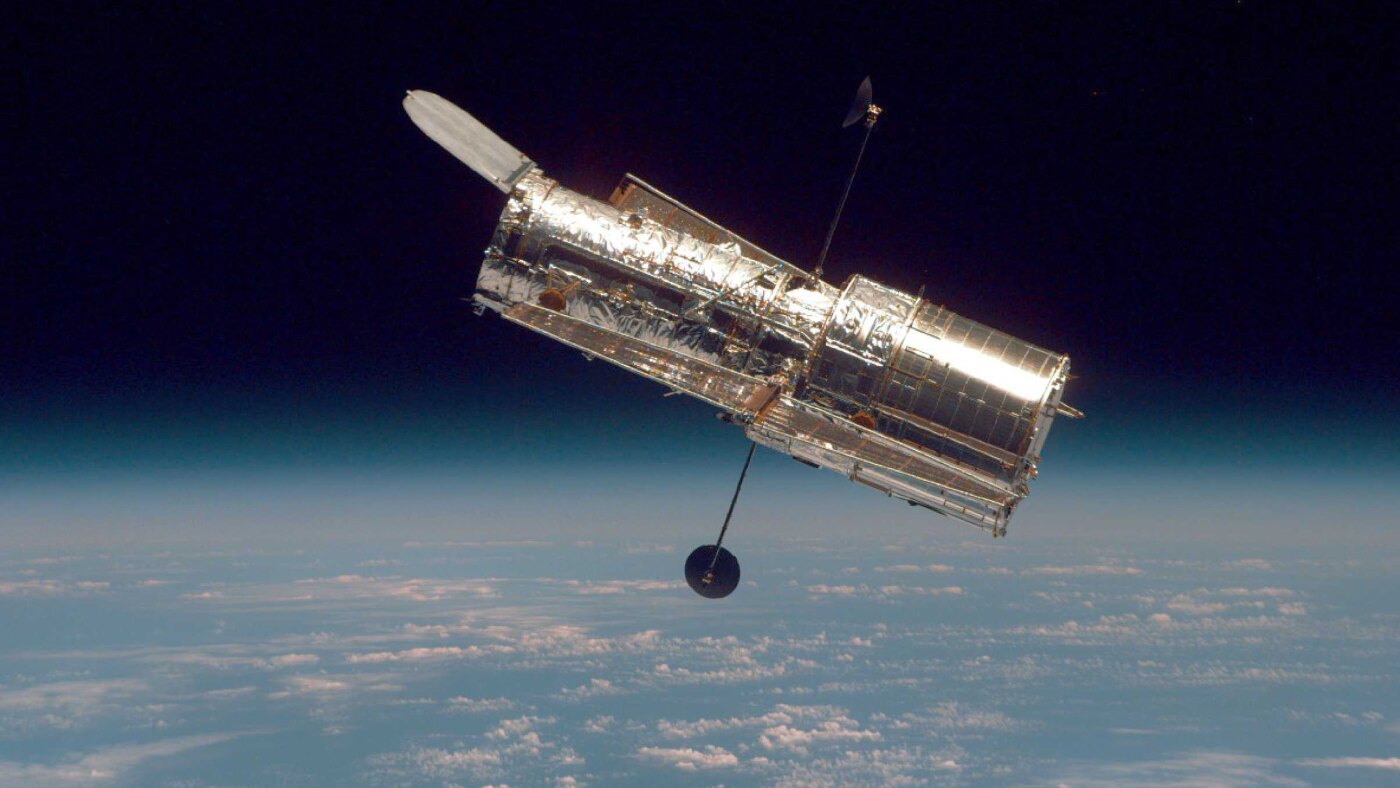
Reflections from satellites could soon threaten the quality of images taken by space telescopes. A recent study led by NASA warns that more than 95% of these images may be marred by satellite trails over the next decade.
When satellites reflect sunlight, they create these streaks that disrupt clear views of the cosmos. Both the Hubble Space Telescope and newer telescopes like SPHEREx are facing this growing issue. Recently launched SPHEREx joins the European Space Agency’s ARRAKIHS and China’s Xuntian Space Telescope, all of which are at risk.
Alejandro Borlaff, the lead author of the study, highlighted the severity of the problem in a podcast. “Imagine observing a distant galaxy, and a satellite passes by,” he said. “That crucial moment is lost forever.”
The situation has worsened dramatically in recent years. More satellites were launched between 2018 and 2022 than in the previous seven decades combined. Currently, there are over 10,000 active satellites orbiting Earth, with SpaceX alone owning more than 7,800 of them through its Starlink program. The International Telecommunication Union (ITU) projects numerous additional satellites to be launched soon.
A 2023 study revealed that only about 4% of Hubble images were impacted by satellite streaks when fewer satellites were in orbit. But experts predict that could skyrocket, potentially affecting one out of every three Hubble images.
“That’s a staggering increase,” Borlaff noted. “For SPHEREx and others, we might see 96% of images contaminated in some way.”
Concerns extend beyond space telescopes. Ground-based astronomers also worry about satellite trails affecting their observations. Roohi Dalal, Deputy Director of Public Policy at the American Astronomical Society (AAS), emphasized a need for collaboration between scientists and the satellite industry to address these issues.
SpaceX has acknowledged the concern, stating it is exploring methods to reduce light interference, including testing darker coatings and adjusting satellite orbits to minimize sunlight reflection.
The ITU has also raised alarms about the rapid increase in satellites. A recent report warned this surge poses risks to space sustainability, increasing the chances of collisions and creating debris. It has called for stronger international regulations to better manage satellite networks.
As we continue to push the boundaries of space exploration, it’s essential to find a balance between technological advancement and preserving our ability to observe the universe.
Source link
