
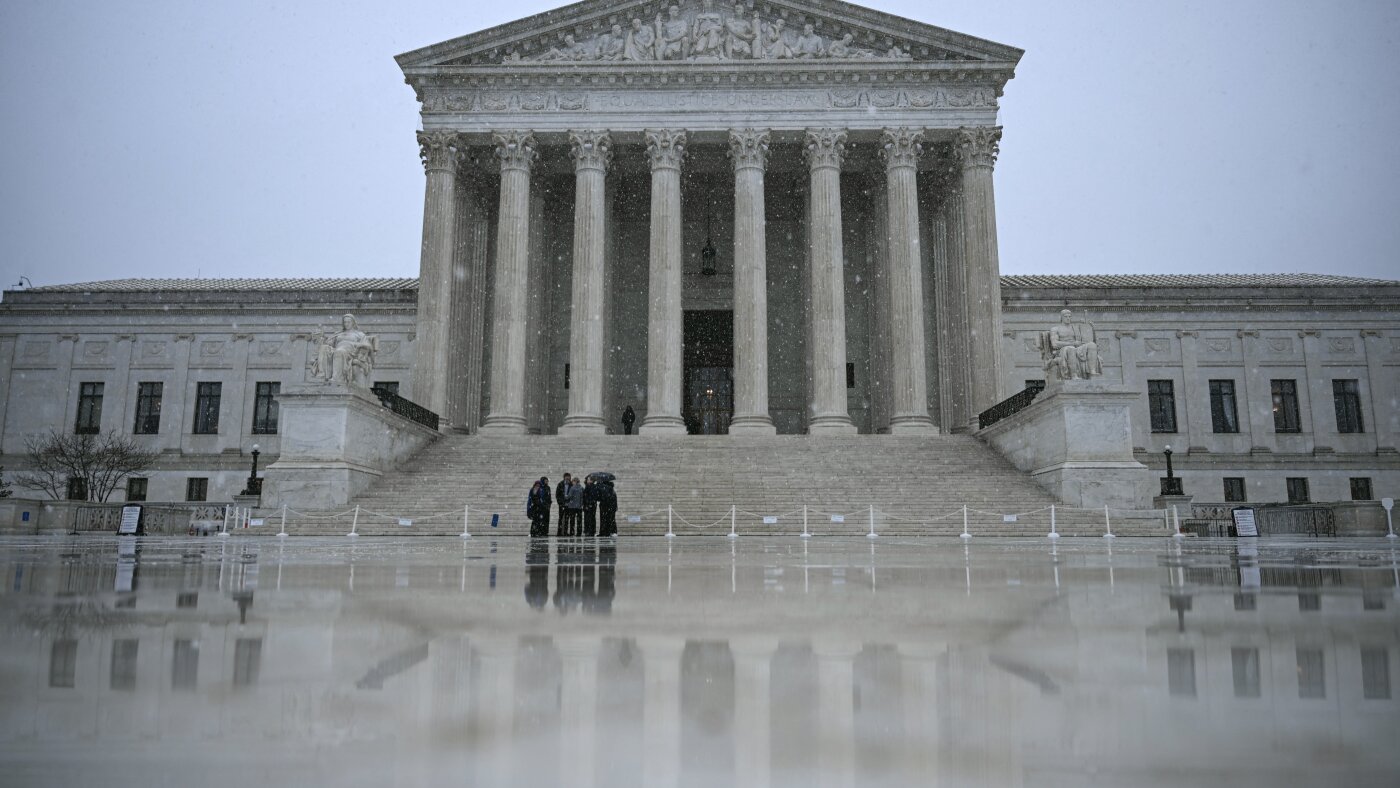
The Supreme Court recently decided not to hear a case involving a Texas law that allows police to arrest reporters who gather information from government employees. Justice Sonia Sotomayor dissented, highlighting the core of journalism: asking the government for information. She emphasized that this practice is essential for journalists, who daily seek clarity and insights from official sources.
The issue arose in 2017 when Priscilla Villarreal, a journalist from Laredo, Texas, was arrested for reporting on a border agent’s suicide and a car crash. Villarreal had verified her stories using information from a police officer. Sotomayor described this arrest as a clear violation of the First Amendment, arguing that no reasonable officer would believe they could lawfully arrest Villarreal for asking questions.
The Texas law in question had not been enforced prior to Villarreal’s case. It criminalizes soliciting undisclosed information from public officials. A Texas court deemed the law unconstitutionally vague after Villarreal took legal action against the officers and prosecutors involved in her arrest.
A panel from the federal appeals court supported Villarreal, asserting that the First Amendment guarantees citizens the right to ask public officials questions without fear of jail. Yet, the full 5th Circuit later ruled in a narrow vote that officers were protected under qualified immunity due to their belief they were enforcing the law correctly.
Statistics show that over 60 journalists were arrested in the U.S. in 2021 alone while covering protests or significant events, underscoring the ongoing challenges reporters face. Villarreal’s case highlights broader concerns about journalistic freedom and the risks it poses in certain states. Public reaction to such arrests frequently circulates on social media, with many expressing outrage over the potential impact on freedom of speech.
While the Supreme Court reviewed Villarreal’s situation last year, it ultimately decided not to intervene, leaving the 5th Circuit’s ruling intact. This decision raises significant questions about how laws are applied and the protection of journalistic rights. Sotomayor warned that the outcome could enable law enforcement to arrest journalists for their work, weakening foundational constitutional protections.
As discussions about the rights of journalists continue, the importance of protecting sources and facilitating open dialogue remains crucial for a vibrant democracy.
For more insights, you can check out resources from the Reporters Committee for Freedom of the Press, which focuses on journalist rights and legal developments.
