
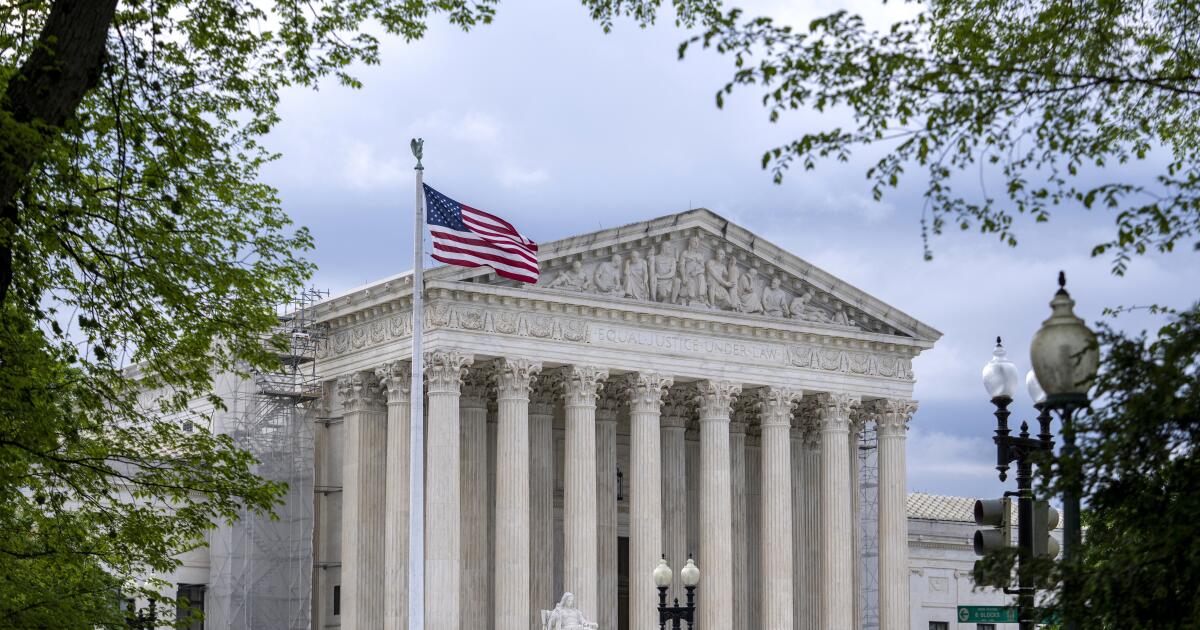
The Supreme Court made a significant ruling recently that affects how music and movie industries can handle online piracy. In a unanimous decision, the court declared that internet providers, like Cox Communications, aren’t typically responsible for copyright infringement even if they know users are illegally downloading content.
The case began when Sony attempted to hold Cox liable for not stopping its users from sharing copyrighted works. Sony’s lawyers pointed to numerous examples of infringement, arguing that Cox should have taken action. However, the court found this wasn’t enough to establish liability. Justice Clarence Thomas wrote that providing a public service doesn’t equal encouraging copyright infringement.
This decision differs from a previous ruling in the early 2000s when the court sided with the entertainment industry against companies like Grokster and Napster. Back then, the focus was on companies explicitly designed to facilitate illegal sharing. The new ruling emphasizes that simply offering internet services doesn’t mean a provider is responsible for what users do with that access.
Mitch Glazier, the chairman of the Recording Industry Association of America, expressed disappointment, stating that the decision could weaken protections for creators. He emphasized the need for policymakers to reconsider the implications of this ruling.
In contrast, advocates like the American Civil Liberties Union welcomed the decision, arguing it supports free speech by preventing internet providers from becoming enforcers for copyright holders.
Experts suggest that, moving forward, the music industry may need to explore new strategies. Rachel Landy, a copyright law professor, pointed out that targeting individual users for violations hasn’t worked well and might not be the best path ahead. Some believe Congress might need to intervene to create more balanced solutions for copyright protection.
Overall, this ruling is a pivotal moment in the ongoing battle between copyright protection and internet access. With the rise of AI and digital sharing, it raises questions about how traditional copyright laws will adapt to a rapidly changing landscape.
Source link
