
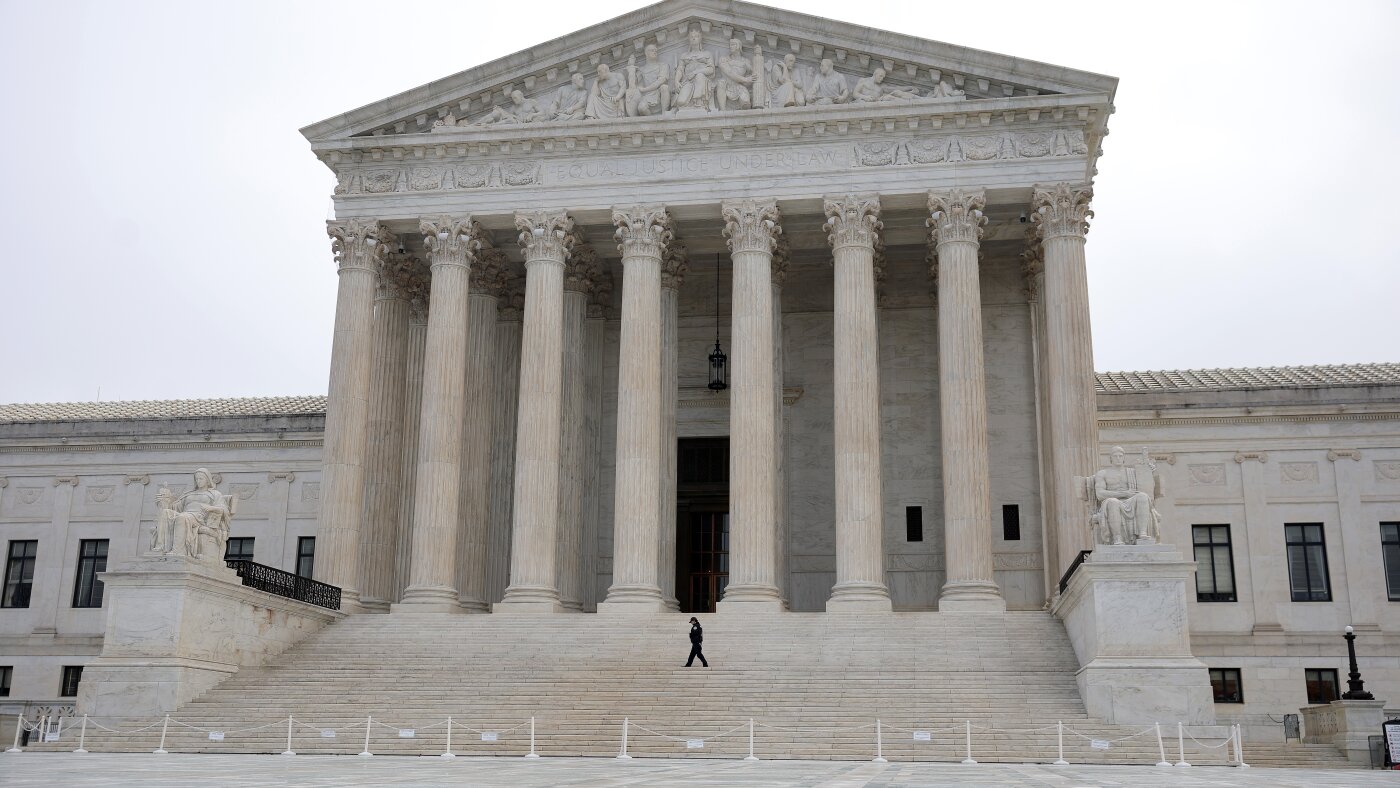
The U.S. Supreme Court recently made headlines by siding with a Christian counselor in Colorado, overturning a state law that banned conversion therapy. This ruling could potentially impact similar laws across roughly 25 states.
Conversion therapy aims to change a person’s sexual orientation or gender identity. Major medical organizations have condemned these practices, stating they are ineffective and can lead to severe mental health issues in minors. A 2021 study by the American Psychological Association found that youths subjected to such therapies experience higher rates of anxiety and depression.
The Supreme Court’s decision was a significant win for therapist Kaley Chiles, who asserted that her clients seek her help voluntarily. Chiles argued that the Colorado law infringed on her First Amendment rights by restricting her ability to engage in therapy that discusses sexual orientation.
The Court, with an 8-to-1 majority, agreed. Justice Neil Gorsuch, writing for the court, emphasized that the law improperly regulated Chiles’ speech, thus infringing on her right to free expression. After the ruling, Chiles expressed gratitude for the court’s protection of her speech and the accessibility of counseling for those seeking help.
Colorado had defended its law, claiming it aimed to protect minors from potentially harmful practices. Attorney General Philip Weiser argued that allowing states to ban such treatments is essential for safeguarding public health. Critics of the ruling, however, see it as hypocritical, especially when contrasting it with the court’s allowance for states like Tennessee to impose bans on transgender medical care.
Justice Ketanji Brown Jackson, the sole dissenting voice, contended that the ruling misinterprets existing legal precedents on state authority over medical treatment regulation. She argued that states must have the responsibility to protect public health, particularly regarding mental health care.
Many reactions surfaced on social media. Users expressed concerns about the implications of this ruling for LGBTQ+ youth and the potential revival of harmful practices. Activists noted a surge in calls for legislative protections at state levels as a response to the ruling.
Justice Elena Kagan, in a concurring opinion, hinted that states might still find ways to craft laws that could both protect minors and respect free speech. This might indicate room for legislative revision in the wake of this legal decision.
This Supreme Court ruling reflects a broader landscape of shifting attitudes towards LGBTQ+ rights and mental health care. As debates continue, the implications for minors in the U.S. remain a pressing concern. For more insights, check out this report from the American Psychological Association.
